Overview
The Northern Inuit Dog was developed in the 1980s to look like a wolf while being a trainable, sociable family companion. Several related breeds grew from it, including the Tamaskan, the Utonagan and the British Timber Dog.
These large, athletic dogs suit active households that can offer lots of exercise, company and firm, kind leadership.
History
The breed began in the United Kingdom in the 1980s with dogs imported from North America and crossed with Alaskan Malamutes, German Shepherds, Siberian Huskies and possibly Samoyeds. Records from that period were poor, so much ancestry is unknown.
The breeding project split into several related breeds. The Tamaskan arose when breeders added working husky crosses from Finland and founded their own register in 2006.
Appearance
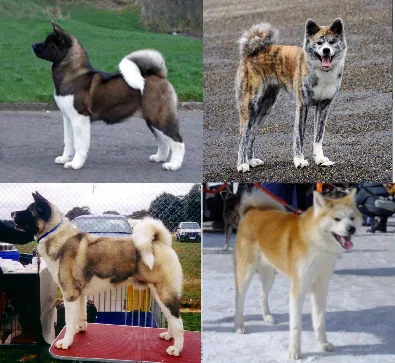
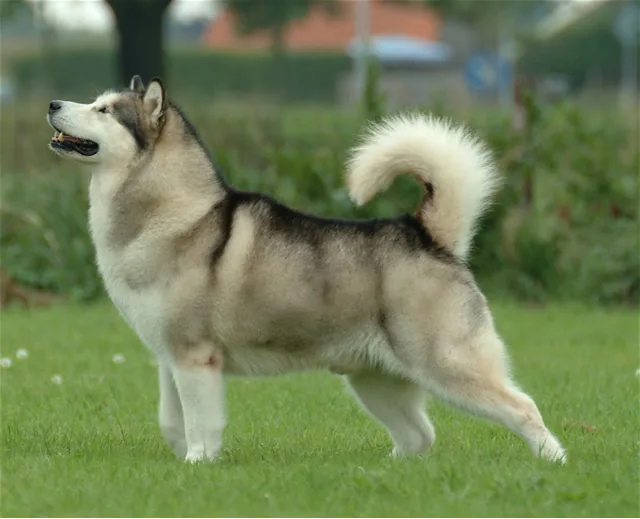
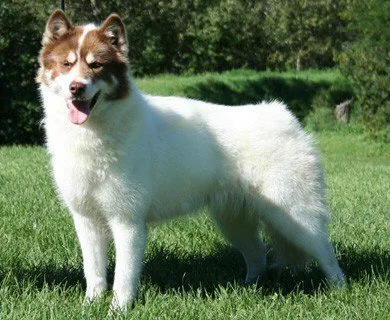
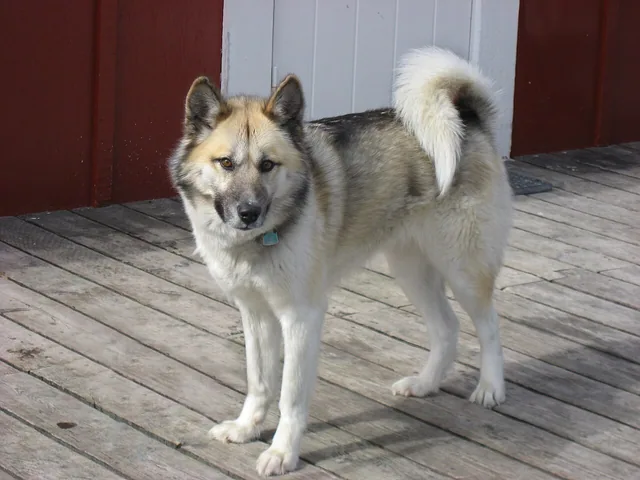
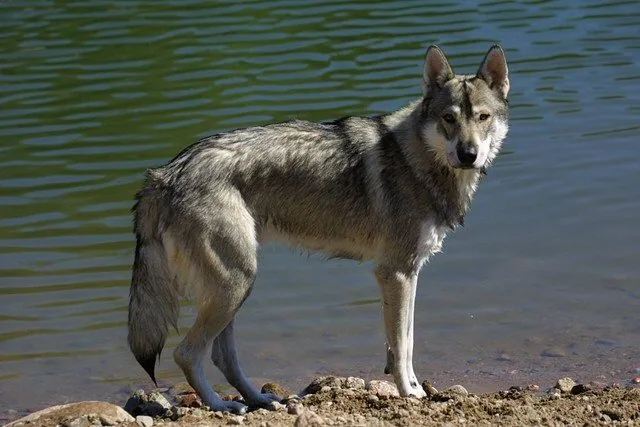
A large, athletic dog, around 60 to 70 cm tall and typically 25 to 40 kg, with a lupine look. It has a straight bushy tail and a thick double coat with banded guard hairs.
The usual colours are wolf grey, red grey and black grey. The almond-shaped eyes are yellow to brown; blue eyes are not accepted.
Temperament
These dogs are intelligent, sociable and affectionate, and they generally love company, both human and canine. They can be playful, vocal and strong-willed.
They do not like being left alone and may become destructive or howl if bored. Early socialisation and consistent training are important.
Care and exercise
They need plenty of daily exercise and mental work, ideally in a secure, high-fenced space, as many are escape artists and have a strong prey drive. Companionship matters as much as activity.
The thick double coat sheds heavily, especially seasonally, and needs regular brushing.
Health
Generally healthy. Some males have undescended testicles, epilepsy has been seen in a small number of dogs, and some are carriers of degenerative myelopathy. As in other large breeds, hip dysplasia is a risk, so health testing is advisable.