Overview
The Samoyed is a spitz-type dog with a thick white double coat and an upturned mouth that looks like a smile. It was bred to herd reindeer, hunt and pull sleds in the Arctic.
Today it is a friendly family companion. It is sociable and affectionate but also vocal, active and shedding heavily, so it suits owners who have time and energy.
History
The breed descends from reindeer-herding spitz dogs kept by the Nenets people of northern Siberia, once pejoratively called Samoyeds. Genetic work shows it as an ancient lineage that predates most modern breeds.
Dogs of this type went on early polar expeditions, including Nansen's Fram voyage and journeys to Antarctica. Ernest Kilburn-Scott brought one to England in 1889 and is seen as the founder of the breed in the West; the first standard appeared in 1909.
Appearance
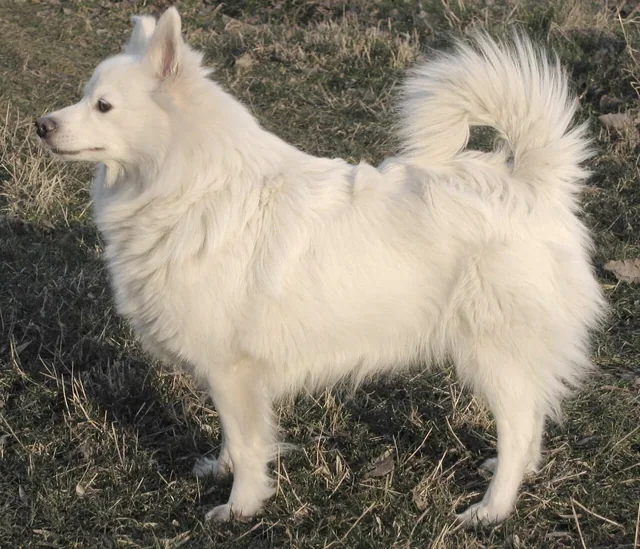
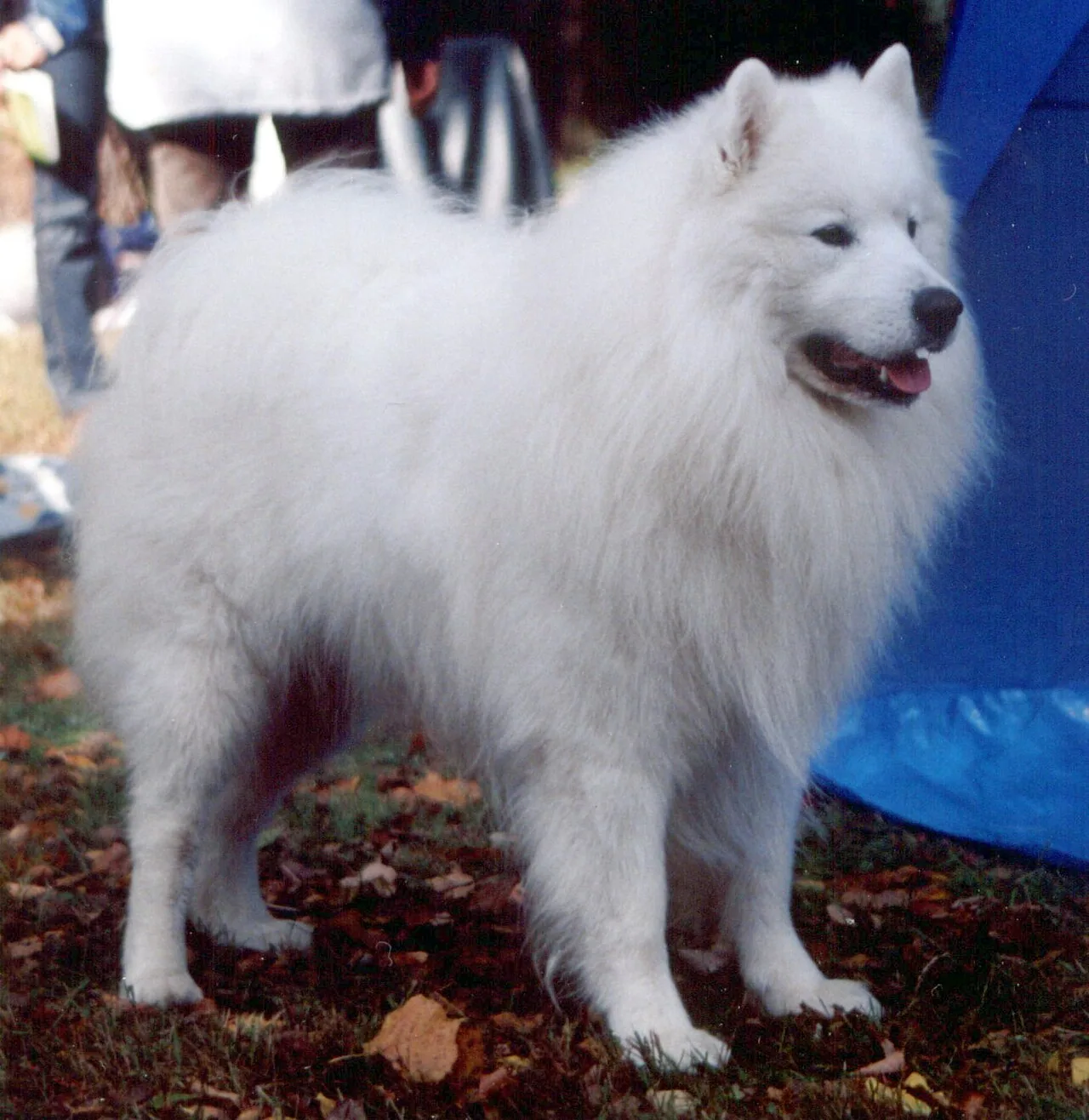
Samoyeds are sturdy, medium-sized dogs with a wedge-shaped head, dark almond eyes, thick erect triangular ears and a plume of a tail carried curled over the back. Males stand about 53 to 60 cm and females about 48 to 53 cm.
The dense double coat has a harsh, dirt-shedding topcoat and a soft undercoat. Males typically have larger ruffs than females.
Temperament
Samoyeds are gentle, outgoing and eager to be part of the family. They are generally good with children and other dogs, and their friendliness makes them poor guard dogs, though they will bark to announce visitors.
Bored Samoyeds may dig or become destructive, and they keep their playfulness well into old age.
Care and exercise
This breed needs daily exercise and enjoys cold weather, long walks and activities such as sledding, agility and herding. It does not like being left alone for long stretches.
Brush several times a week and daily during the heavy seasonal moult. The coat should never be shaved, and heat should be managed carefully in summer.
Health
Samoyed hereditary glomerulopathy, an inherited kidney disease linked to the X chromosome, is the best-known breed problem and is more severe in males. Hip dysplasia and eye conditions also occur.