Overview
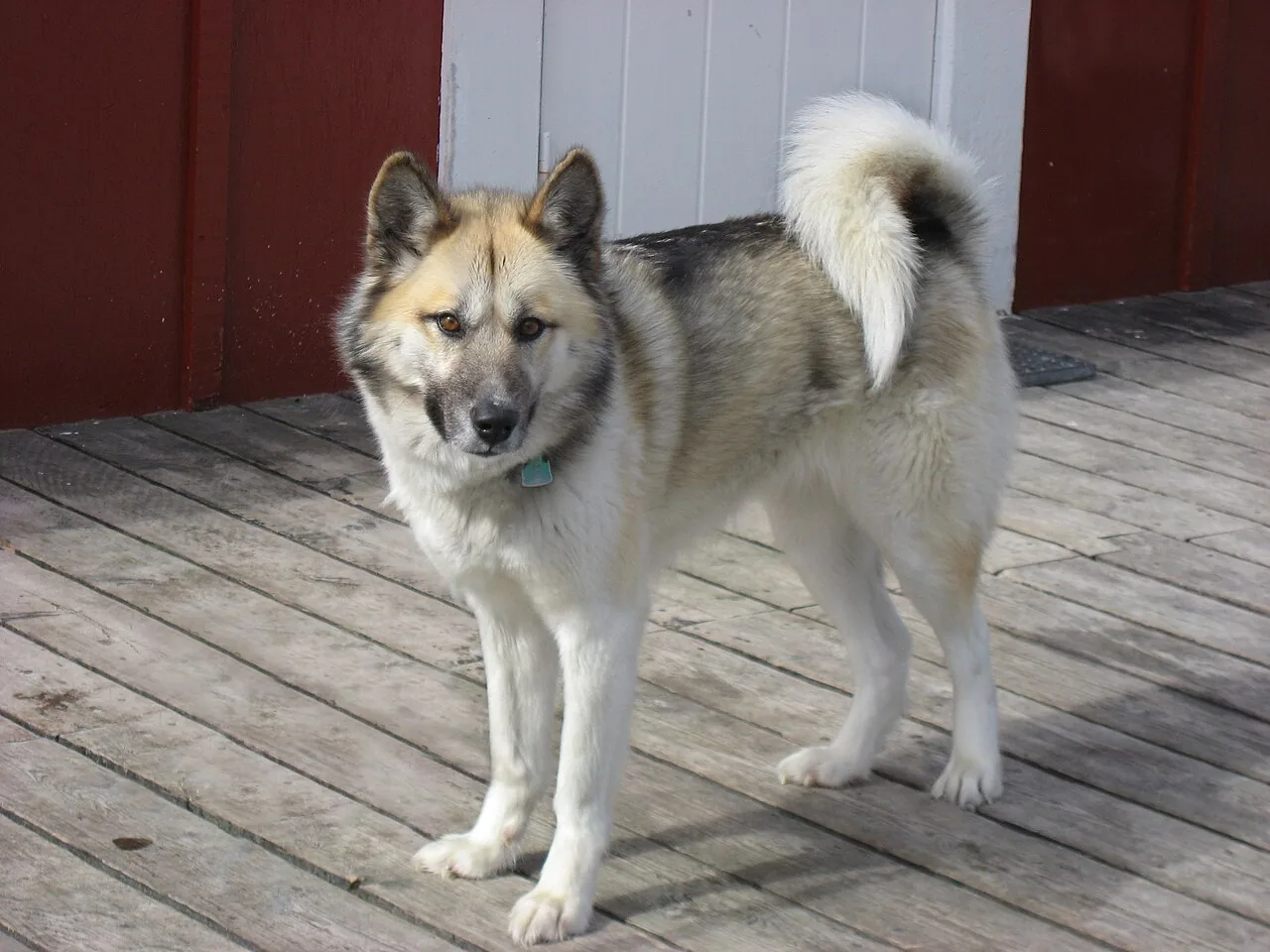
The Greenland Dog is a heavily built husky-type sled dog, made to pull loads over snow and ice in extreme cold. It is deeply tied to Inuit life and remains a working animal in Greenland.
It is not a casual pet. It needs space, work, strong leadership and a cold-tolerant lifestyle.
History
The breed descends from dogs brought from Siberia by the Thule people about a thousand years ago and is closely related to the Canadian Eskimo Dog. Genetic studies suggest it has been kept isolated for centuries and carries very old Arctic ancestry.
It pulled sledges for famous polar expeditions, including Amundsen's journey to the South Pole. Import of other dogs is restricted in much of Greenland to keep the breed pure, and numbers have been falling.
Appearance
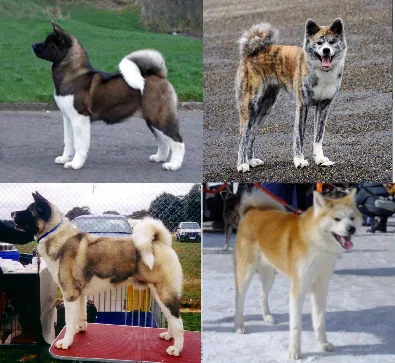
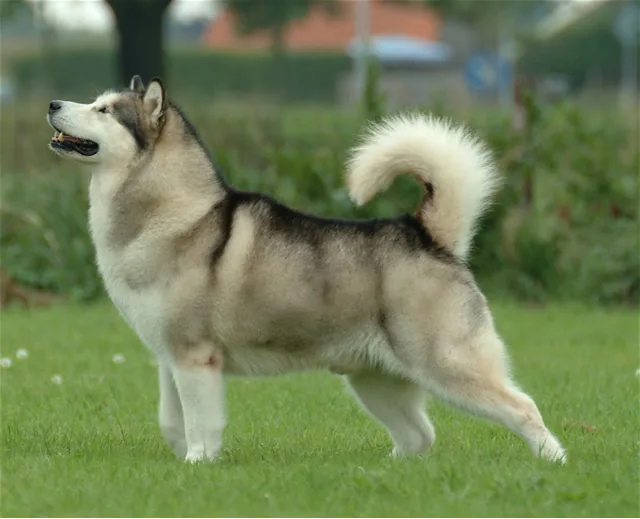
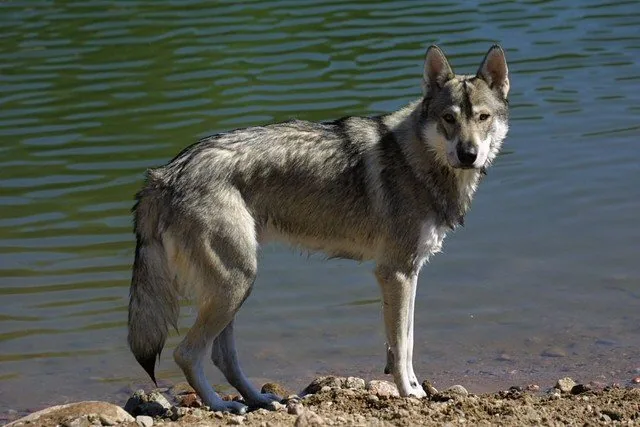
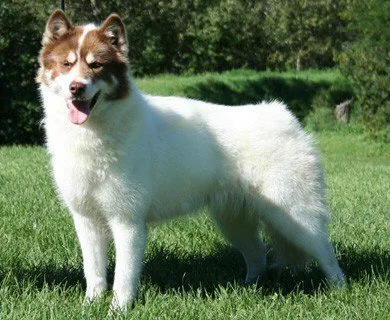
A broad, muscular dog with a wedge-shaped head, slightly slanted eyes and small, thick-furred triangular ears. The tail curls over the back. Males stand at least 60 cm and females at least 55 cm. Many have a triangular shoulder mark called the úlo.
Temperament
Tough, tireless and strongly pack-minded, the Greenland Dog works well in a team and can be strong-willed. It is usually friendly with people but can be hard to manage around small animals and unfamiliar dogs.
Care and exercise
Needs daily hard exercise and jobs such as pulling, plus secure fencing as it may roam or dig. It copes badly with heat. Brush well during heavy seasonal moults. Best suited to experienced owners in cool climates.
Health
A hardy, naturally selected breed with few specific health problems known. Joint health and overheating are worth watching in warm climates.