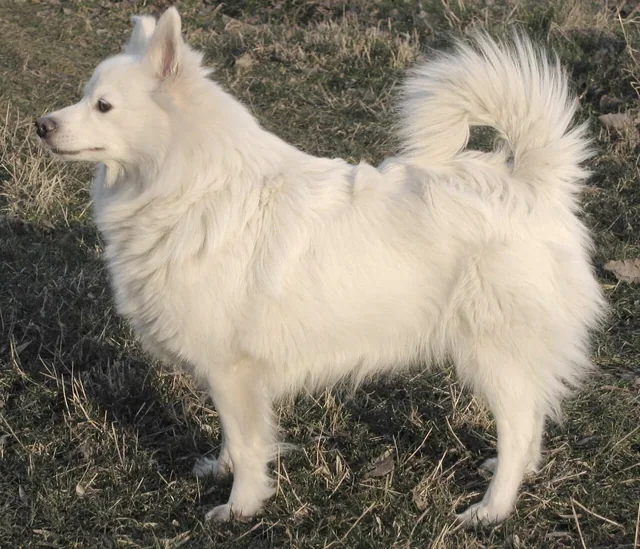
Overview
The Shiba Inu is a compact, agile spitz-type dog originally bred to flush small game in the mountains of Japan. It is alert, intelligent and cat-like in its cleanliness and self-reliance.
It rewards experienced owners who enjoy a confident, dignified dog with a mind of its own. It is not a breed for those wanting an eager-to-please, off-lead companion.
History
Dogs resembling the Shiba appear in figurines from the prehistoric Jōmon period. They hunted birds and rabbits in the mountains of the Chūbu region. After Western breeds arrived in the Meiji era, crossbreeding left almost no pure Shiba by the 1920s.
Preservation efforts began around 1928, and a standard was published in 1934; the breed was declared a Natural Monument in 1936. War, distemper and the Tottori fire nearly finished it, and modern dogs descend from three surviving strains: Shinshu, Mino and San'in. The first reached the United States in 1954.
Appearance
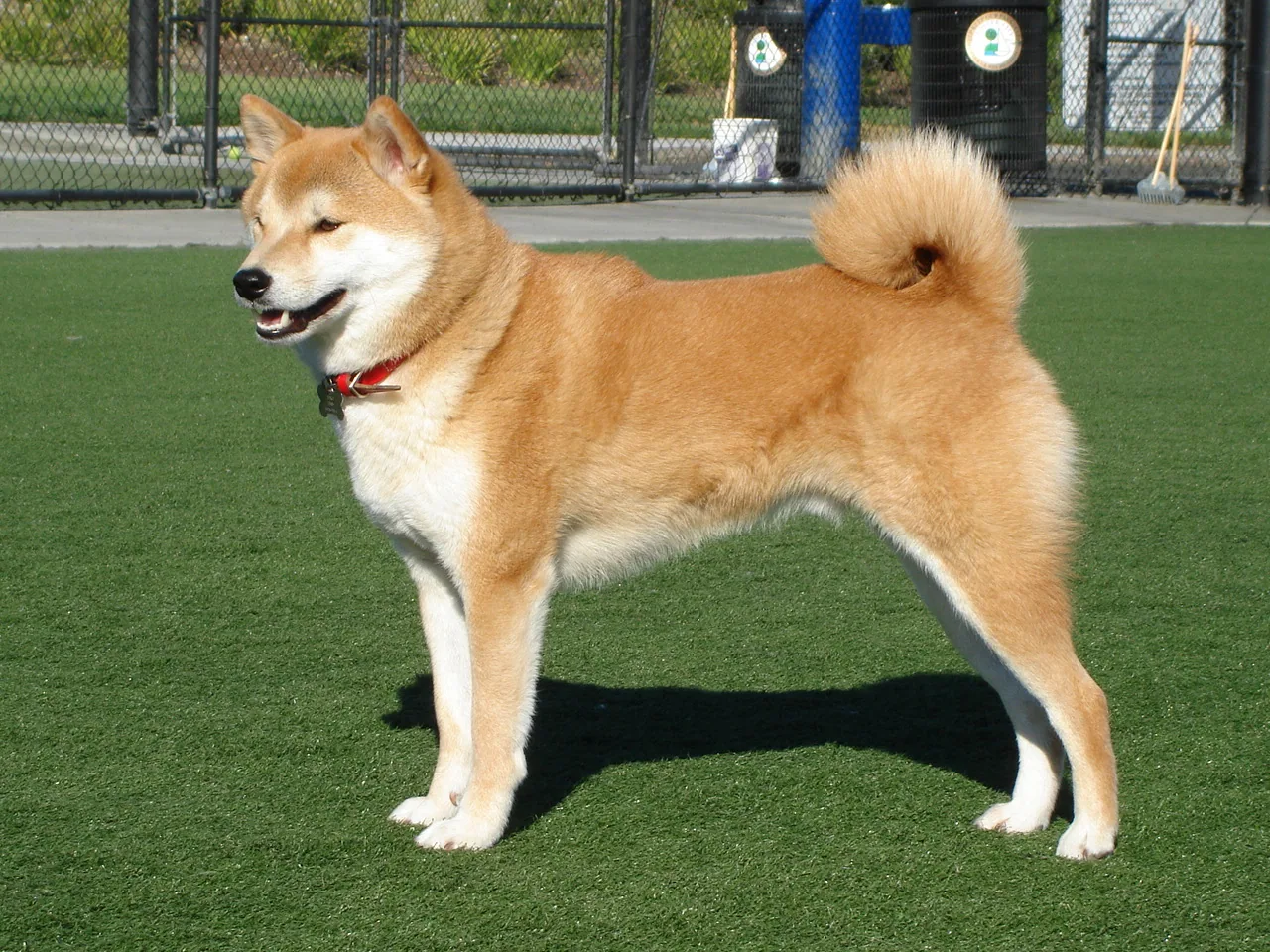
A small, well-balanced, muscular dog with a fox-like face, erect triangular ears, a curled tail carried over the back and a sturdy, agile build. It has a stiff outer coat and a soft, dense undercoat.
Colours are red, sesame and black and tan, always with cream to white urajiro markings on the muzzle, cheeks, chest, belly and underside of the tail. Long-haired individuals occasionally occur.
Temperament
Shibas are alert, affectionate with their family and highly independent. They are intelligent but stubborn and strong-willed, and can be aloof with strangers and wary with other dogs.
When frustrated they may give the famous Shiba scream. Early socialisation is essential, and they are usually clean, quiet in the house and not big barkers.
Care and exercise
They need daily walks and mental stimulation; without it they can become anxious and destructive. A secure fence and a leash are important because many have strong prey drive and will not reliably recall.
Brush regularly, and especially during the heavy seasonal moults. Training should be patient, consistent and reward-based.
Health
Patellar luxation, glaucoma and atopic dermatitis are known concerns. Vogt-Koyanagi-Harada-like syndrome and GM1 gangliosidosis have been reported. The breed is generally long-lived.