Overview
The Canadian Eskimo Dog is a heavily built working spitz that has hauled sleds and helped hunt seals and polar bears across the Arctic for centuries. The Inuit know it as qimmiq.
It is a tough, independent dog that is best suited to experienced owners and cold climates, and the breed is threatened with extinction.
History
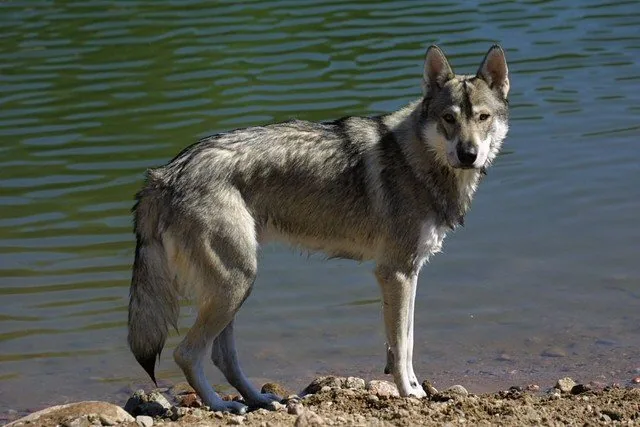
The breed descends from dogs that travelled with the Thule people, who reached the Canadian Arctic around AD 1000. Genetic studies show the dogs are distinct from Siberian Huskies and Malamutes and have no recent wolf ancestry. The Greenland Dog is considered genetically the same breed.
About 20,000 dogs lived in the Canadian Arctic in the 1920s, but snowmobiles, disease and the killing of dogs between 1950 and 1970 caused a steep decline. Recovery programmes began in the 1970s, and Nunavut adopted the dog as its animal symbol in 2000.
Appearance
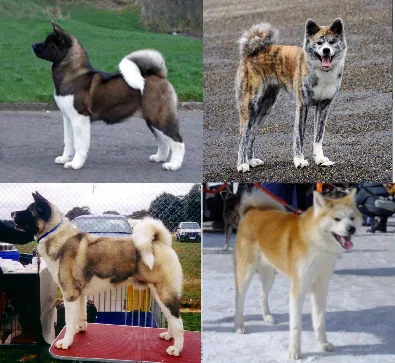
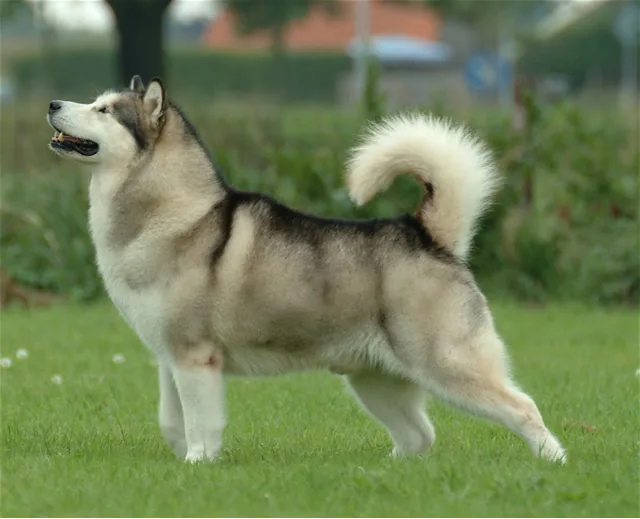
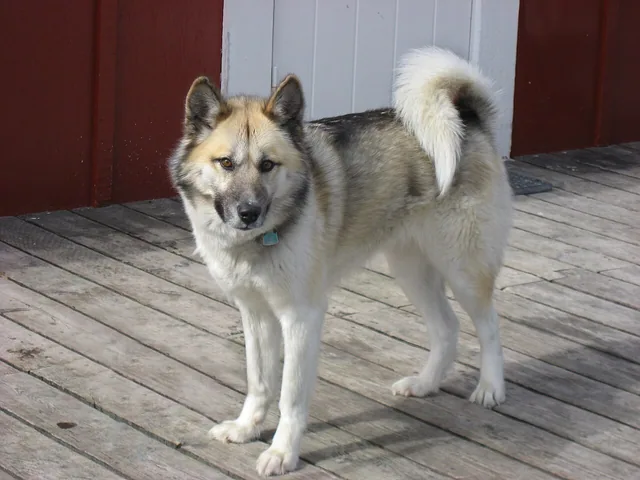
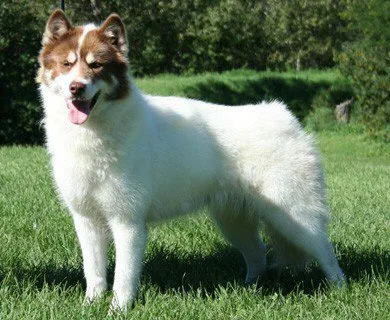
A powerful, imposing dog built for hard work rather than speed. It has erect triangular ears and a heavily feathered tail carried over the back, as is typical of spitz breeds.
Males are clearly more masculine than the finer-boned females. The coat is very thick and dense, helping it withstand extreme Arctic cold.
Temperament
This is a hardy, loyal and strong-willed working dog with a pack mentality and a strong drive to pull and hunt. It is independent and needs a confident, experienced handler.
It is friendly with its own people but not an easy city pet, and its strong prey drive means small animals are not safe around it.
Care and exercise
It needs a great deal of vigorous daily exercise, ideally pulling work, and secure fencing. It is happiest in cold climates and can struggle in heat.
The dense double coat needs regular brushing, with heavy seasonal shedding.
Health
Generally a hardy, robust breed thanks to its working origins. The small remaining population means careful breeding is important to keep genetic diversity.