Overview
The Akita Inu is a large, dignified spitz from the mountains of northern Japan. It has a thick double coat, a curled tail and a calm, watchful bearing.
It is devoted to its family but reserved with strangers and often assertive with other dogs. This is a breed for experienced owners who value a quiet, loyal companion.
History
The Akita descends from the Matagi dogs used by hunters in the Tohoku region and from dogs kept by samurai and farmers around Odate. It was declared a Japanese natural monument in 1931, and a standard followed in 1934.
The war years nearly wiped the breed out, but dedicated breeders restored it. Hachiko, who waited at Shibuya station for nine years for his deceased owner, made the breed world-famous. Helen Keller brought the first Akitas to the United States. American and Japanese types later diverged and are now considered separate breeds by the FCI.
Appearance
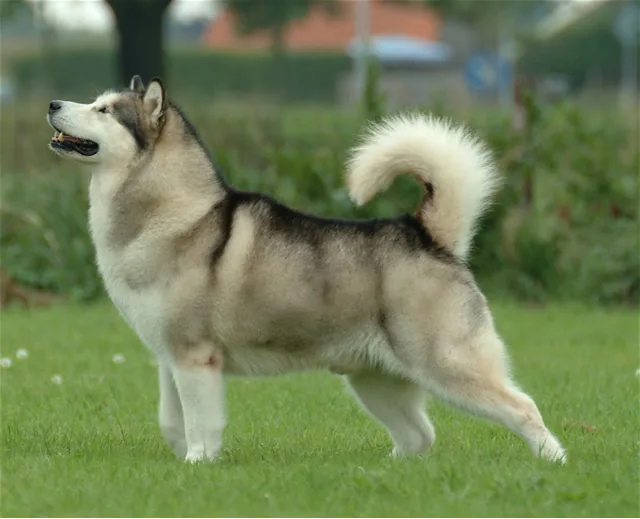
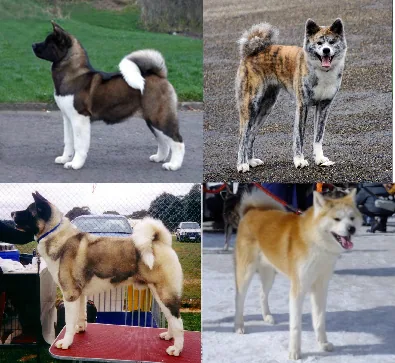
The Akita is large and well built, with a broad head, small erect triangular ears, dark eyes and a tail curled over the back. The double coat is short, dense and weather-resistant.
The Japanese type is somewhat lighter and foxier in look, with a more limited colour range than the American type.
Temperament
Akitas are calm, dignified and deeply loyal, often attaching strongly to one family. They are watchful and protective, and generally quiet rather than noisy.
They can be dominant and intolerant of other dogs, especially of the same sex. Early socialisation, firm and fair training and careful supervision with children are important.
Care and exercise
Akitas need a moderate amount of daily exercise, such as brisk walks and secure outdoor time. They should be kept on lead or in a fenced garden because of their strong prey and guarding drive.
The thick coat sheds heavily twice a year and needs frequent brushing then. They dislike heat, so provide shade and cool water in summer.
Health
Generally hardy, but Akitas can suffer from hip dysplasia, autoimmune conditions such as sebaceous adenitis, thyroid problems, eye disease and bloat. Responsible breeders screen for hips and eyes.