Overview
The Greek Shepherd is a large livestock guardian dog from Greece, found throughout the country and especially in the north. It is a working dog of ancient type, closely related to other Balkan guardian breeds.
It is famed for its protective drive and independent judgement, and is much more at home with a flock than in a city flat.
History
Livestock guardian dogs are among the oldest distinct dog types, and similar dogs were described in Epirus by ancient writers. The breed is also known as the Greek Sheepdog or Hellenic Shepherd Dog.
Shepherds in the Balkans move their flocks between winter lowlands and summer mountain pastures, taking their dogs with them. Some experts note that the same dogs may be registered as Greek Shepherds in one country and Sarplaninacs in another, so national breed names may mark borders more than real differences.
Appearance
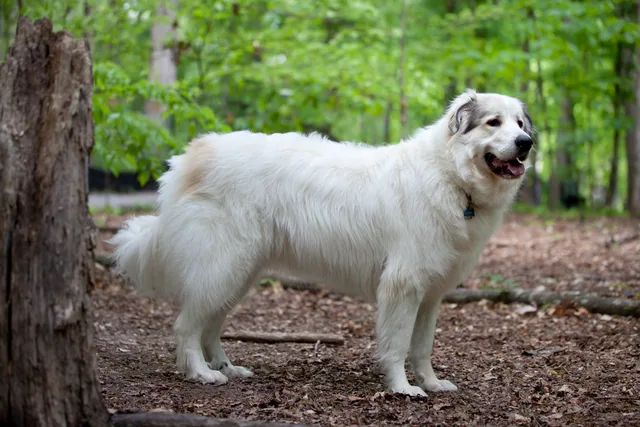
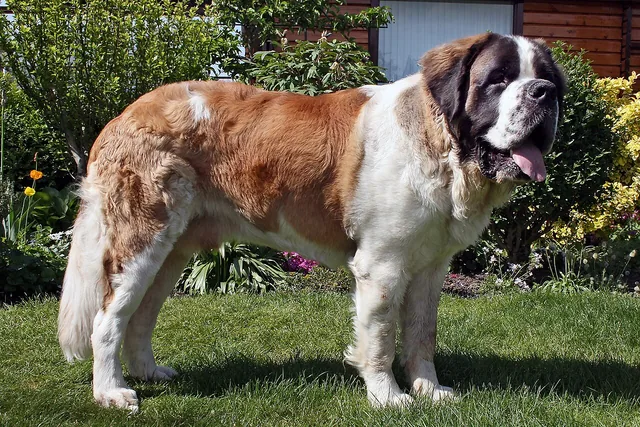
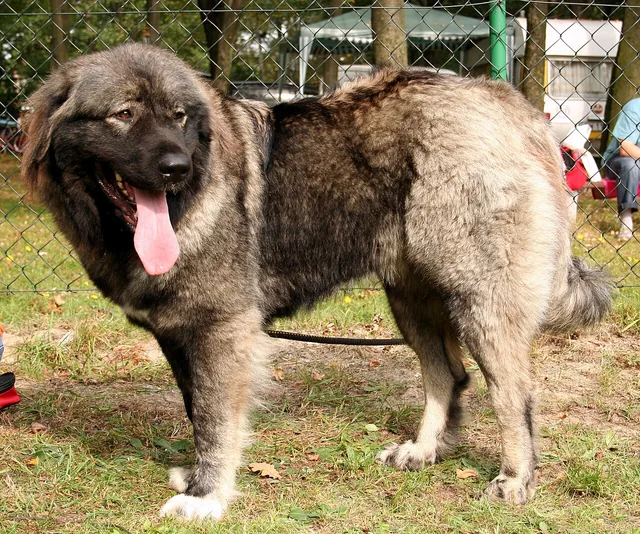
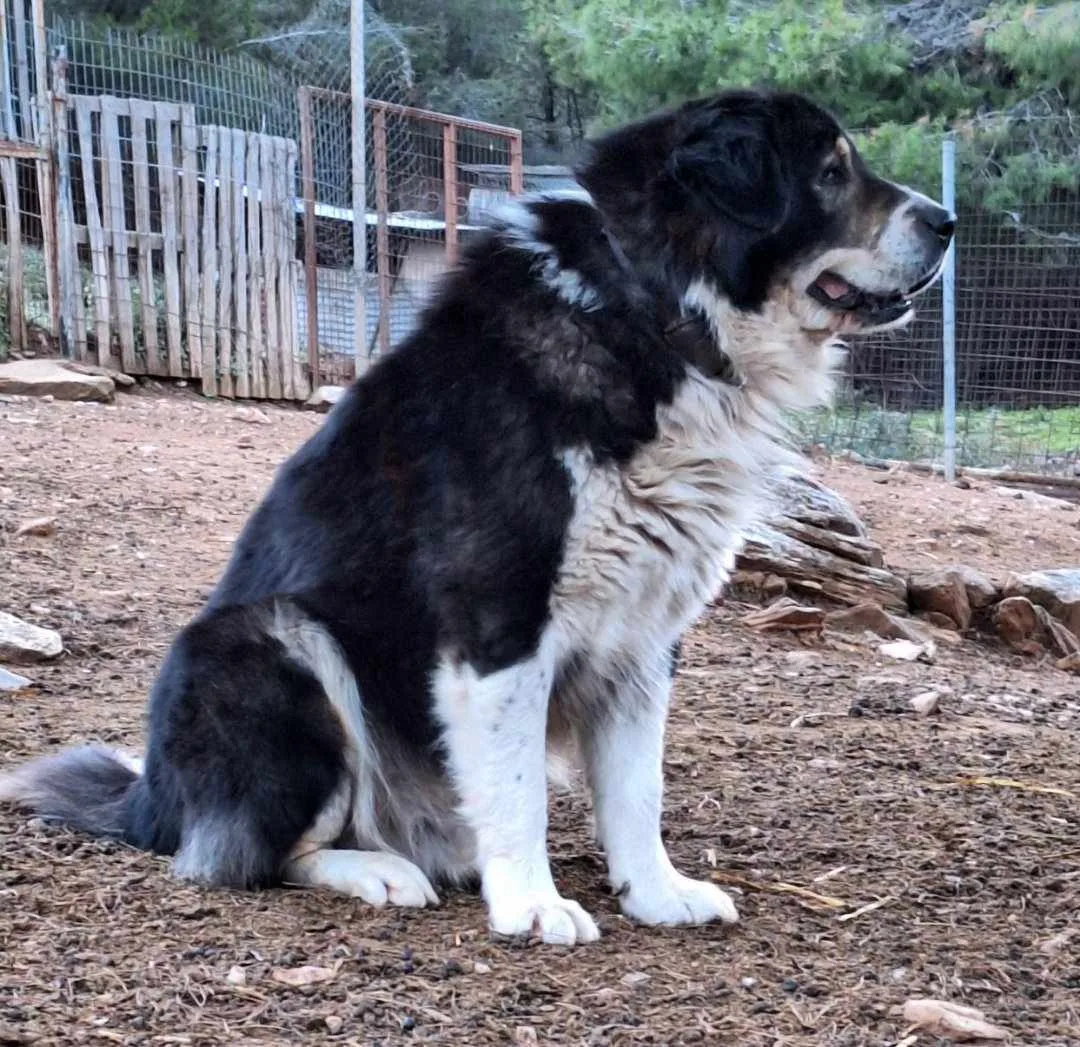
A powerful, large dog resembling the Maremmano-Abruzzese, Kuvasz and Tatra Shepherd. Males stand over 66 cm and may reach 81 cm; females over 60 cm and up to 78 cm. Males weigh about 40 to 84 kg and females 32 to 70 kg.
The dense, weatherproof double coat has never been bred for colour: white, black, brown, light brown and mixtures, often spotted. Traditionally some shepherds cropped one ear, giving a lopsided look.
Temperament
Renowned for fierceness when guarding, the Greek Shepherd may treat a whole district as its territory and can mistake walkers for intruders. It is independent, serious and wary of strangers.
It bonds strongly with its own flock and family, but needs early socialisation, firm and fair handling, and an experienced owner.
Care and exercise
This is a working guardian that needs space, secure fencing and a role. It is not suited to apartment life. Daily activity and patrolling land suit it best, along with early, careful socialisation.
The thick coat needs regular brushing, especially during heavy seasonal shedding.