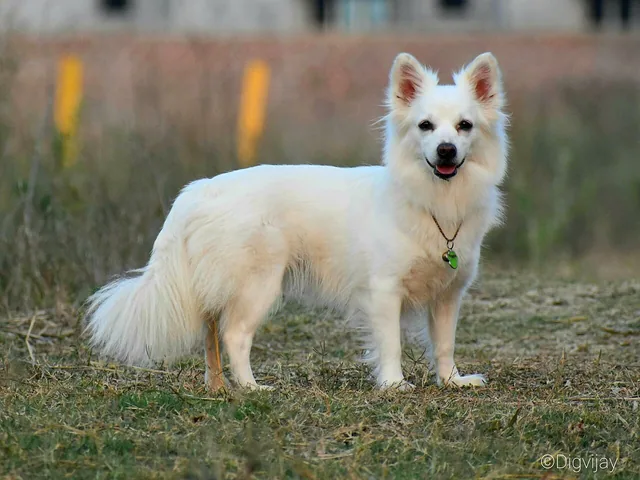
American Eskimo Dog
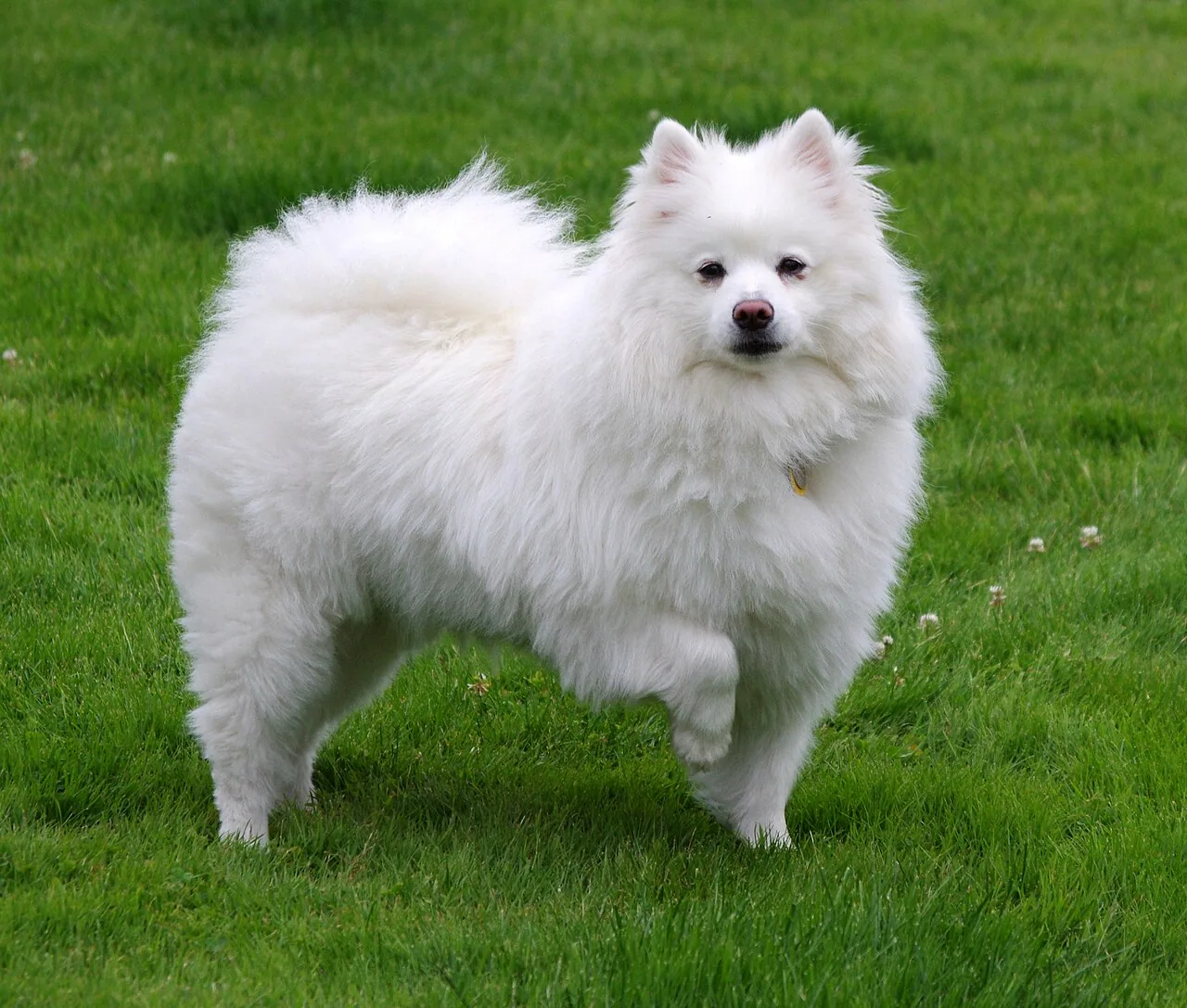
Photo: Christmas w/a K, CC BY-SA 2.0, via Wikimedia Commons

American Eskimo Dog

Also known as Eskie, American Spitz

Spitz & Primitive Small United States

The American Eskimo Dog is a fluffy white Spitz companion that comes in toy, miniature and standard sizes. Despite its name it descends from German Spitz and once starred in American circuses.

Height
22–50 cm
Weight
2.3–18 kg
Life expectancy
13–15 years
Origin
United States
Coat
Thick double coat with a ruff
FCI
Group 5 (closest)
  • Intelligent
  • Alert
  • Friendly
  • Playful
  • Eager To Please

At a glance

Overview

The American Eskimo Dog is a companion Spitz with a thick white double coat and a plumed tail curled over its back. It comes in three sizes: toy, miniature and standard.

Its ancestors were German Spitz, and it was renamed during the anti-German feeling of the First World War. It has long been a watchful family dog and a showy performer.

History

Small Spitz dogs of northern Europe developed into the German Spitz breeds, and immigrants brought them to the United States in the early 1900s. They were related to the Keeshond, white Pomeranian and Volpino Italiano.

Around the First World War, owners began calling them American Spitz, and the dogs became circus favourites, with some famous tightrope walkers. The United Kennel Club recognised the breed in 1919, and the American Kennel Club followed in 1995.

Appearance

Toy dogs stand about 22 to 30 cm, miniatures 30 to 40 cm and standards 38 to 50 cm, weighing from roughly 2 kg up to about 18 kg. The coat is thick and straight with a ruff around the neck and shoulders, and the heavily furred tail curls over the back. Most are white; biscuit markings are also accepted.

Temperament

Bright, alert and eager to please, the American Eskimo Dog is a lively companion and a good watchdog. It is quick to learn tricks and enjoys being involved in family life.

It can be reserved with strangers and tends to bark to announce visitors.

Care and exercise

It needs daily walks, play and mental stimulation, and it thrives with training games and tricks. Its double coat needs regular brushing, with heavier work during seasonal shedding.

Do not shave the coat, and keep it company, as it dislikes long periods alone.
More spitz & primitive breeds

Basenji

Basenji

Spitz & Primitive

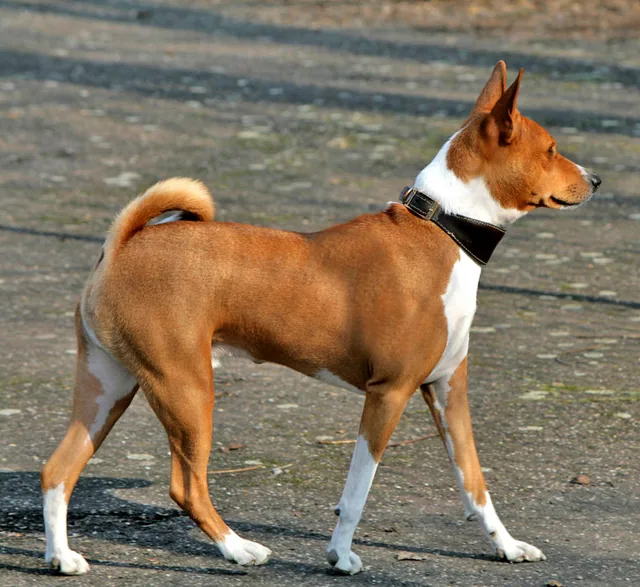
A small, elegant African hunting dog known as the barkless dog because it yodels and chortles instead of barking. Cat-like, clean and independent, it is a clever but strong-willed companion.

Small Democratic Republic of the Congo 12–14 years
Alaskan Klee Kai

Alaskan Klee Kai

Spitz & Primitive

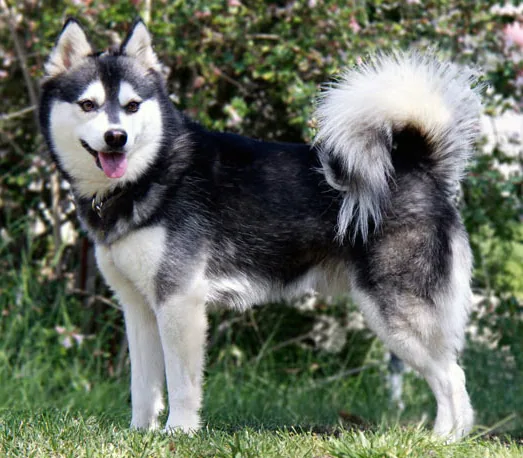
A companion-sized spitz that looks like a miniature Siberian Husky. Bred in three sizes, the Alaskan Klee Kai is clever, agile and busy, and tends to be reserved with strangers.

Small United States 12–16 years
New Guinea Singing Dog

New Guinea Singing Dog

Spitz & Primitive

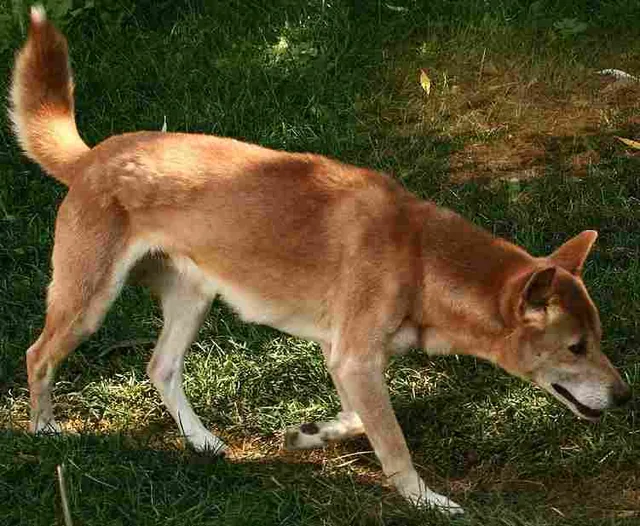
The New Guinea singing dog is an ancient primitive dog of the New Guinea Highlands, closely related to the dingo. It is famous for a melodic, yodel-like howl and for extraordinary agility.

Small Papua New Guinea 15–20 years
Schipperke

Schipperke

Spitz & Primitive

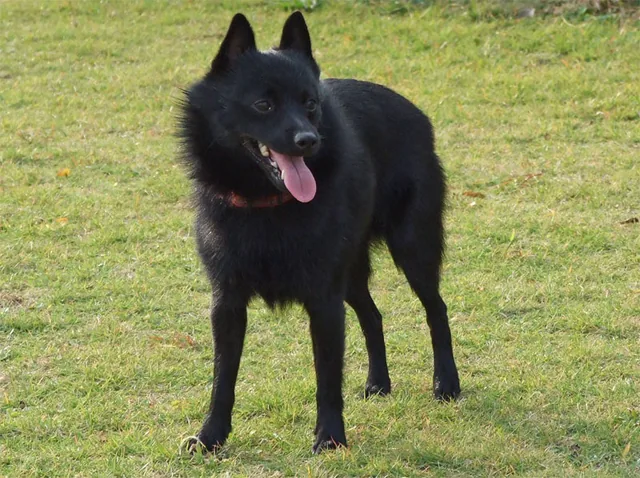
A small, black, fox-faced Belgian spitz with a thick ruff and a big personality. The Schipperke is a watchful, curious little guardian that was once a shepherd's and tradesman's helper in Flanders.

Small Belgium 13–15 years
Japanese Spitz

Japanese Spitz

Spitz & Primitive

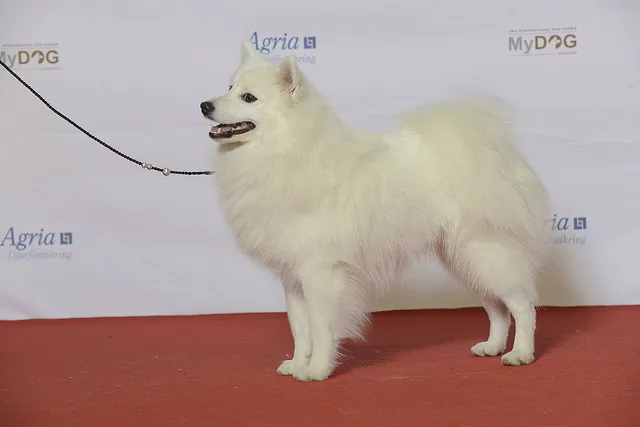
A cloud-like, pure white companion spitz from Japan, with a coat that stays clean almost by itself. Cheerful, devoted and a lively little watchdog, it thrives on being part of family life.

Small Japan 12–14 years
Indian Spitz

Indian Spitz

Spitz & Primitive

A fluffy, fox-faced white spitz that came to India with the British and became one of the country's best-loved family dogs, comfortable in both flats and houses.

Small India 12–14 years