Overview
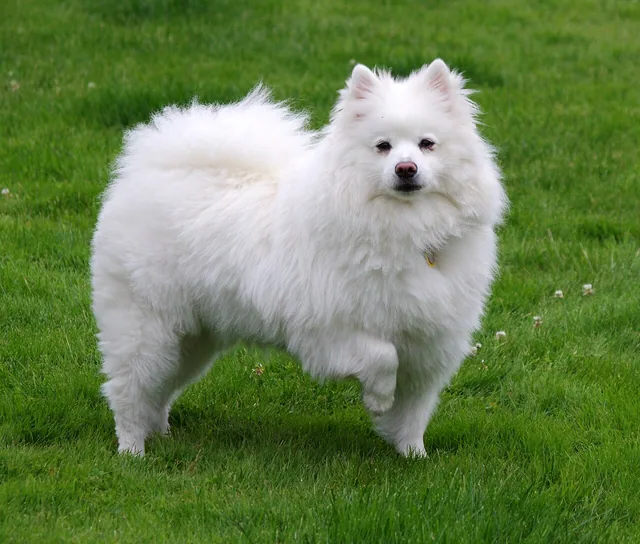
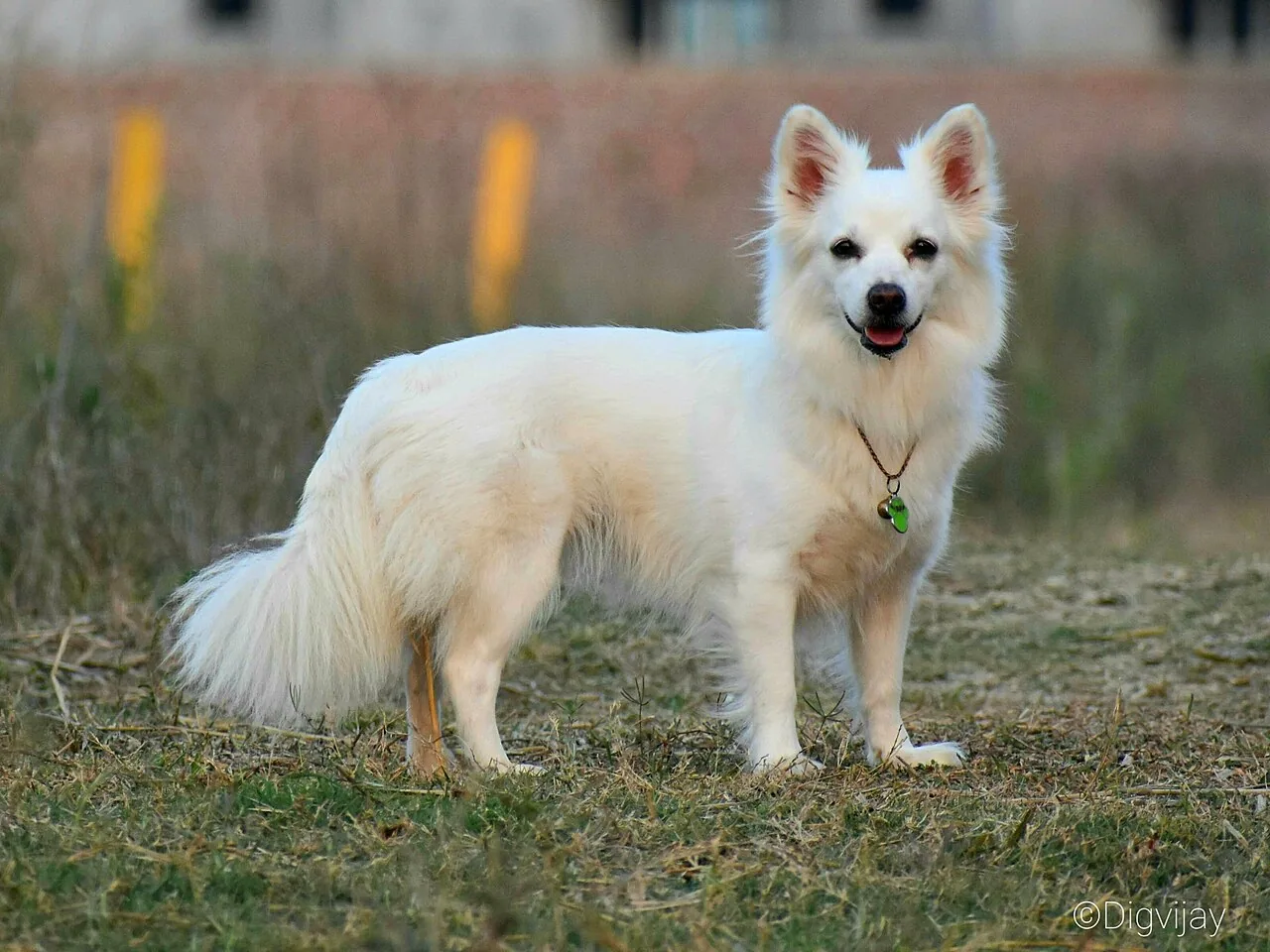
The Indian Spitz is a small to medium spitz with a fluffy white double coat, pointed ears and a tail curled over its back. It is often mistaken for a Pomeranian, but it is larger and has a longer muzzle and a less dense coat.
It is one of the easiest dogs to live with: adaptable, quick to learn and friendly with the household, which explains its long-standing popularity in Indian homes.
History
Spitz dogs were brought to India by the British in the nineteenth century, probably descending from the German Spitz. Over the years they were bred into a dog that tolerates the heat of Indian summers while keeping the intelligence of its European ancestors.
The breed became hugely popular in the 1980s and 1990s, when strict import rules made foreign breeds hard to obtain and families turned to local dogs.
Appearance
Indian Spitzes come in two sizes. The Lesser type weighs roughly 5 to 7 kg and stands 22 to 25 cm, while the Greater type weighs about 12 to 20 kg and stands 35 to 45 cm. Many are around 33 cm.
The coat is usually milky white, sometimes brown or, rarely, black and white. The ears are pointed and fox-like, the muzzle is tapered, and the fluffy tail curls over the back.
Temperament
This is a lively, affectionate and alert dog that bonds closely with its family. It is bright, easily housebroken and keen to learn, which makes it a good choice for first-time owners.
It is a natural watchdog and can be vocal when it senses something unusual, so teaching a quiet cue is useful.
Care and exercise
Moderate daily exercise, such as walks and play, is enough. The breed copes well in apartments as long as it gets regular outings and company.
The double coat needs regular brushing with a tool that reaches the undercoat, and heavy shedding is normal when the seasons change. Bathe only once or twice a month and avoid shaving, which can lead to patchy regrowth.
Health
Corneal ulcers are a known risk in the breed, so any squinting, watering or cloudiness of the eye should be checked by a vet promptly.