Overview
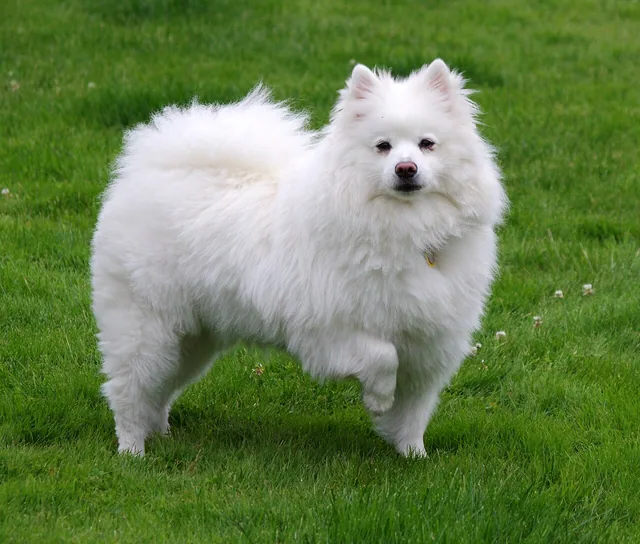
The Japanese Spitz is a small to medium spitz with a thick, pure white coat, a plumed tail curled over the back and a foxy, wedge-shaped face. It was created in Japan as a companion and is now recognised by most major kennel clubs.
It is bright, affectionate and attached to its people, and it makes a good watchdog without being aggressive. Despite the fluffy look, the coat is surprisingly easy to keep tidy.
History
Japanese breeders built the breed in the 1920s and 1930s by crossing several small white spitz types. The foundation was white German Spitz dogs that had reached Japan from northeastern China and were shown in Tokyo in 1921. More small white spitz were imported and added between 1925 and 1936.
The standard was finalised after World War II and the breed grew very popular in Japan in the 1950s. It reached Sweden and then England, where the Kennel Club recognised it in 1977, and it later spread to Australia, India and North America.
Appearance
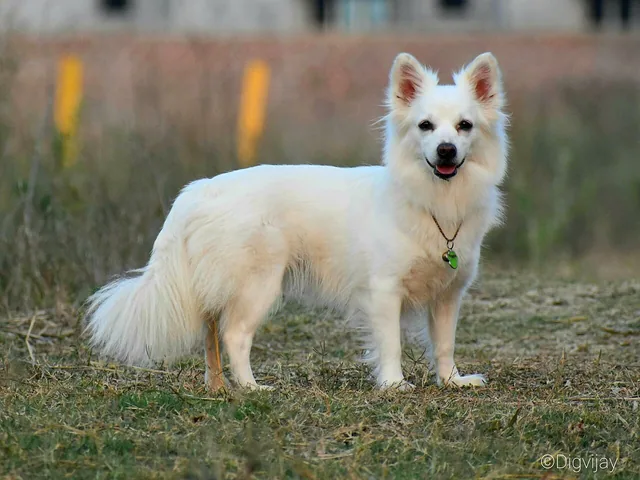
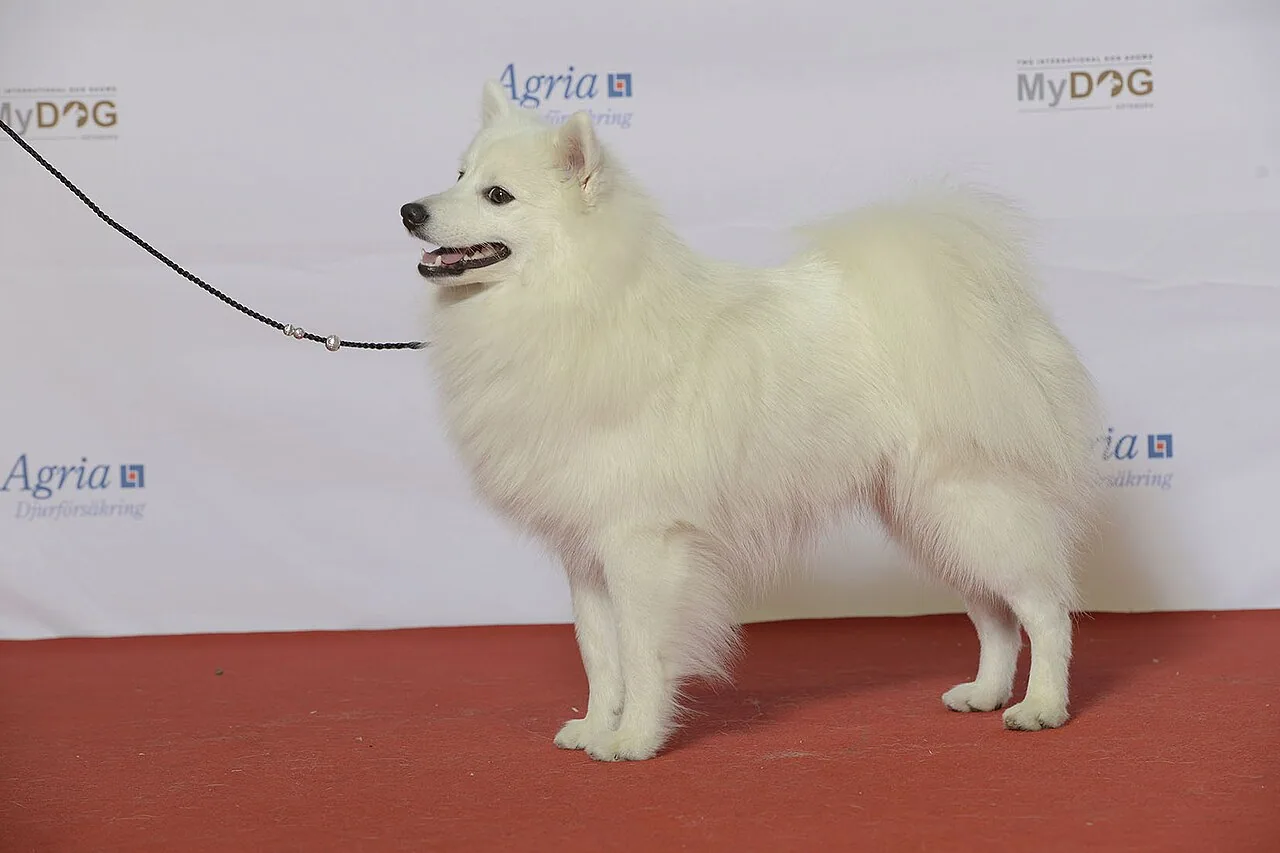
A small, slightly square dog with a deep chest, pointed muzzle and small, triangular prick ears. The dark, almond-shaped eyes, black nose, lips and eye rims stand out sharply against the white coat.
The ruff around the neck and the heavily furred tail give it a showy outline. Standards differ by country, but adults generally stand about 30 to 38 cm at the shoulder, with females a little smaller.
Temperament
Active, loyal and intelligent, the Japanese Spitz is a true companion that wants to be with its family and dislikes being left out. It is playful, alert and usually excellent with children.
It tends to bark to announce visitors, so early training helps keep the voice under control.
Care and exercise
This breed can live happily in an apartment as long as it gets daily walks and some safe off-leash running. It tolerates cold well but prefers living indoors with its family.
Brush about twice a week with a pin brush that reaches the undercoat to prevent knots. Dirt tends to fall off the dry coat, so baths are rarely needed.
Health
Generally a healthy breed. Patellar luxation, where the kneecap slips out of place, is the main concern. Runny eyes are common and usually harmless. Late-onset progressive retinal atrophy (PRA-rcd4) has also been found, so health testing of breeding stock is worthwhile.