Overview
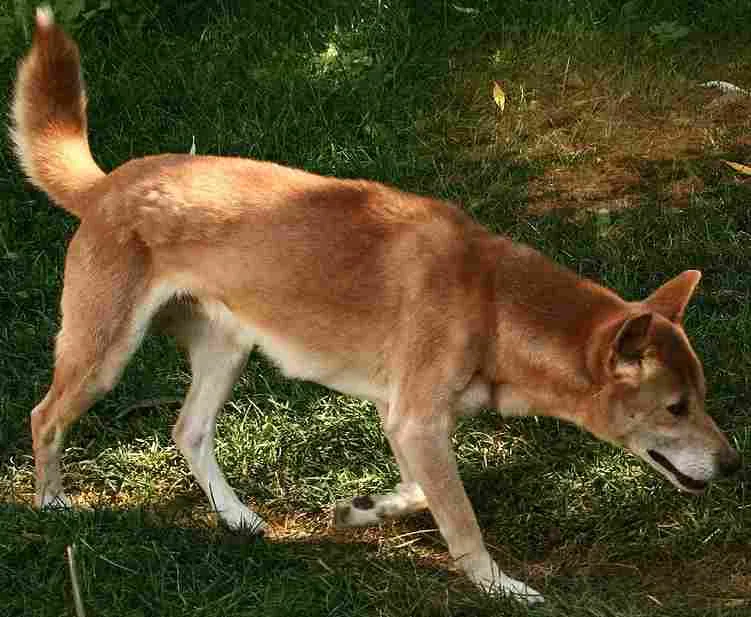
The New Guinea singing dog is a small, fox-like primitive dog of the island's highlands. It is closely related to the Australian dingo and sits near the base of the dog family tree.
It is best known for its eerie, harmonious howl, and it is one of the rarest dogs in the world, kept mostly by dedicated enthusiasts and conservation programmes.
History
Genetic studies show that these dogs, like the dingo, arose in southern East Asia and spread through Island Southeast Asia thousands of years ago. They lived alongside highland peoples and in the wild highlands.
They were first described as a separate species, Canis hallstromi, in 1957 from two animals sent to Sydney's Taronga Zoo. Today they are considered a lineage of domestic dog, and their exact status is still debated.
Appearance
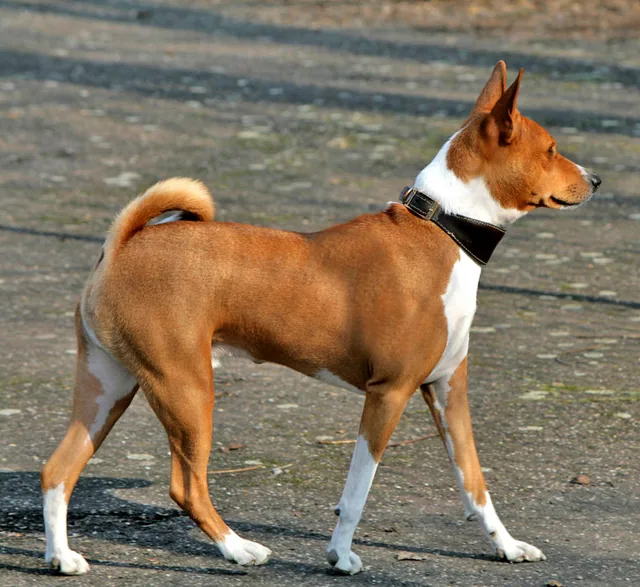
A compact, fox-like dog with a wedge-shaped head, erect, rounded ears and a bushy tail. The body is lean and very flexible, with unusually mobile joints that let it climb and squeeze through tight spaces.
The coat is short and dense, usually in shades of tan or red, with white markings on the chest, feet and tail tip.
Temperament
Independent, watchful and often shy, these dogs form strong bonds with a few people. They are intelligent and curious but not naturally eager to please, and have a strong prey drive and escape instinct.
They are very vocal, using a signature yodelling howl rather than ordinary barking.
Care and exercise
They need secure, high fencing and a lot of activity and enrichment. They are not suited to casual owners, since training takes patience and they may roam or hunt small animals.
Grooming is simple, as the coat is short, with a seasonal moult.
Health
Generally hardy and long-lived. Because the captive population came from a very small number of founders, inbreeding is a concern and careful management of pedigrees is needed.