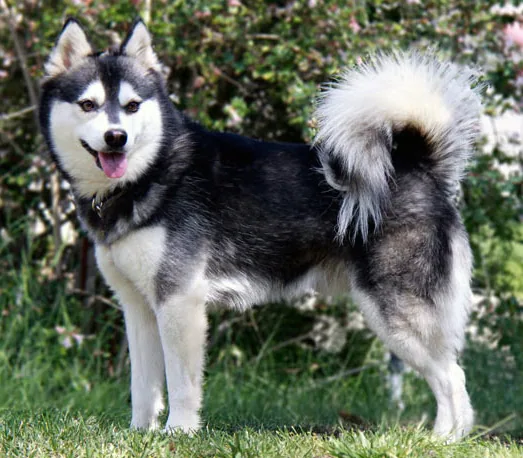
Alaskan Klee Kai
Photo: Hyrel at English Wikipedia, CC BY-SA 3.0, via Wikimedia Commons

Alaskan Klee Kai

Also known as Klee Kai, Mini Husky, Miniature Alaskan Husky

Spitz & Primitive Small United States

A companion-sized spitz that looks like a miniature Siberian Husky. Bred in three sizes, the Alaskan Klee Kai is clever, agile and busy, and tends to be reserved with strangers.

Height
33–44 cm
Weight
2.3–10 kg
Life expectancy
12–16 years
Origin
United States
Coat
Double coat of medium length, thick and dense
FCI
Group 5 (closest)
  • Curious
  • Intelligent
  • Alert
  • Energetic
  • Aloof

At a glance

Overview

The Alaskan Klee Kai is a young American spitz breed made to give the look of a Husky or Malamute in a much smaller package. It comes in toy, miniature and standard sizes, all of them sturdy, agile dogs.

The name comes from Athabaskan words meaning little dog. These are bright, energetic companions that thrive with active owners who enjoy training and games.

History

The breed was developed in Alaska in the 1970s by Linda Spurlin. She worked with the Alaskan Husky, adding some Siberian Husky, a little more American Eskimo Dog, and some Schipperke to arrive at a small, northern-looking companion.

It is still a young breed, and breed clubs have refined the standard since the 1990s, including the three size varieties.

Appearance

A small, well-proportioned spitz with erect ears, a wedge-shaped head and a curled tail, much like a scaled-down Husky. Despite their size they are thick-boned and can jump well.

Toys stand up to about 33 cm, miniatures 33 to 38 cm and standards about 38 to 43 cm. Coats come in red and white, black and white, or grey and white, often with a facial mask.

Temperament

Curious, agile and quick to learn, the Klee Kai can be aloof with strangers and may be wary of new people. Intelligence sometimes shows up as stubbornness, so training should be varied and rewarding.

They excel at agility and enjoy being part of the family, though they can be vocal and may chase small animals.

Care and exercise

Daily exercise and mental games are important, and a secure fence is wise since these clever dogs can escape. They shed heavily during seasonal coat changes and need regular brushing, but are otherwise fairly clean and low-maintenance.

Early socialisation helps keep their natural reserve from turning into shyness.

Health

Generally considered a healthy breed, though it is young and the full picture is not yet known. Reported concerns include juvenile cataracts, liver disease, factor VII deficiency, heart problems and thyroid trouble.
More spitz & primitive breeds

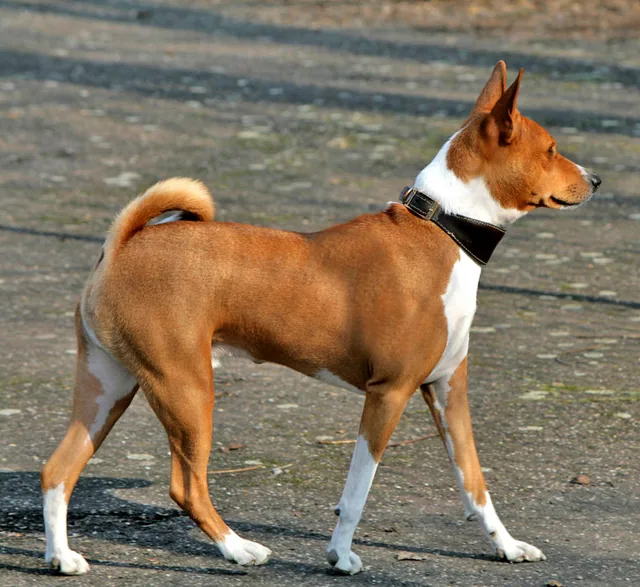
Basenji

Basenji

Spitz & Primitive

A small, elegant African hunting dog known as the barkless dog because it yodels and chortles instead of barking. Cat-like, clean and independent, it is a clever but strong-willed companion.

Small Democratic Republic of the Congo 12–14 years
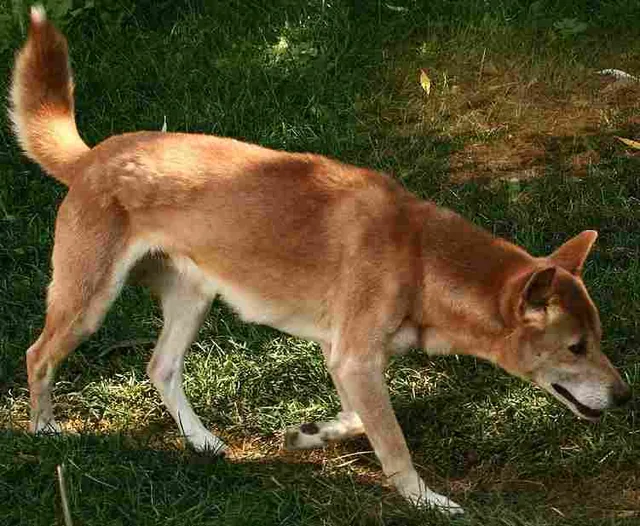
New Guinea Singing Dog

New Guinea Singing Dog

Spitz & Primitive

The New Guinea singing dog is an ancient primitive dog of the New Guinea Highlands, closely related to the dingo. It is famous for a melodic, yodel-like howl and for extraordinary agility.

Small Papua New Guinea 15–20 years
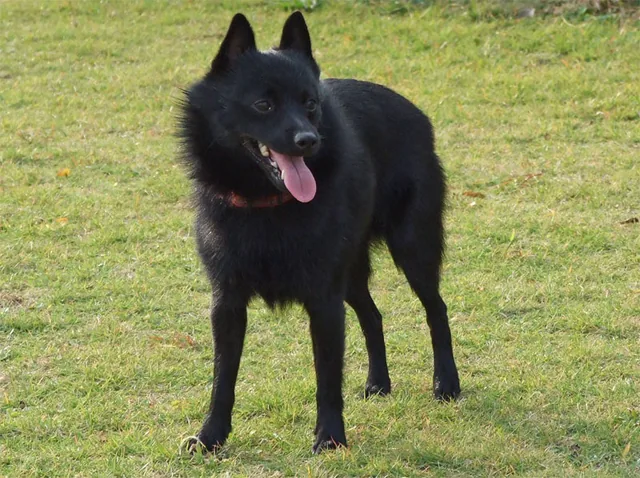
Schipperke

Schipperke

Spitz & Primitive

A small, black, fox-faced Belgian spitz with a thick ruff and a big personality. The Schipperke is a watchful, curious little guardian that was once a shepherd's and tradesman's helper in Flanders.

Small Belgium 13–15 years
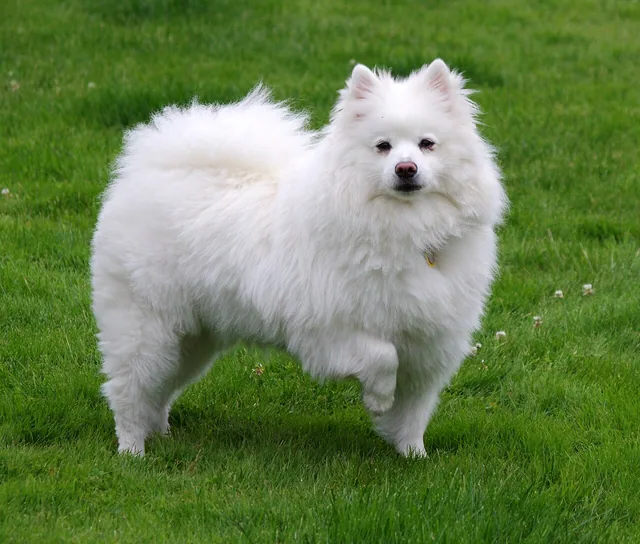
American Eskimo Dog

American Eskimo Dog

Spitz & Primitive

The American Eskimo Dog is a fluffy white Spitz companion that comes in toy, miniature and standard sizes. Despite its name it descends from German Spitz and once starred in American circuses.

Small United States 13–15 years
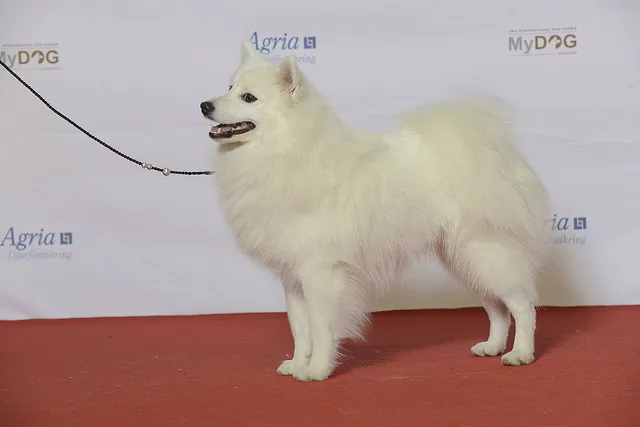
Japanese Spitz

Japanese Spitz

Spitz & Primitive

A cloud-like, pure white companion spitz from Japan, with a coat that stays clean almost by itself. Cheerful, devoted and a lively little watchdog, it thrives on being part of family life.

Small Japan 12–14 years
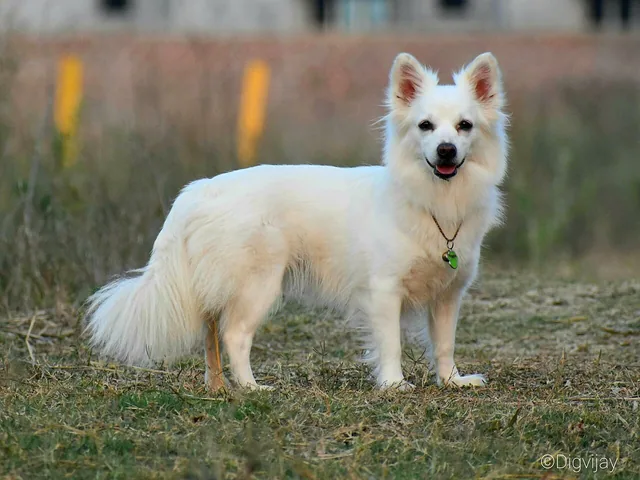
Indian Spitz

Indian Spitz

Spitz & Primitive

A fluffy, fox-faced white spitz that came to India with the British and became one of the country's best-loved family dogs, comfortable in both flats and houses.

Small India 12–14 years