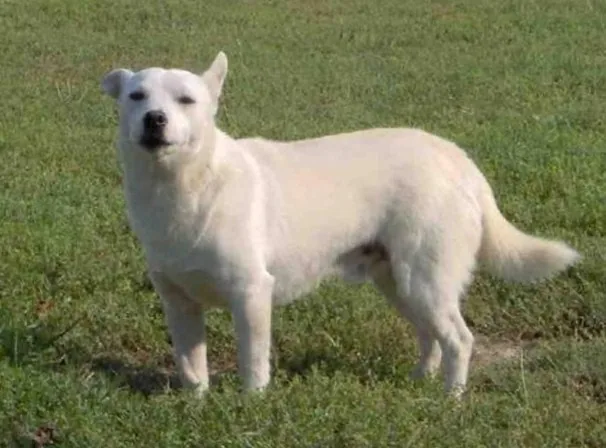
Alopekis
Photo: S. Chleiounakis, GFDL, via Wikimedia Commons

Alopekis

Also known as Alepoudhitsa, Alepudoskylo, Venetaki, Zacharoskylo, Tsoupi

Spitz & Primitive Small Greece Landrace

A small, fox-like primitive farm dog from Greece and the Balkans, valued as a rat-catcher, watchdog and companion. It is critically endangered and its history goes back thousands of years.

Height
25–30 cm
Weight
4–7 kg
Origin
Greece
Coat
Double coat, short and smooth, or semi-long rough or wiry
FCI
Group 5 (closest)
  • Loyal
  • Quiet
  • Friendly
  • Alert
  • Obedient

At a glance

Overview

The Alopekis is a small, ancient landrace found across Greece and neighbouring parts of the Balkans, most often in the farmland and villages of the north. It is not recognised by the FCI.

It was bred as a multipurpose farm dog that hunted pests, guarded the yard and helped with livestock. Numbers are unknown but it is critically endangered.

History

Its domestication in Greece is said to predate the Mycenaean era. An engraved pithos from Thessaly in the Athens archaeological museum is thought to show its silhouette, and another find from Rafina dates to the Early Bronze Age.

Aristotle, Xenophon and Aristophanes all mention it, and the name means a cross between fox and dog, which they believed it was. Mass sterilisation of strays in some regions has cut its numbers, and Greek groups now work to preserve it.

Appearance

The Alopekis is small and fox-like with a wedge-shaped head, erect ears and a sickle or curled tail. The body is longer than tall and robust, with normal, unshortened limbs.

It stands about 25 to 30 cm and weighs 4 to 7 kg. The double coat comes short and smooth, semi-long and tufted, or semi-long and wiry.

Temperament

Quiet, obedient and loyal, the Alopekis is expressive and friendly with people and usually good with children. It is alert and protective of farm animals.

It is a high-energy dog that can cover long distances and a capable hunter of rats and other pests. It adapts to both rural and urban homes.

Care and exercise

Daily walks and play are needed to burn off its energy, and it appreciates a job to do. A securely fenced garden is ideal.

The coat is easy to care for and tends to stay clean, and the dog itself is naturally tidy. Brush weekly, more in shedding season.
More spitz & primitive breeds

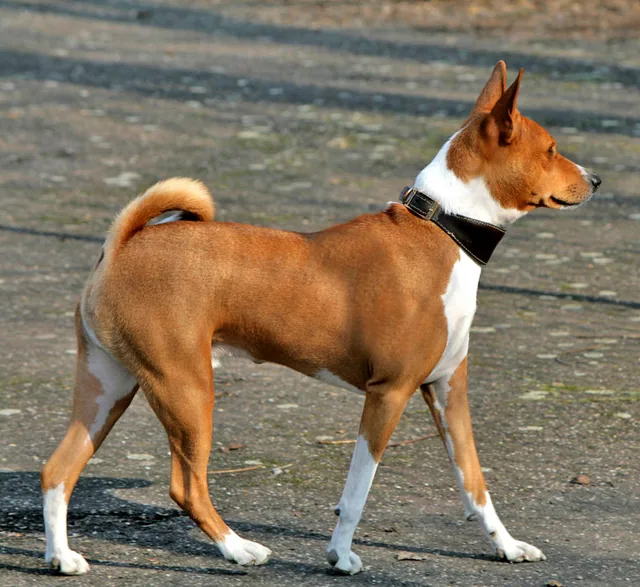
Basenji

Basenji

Spitz & Primitive

A small, elegant African hunting dog known as the barkless dog because it yodels and chortles instead of barking. Cat-like, clean and independent, it is a clever but strong-willed companion.

Small Democratic Republic of the Congo 12–14 years
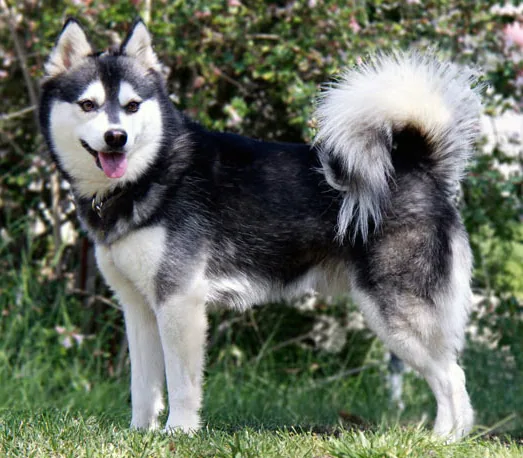
Alaskan Klee Kai

Alaskan Klee Kai

Spitz & Primitive

A companion-sized spitz that looks like a miniature Siberian Husky. Bred in three sizes, the Alaskan Klee Kai is clever, agile and busy, and tends to be reserved with strangers.

Small United States 12–16 years
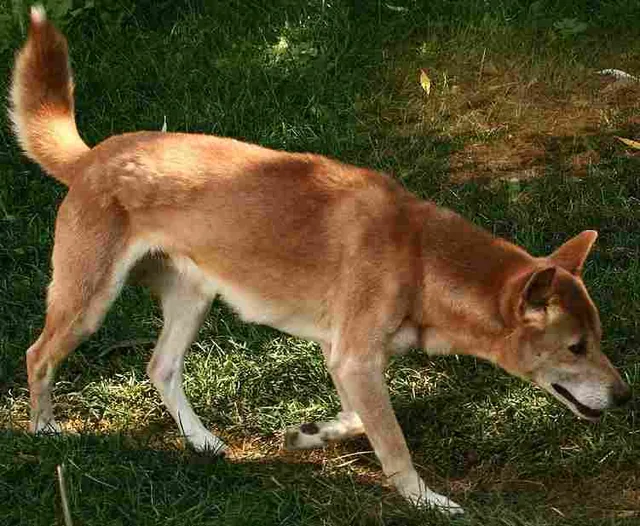
New Guinea Singing Dog

New Guinea Singing Dog

Spitz & Primitive

The New Guinea singing dog is an ancient primitive dog of the New Guinea Highlands, closely related to the dingo. It is famous for a melodic, yodel-like howl and for extraordinary agility.

Small Papua New Guinea 15–20 years
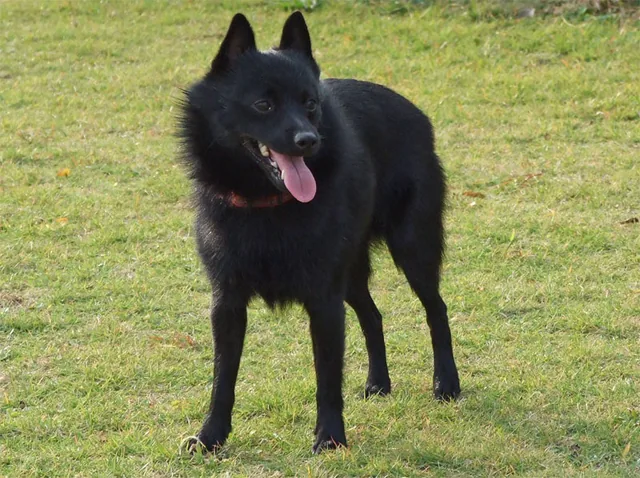
Schipperke

Schipperke

Spitz & Primitive

A small, black, fox-faced Belgian spitz with a thick ruff and a big personality. The Schipperke is a watchful, curious little guardian that was once a shepherd's and tradesman's helper in Flanders.

Small Belgium 13–15 years
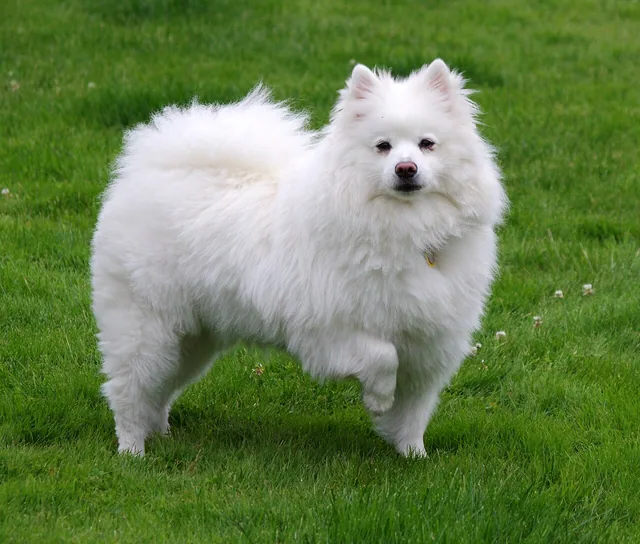
American Eskimo Dog

American Eskimo Dog

Spitz & Primitive

The American Eskimo Dog is a fluffy white Spitz companion that comes in toy, miniature and standard sizes. Despite its name it descends from German Spitz and once starred in American circuses.

Small United States 13–15 years
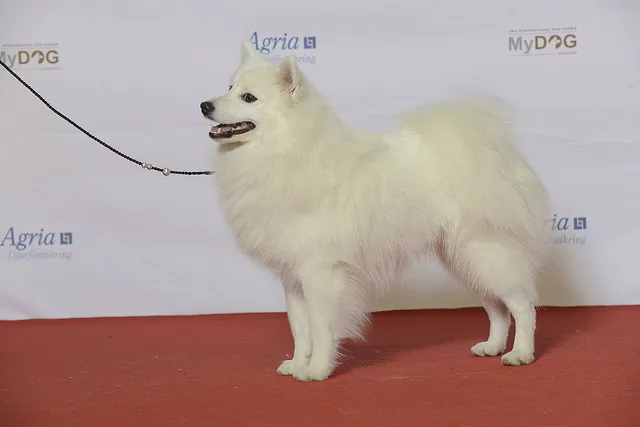
Japanese Spitz

Japanese Spitz

Spitz & Primitive

A cloud-like, pure white companion spitz from Japan, with a coat that stays clean almost by itself. Cheerful, devoted and a lively little watchdog, it thrives on being part of family life.

Small Japan 12–14 years