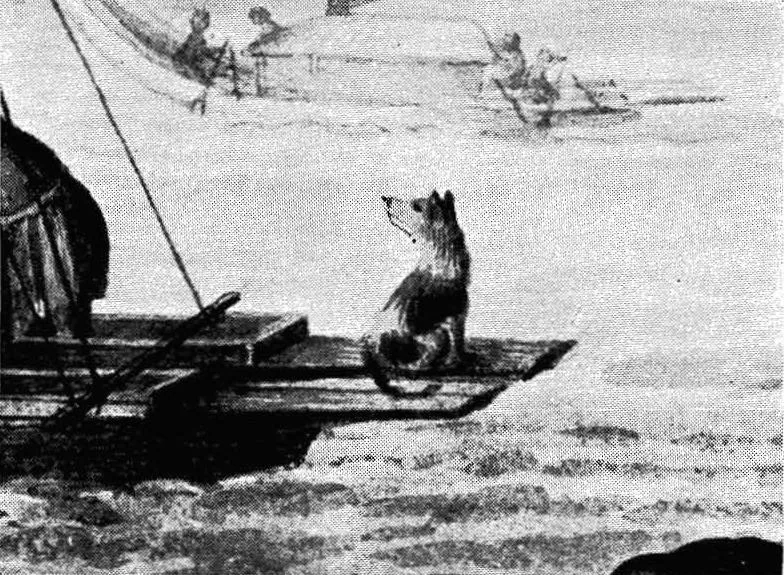
Tahitian Dog
Photo: A. Buchan, S. Parkinson or J. F. Miller, Public domain, via Wikimedia Commons

Tahitian Dog

Also known as ʻŪrī Mā'ohi, Society Islands Dog

Spitz & Primitive Small French Polynesia Extinct

The Tahitian Dog was a small native dog of the Society Islands, brought by Polynesian settlers and kept for food and tools. It vanished as a distinct breed after European dogs arrived.

Origin
French Polynesia
Coat
Short, smooth to rather long and lank, hard hair
FCI
Group 5 (closest)
  • Shy
  • Quiet
  • Aloof
  • Wary

At a glance

Overview

The Tahitian Dog, called ʻŪrī Mā'ohi, was the native dog of Tahiti and the Society Islands. It arrived with the ancestors of the Tahitian people during their ocean migrations, alongside pigs and chickens.

It was small to medium in build and held an important place in island life. The breed no longer exists as a distinct type.

History

The dogs were brought by Polynesian settlers and were closely related to the Hawaiian Poi Dog and the New Zealand Kurī. Genetic work suggests Polynesian dogs trace back to Indonesian dogs.

They were kept in households, fed on plant foods and eaten at feasts. Their teeth became fishhooks, their bones tools and their hair decorated ceremonial breast ornaments. Early explorers such as Wallis and Cook met them in the late 1700s. By 1834 the native dog was said to be extinct or lost among mixed dogs introduced from Europe.

Appearance

Accounts describe a small to medium dog about the size of a lap dog up to a large spaniel, with short legs and a long back. The head was broad, the muzzle pointed, the eyes small and the ears upright.

The smooth coat was usually brown, white or rusty yellow. The diet of soft plant foods is thought to have given the dogs round skulls and small stature.

Temperament

Early visitors described these dogs as lazy, shy and not fierce, though some found their temper poor. They rarely barked but sometimes howled, and were very wary of strangers.

Care and exercise

As the breed is extinct, there is no modern care to describe. In their own time the dogs were kept at home, often tied up, and fed on breadfruit, coconut, yams and taro.
More spitz & primitive breeds

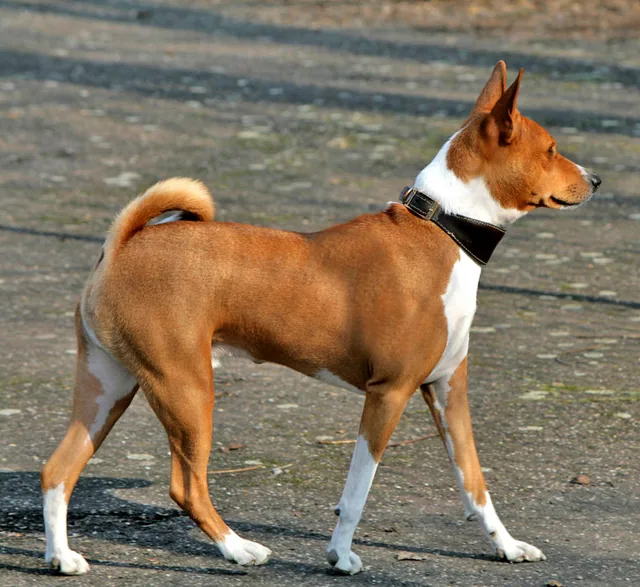
Basenji

Basenji

Spitz & Primitive

A small, elegant African hunting dog known as the barkless dog because it yodels and chortles instead of barking. Cat-like, clean and independent, it is a clever but strong-willed companion.

Small Democratic Republic of the Congo 12–14 years
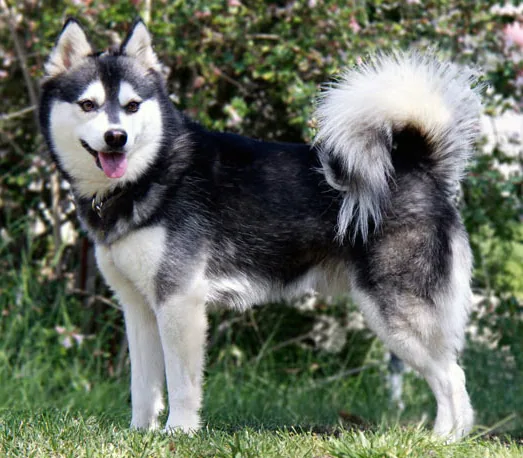
Alaskan Klee Kai

Alaskan Klee Kai

Spitz & Primitive

A companion-sized spitz that looks like a miniature Siberian Husky. Bred in three sizes, the Alaskan Klee Kai is clever, agile and busy, and tends to be reserved with strangers.

Small United States 12–16 years
New Guinea Singing Dog

New Guinea Singing Dog

Spitz & Primitive

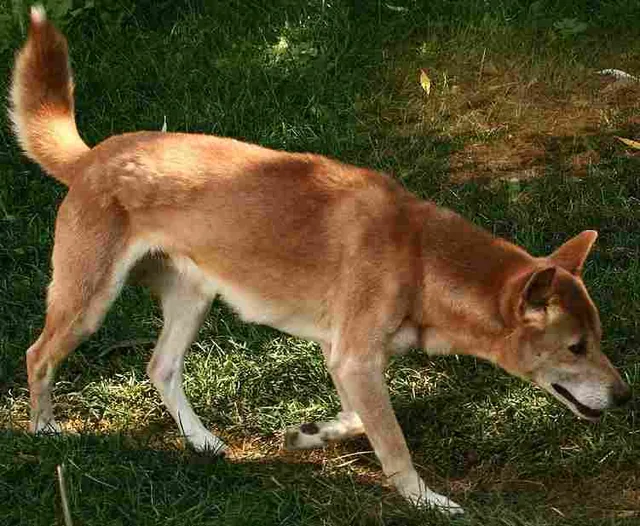
The New Guinea singing dog is an ancient primitive dog of the New Guinea Highlands, closely related to the dingo. It is famous for a melodic, yodel-like howl and for extraordinary agility.

Small Papua New Guinea 15–20 years
Schipperke

Schipperke

Spitz & Primitive

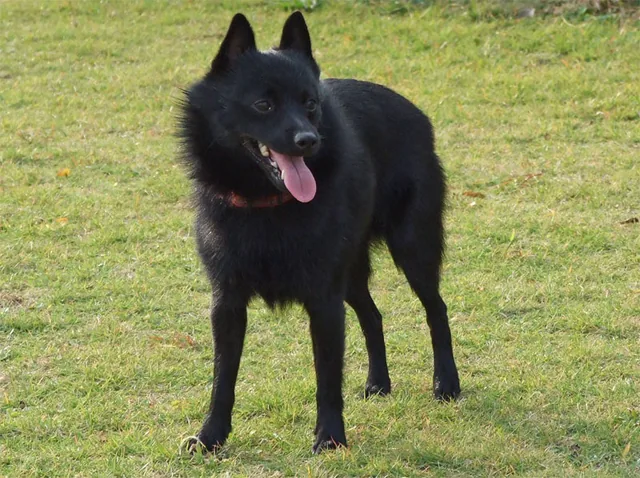
A small, black, fox-faced Belgian spitz with a thick ruff and a big personality. The Schipperke is a watchful, curious little guardian that was once a shepherd's and tradesman's helper in Flanders.

Small Belgium 13–15 years
American Eskimo Dog

American Eskimo Dog

Spitz & Primitive

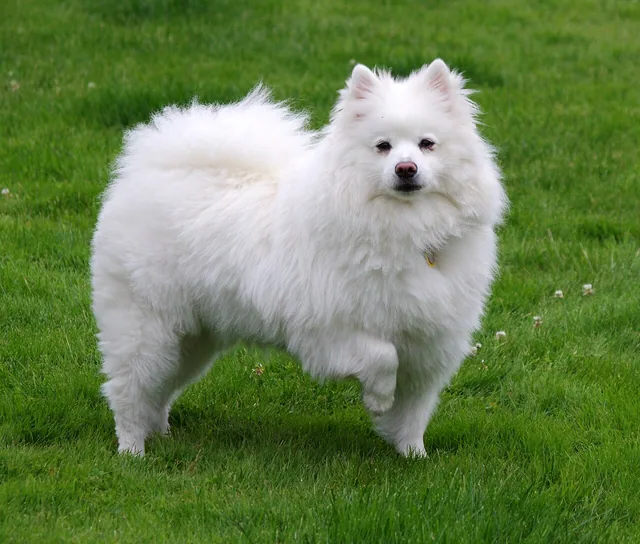
The American Eskimo Dog is a fluffy white Spitz companion that comes in toy, miniature and standard sizes. Despite its name it descends from German Spitz and once starred in American circuses.

Small United States 13–15 years
Japanese Spitz

Japanese Spitz

Spitz & Primitive

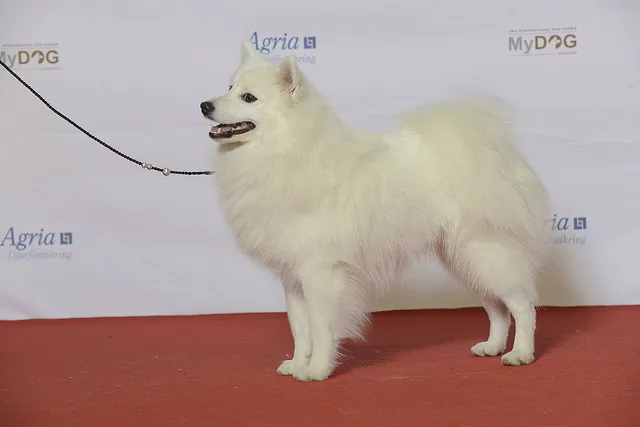
A cloud-like, pure white companion spitz from Japan, with a coat that stays clean almost by itself. Cheerful, devoted and a lively little watchdog, it thrives on being part of family life.

Small Japan 12–14 years