Overview
The Siberian Husky is a spitz-type working dog created by the Chukchi people of north-eastern Siberia to pull sleds and share their homes. It is built for stamina rather than raw power, which makes it lighter than the Alaskan Malamute.
Today it is mostly a pet and sports dog, loved for its beauty and its sociable character. It is rewarding for active owners but demanding for anyone who wants a quiet, obedient dog.
History
Chukchi people on the Chukchi Peninsula developed these dogs over centuries for sled pulling and companionship. Genetic studies link the breed to very old Siberian dog lineages, and the dogs were brought to Nome, Alaska, in 1908, where they were used in sled dog racing.
Recent research shows today's population is split into show, pet, racing and Seppala lines, and some racing lines carry outside breed influence.
Appearance
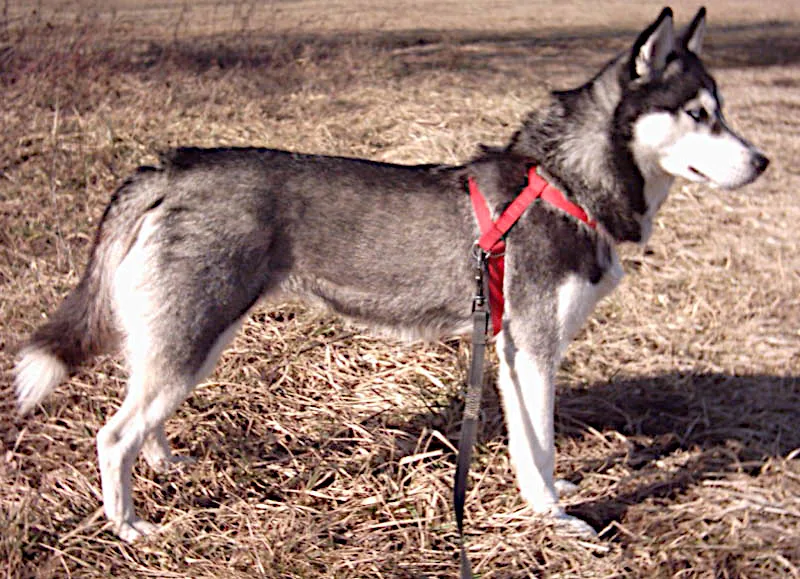
A balanced, athletic dog with a well-furred tail, erect triangular ears and almond-shaped eyes that may be brown, blue or one of each. Males stand about 51 to 60 cm and weigh 20 to 27 kg; females are slightly smaller at 16 to 23 kg.
The double coat is among the thickest of any breed and comes in many colours and patterns, usually with white paws, legs and tail tip and expressive facial markings.
Temperament
Huskies are friendly, gentle and outgoing, and they usually greet strangers with enthusiasm, which makes them poor guard dogs. They need company and often do best with other dogs.
They are intelligent but independent, with a strong prey drive and a talent for escaping. Rather than barking much, they howl and make chatty sounds.
Care and exercise
This breed needs a lot of daily exercise, ideally running, pulling sports or long active outings, and mental work to prevent destructive boredom. A tall, secure fence is essential because they dig, chew and jump.
Brush weekly and daily during the heavy seasonal moult. They are happiest in cool conditions and should be protected from heat.
Health
Generally a hardy breed, though eye conditions such as cataracts and progressive retinal atrophy occur, along with hip dysplasia. Responsible breeders screen eyes and hips.