Overview
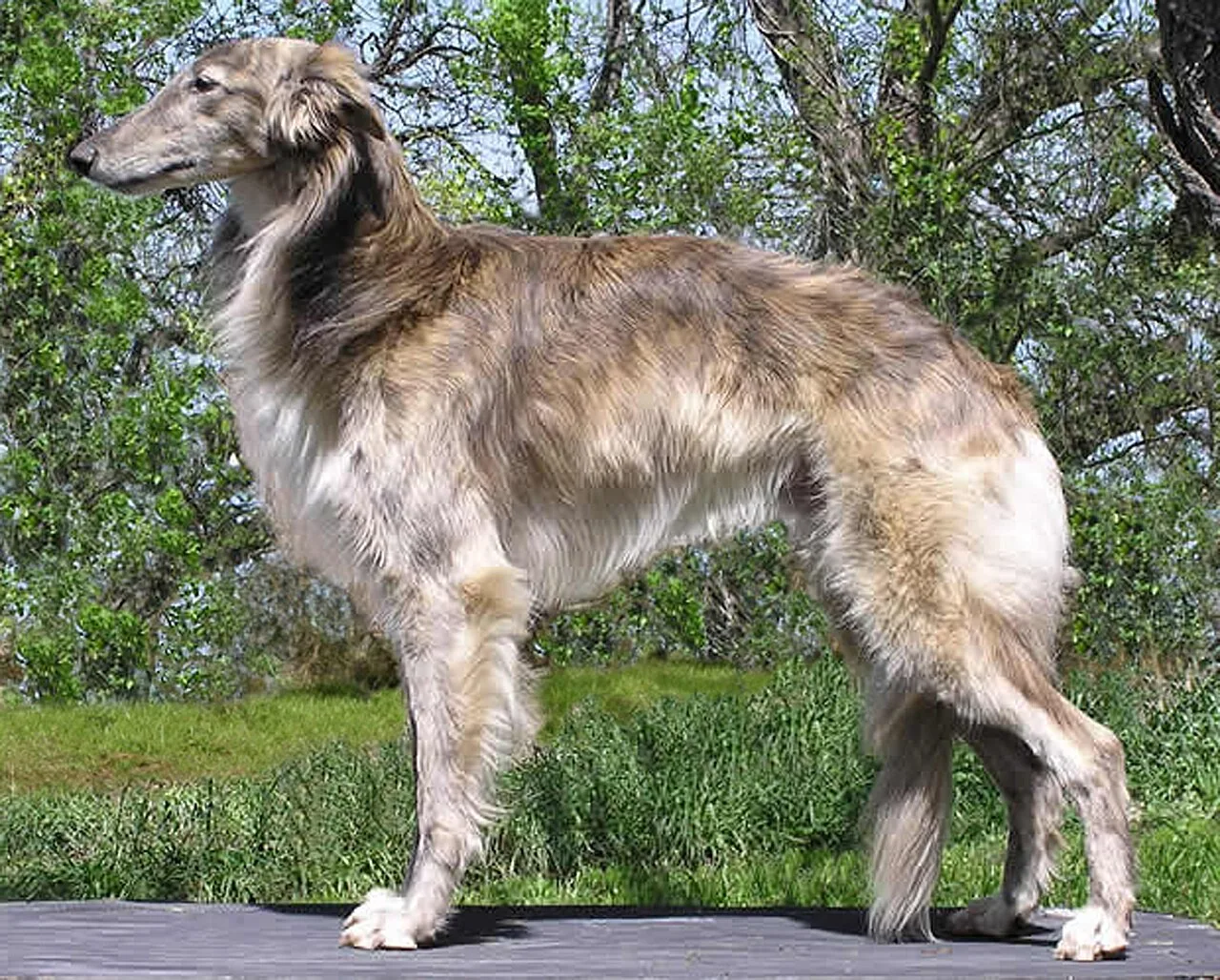
The Silken Windhound is a refined, medium-sized sighthound with a silky coat of middling length. It combines the speed of a coursing dog with a soft, affectionate nature.
It is a fairly new breed that does well in homes with children and enjoys sports, therapy work and quiet time on the sofa.
History
The breed was founded in Austin, Texas, by Francie Stull, a breeder of Borzoi and Deerhounds, using her favoured Borzoi and Lurcher bloodlines. The first litter was born in 1985 and the International Silken Windhound Society was formed in 1999.
The studbook closed in 2000, with only a little monitored outcrossing since to keep health and diversity up. The United Kennel Club recognised the breed in 2011, and it is accepted by some FCI-member clubs but not yet by the FCI itself. The AKC added it to its Foundation Stock Service in 2026.
Appearance
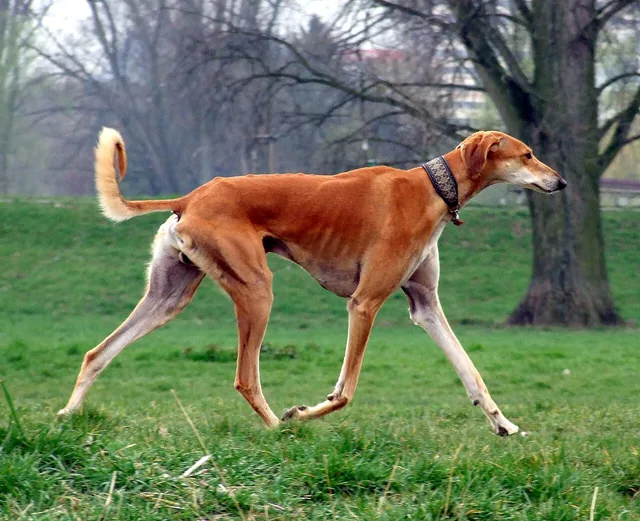
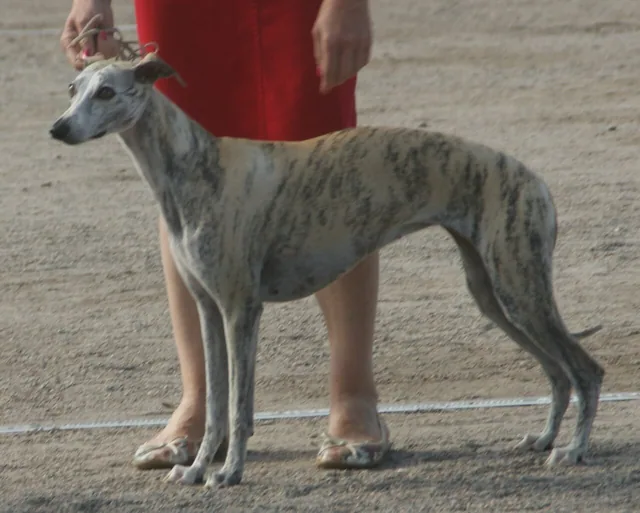
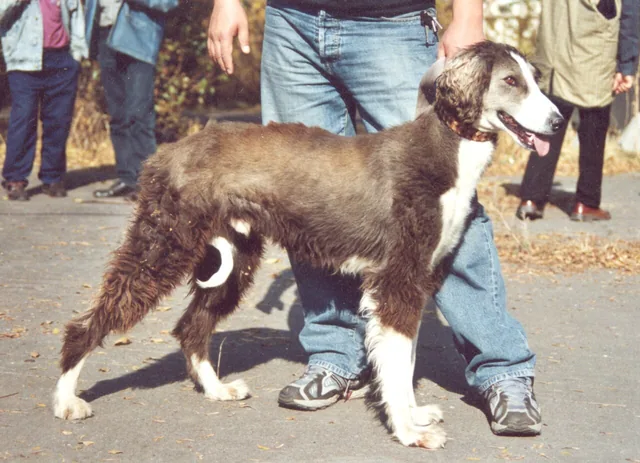
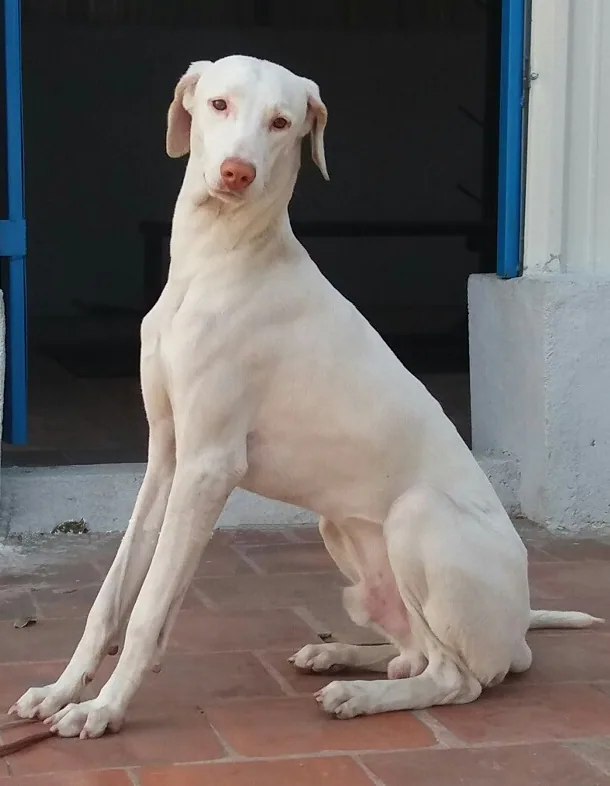
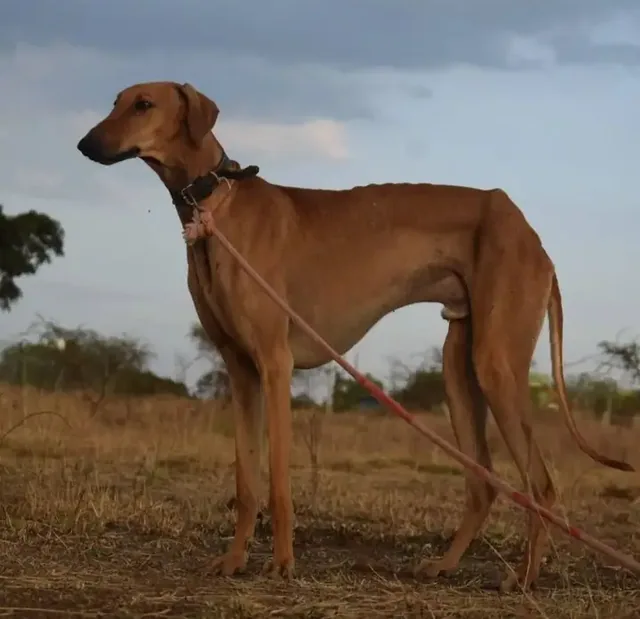
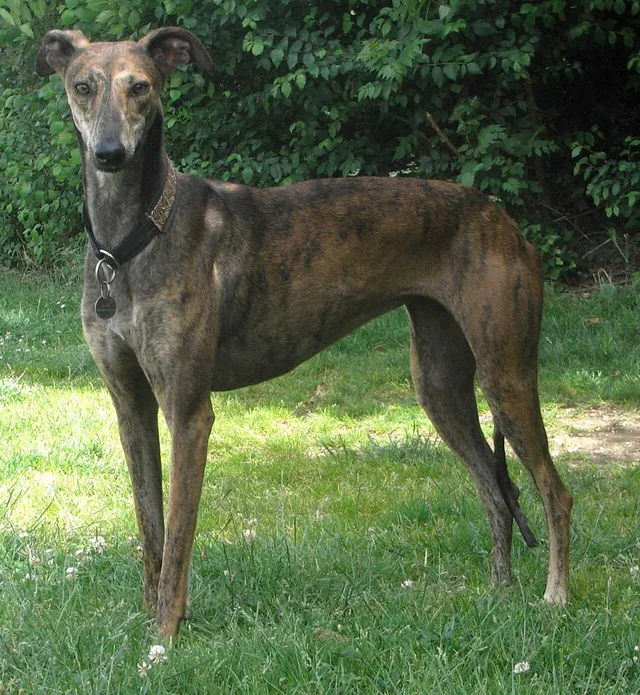
A graceful, light-boned sighthound with a long, silky coat that may be spotted, tuxedo-marked or solid. Colours range from white to black, with brindle and solid red in between. It has the deep chest, tucked waist and long legs typical of a courser.
Temperament
Silken Windhounds are affectionate, playful and sensitive. They bond strongly with their people and are good with children. Their friendliness makes them poor guard dogs, and they can usually learn to live with smaller household pets, though the chase instinct remains.
Care and exercise
Silkens need regular running in a safe, enclosed area, plus short, positive training sessions. They enjoy lure coursing, agility, flyball and obedience. Many slip out of buckle collars, so a semi-slip collar is often preferred. The silky coat needs regular brushing to prevent tangles.
Health
Silkens are generally long-lived and hardy, and hip dysplasia and bloat are rare. Some carry the MDR1 gene mutation, which causes sensitivity to ivermectin and related drugs, and a test is available. Cryptorchidism, umbilical hernia, deafness and cataracts in old age have been reported.