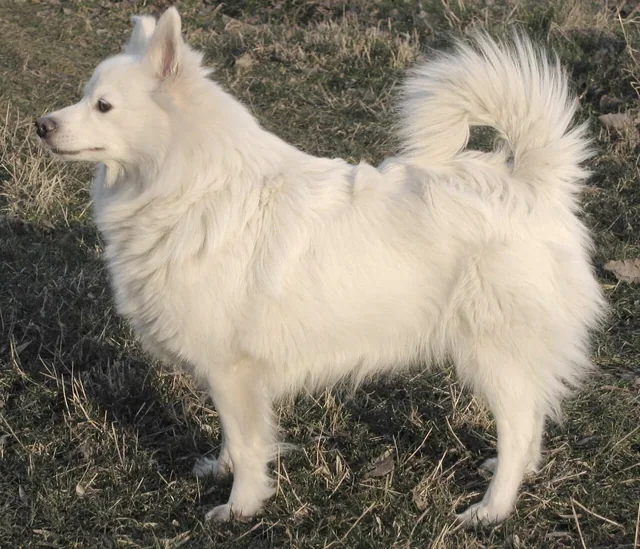
Overview
The Carolina Dog is a medium-sized, primitive-type dog occasionally found feral in the Southeastern United States, particularly in longleaf pine and cypress swamp country. It was once a landrace and has since been developed as a standardised breed.
It is lean, athletic and alert, with sensitive hearing and a keen survival sense.
History
Dogs of this type were described in American publications in the 1920s, and were later rediscovered living freely by ecologist I. Lehr Brisbin Jr. near the Savannah River Site in Georgia and South Carolina.
The UKC has registered the breed since 1996, the ARBA also has a standard, and in 2017 the AKC accepted it into its Foundation Stock Service. Genetic studies show some ancestry linked to East Asian dogs, alongside admixture with other breeds.
Appearance
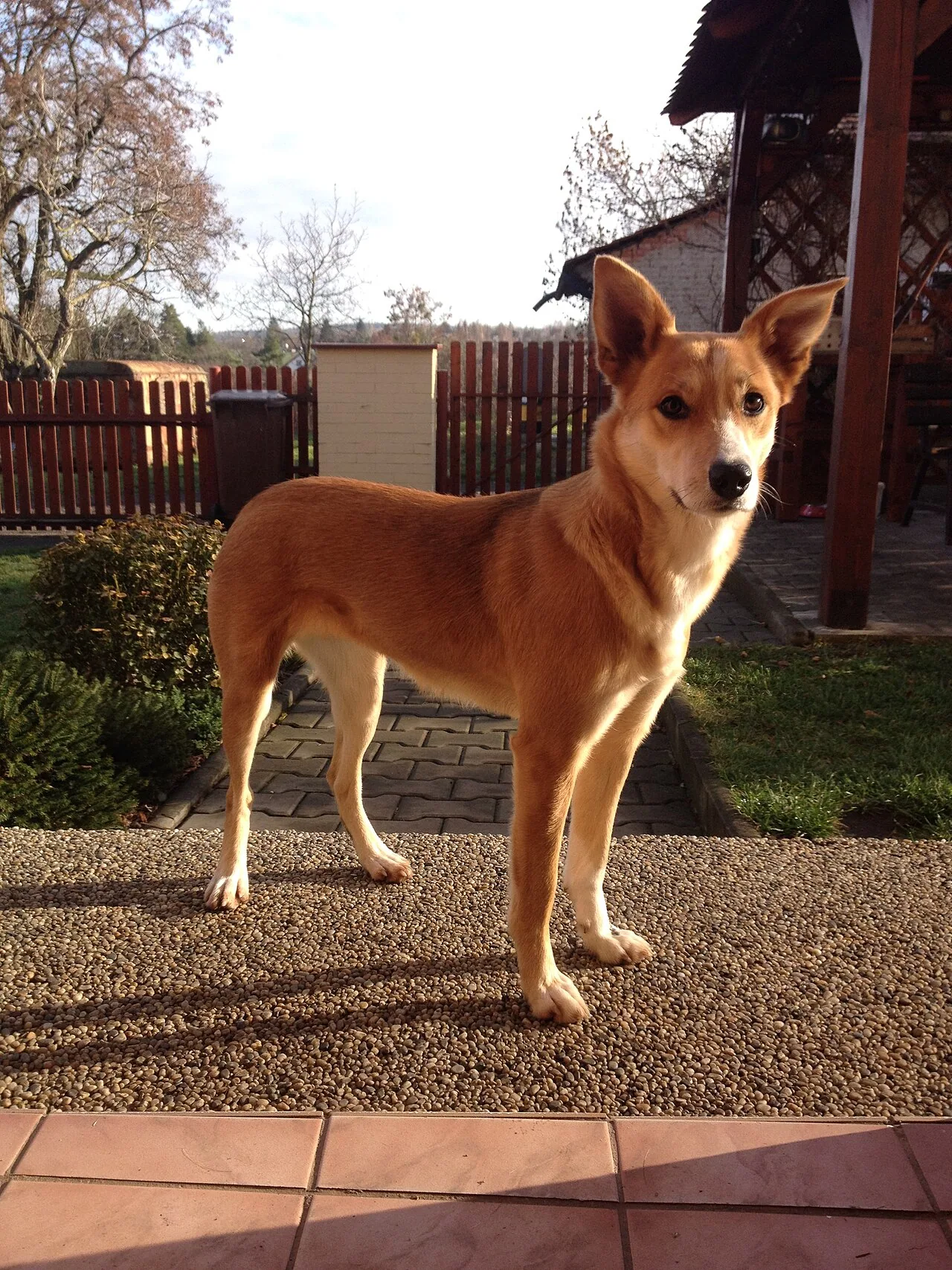
A medium-sized, lean to moderately stocky dog standing about 46 to 61 cm and weighing 16 to 23 kg. The long, erect, fox-like ears, spitz-like snout and upturned, often hooked tail are distinctive.
The short, smooth coat is usually ginger, buff, fawn, black and tan, or piebald, and dark eyeliner is common.
Temperament
Carolina Dogs are intelligent, observant and strongly pack-oriented. They are typically reserved with strangers but devoted to their family.
They keep strong hunting and digging instincts, and may be wary or independent. Early socialisation and patient training are important.
Care and exercise
They need regular exercise and a secure, well-fenced yard, as they are good at roaming and digging. They do well with active owners and a consistent routine.
Grooming is simple: a weekly brush, with extra attention in shedding season.
Health
The breed is generally considered hardy. Free-living dogs commonly face heartworm and other parasites, so regular preventive care is advisable.