Overview
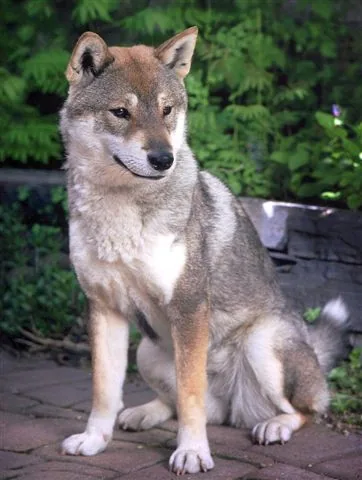
The Shikoku is a medium-sized Japanese spitz-type hunting dog from the mountainous island of Shikoku. It is one of the six native breeds of Japan, sized between the large Akita and the small Shiba Inu.
Traditionally used to hunt deer and wild boar in rough terrain, it is a rare breed even in its homeland, and numbers have been slowly declining.
History
The Shikoku developed in the remote mountains of Shikoku, where Matagi hunters used it for deer and boar. The dogs were trained either to bark to hold the quarry or to bite to hold it, and the barking method is preferred for the dog's safety.
In the 1930s, Haruo Isogai classified the native dogs by size, placing the Shikoku among the medium-sized types. Five regional lines were developed during reconstruction of the breed, of which the Hongawa and Hata are the main ancestors of the modern dog, while the Awa line essentially disappeared after World War II.
Appearance
A muscular, nimble dog, slightly longer than tall. Males stand about 52 cm and females about 49 cm, with a tolerance of 3 cm either way. The ears are erect, the coat is dense and harsh, and the tail is carried curled over the back.
The colour is sesame, red sesame or black sesame, with pale urajiro markings on the muzzle, cheeks, underside and legs.
Temperament
The Shikoku is spirited, alert and keen, with a sharp sense and quick intuition. It is fiercely loyal and docile toward its owner, and can be a devoted companion and watchdog.
It is an enthusiastic hunter by instinct, so it needs early socialisation and confident, consistent handling. It may be reserved with strangers.
Care and exercise
This dog needs a lot of daily exercise, such as long walks, hiking and other energetic activities. It loves rough terrain and climbing, and it must be kept on a secure lead or in a well-fenced yard because of its hunting drive.
The coat is easy to keep with weekly brushing, with heavier shedding twice a year.
Health
Generally hardy. The one known major issue is a predisposition to epilepsy. Canine focal metatarsal fistulation and neuronal ceroid lipofuscinosis have occasionally been reported in Japan.





