Overview
The Saluki is an elegant sighthound bred by nomadic tribes of the Middle East to run down gazelle, hare and fox. It is built for endurance, and is thought to outpace the Greyhound over longer distances.
Indoors it is quiet, dignified and calm, though it keeps the independence and chasing instinct of a hunter.
History
Saluki ancestors lived in the Fertile Crescent, and dogs of similar shape appear on pottery, carvings and tomb art from Iran, Mesopotamia and Egypt thousands of years old. The breed was kept by nomadic tribes and by royalty across the Middle East.
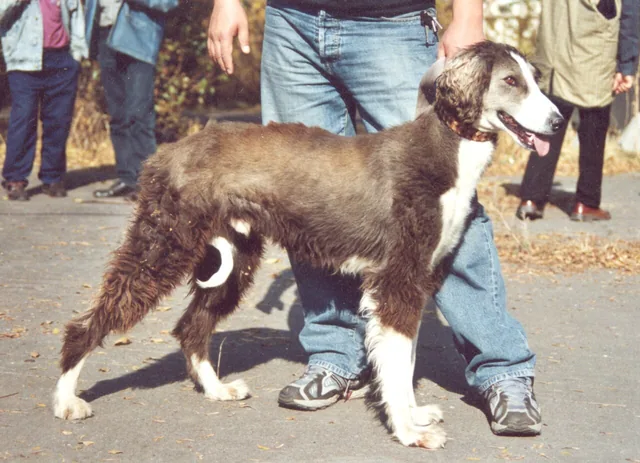
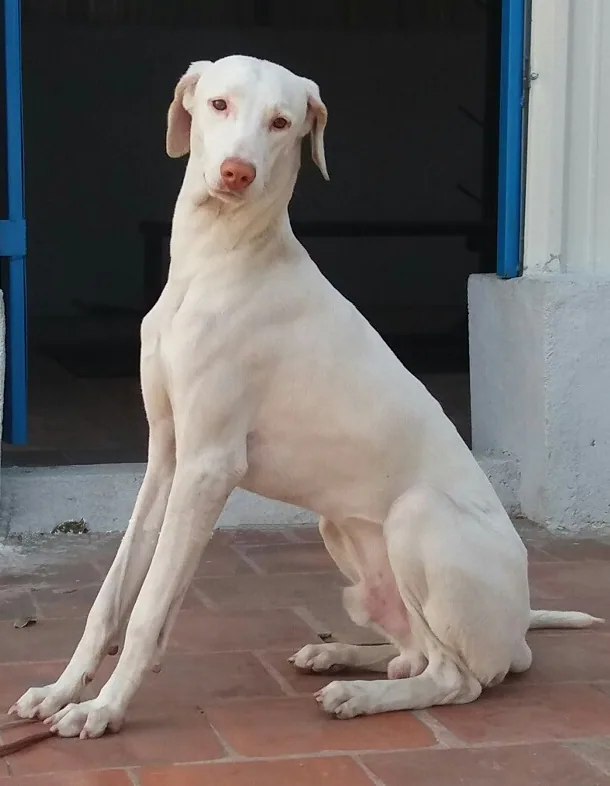
It reached Britain and Germany from the 1840s, and breed standards were set in the West and Middle East in the 1920s and 1930s. Free-breeding landrace dogs of similar type remain common in the region.
Appearance
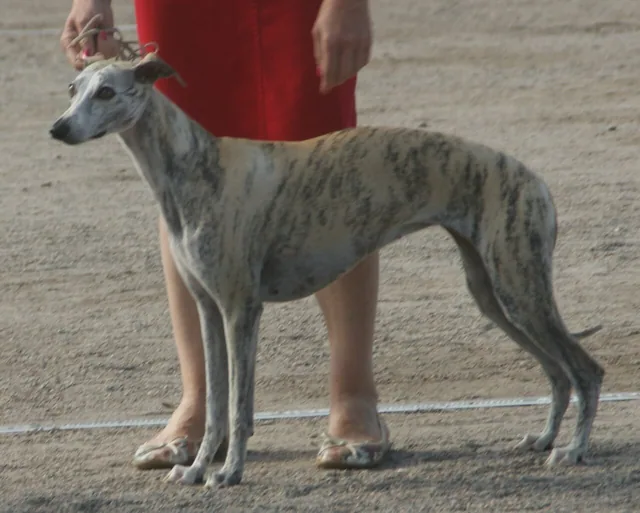
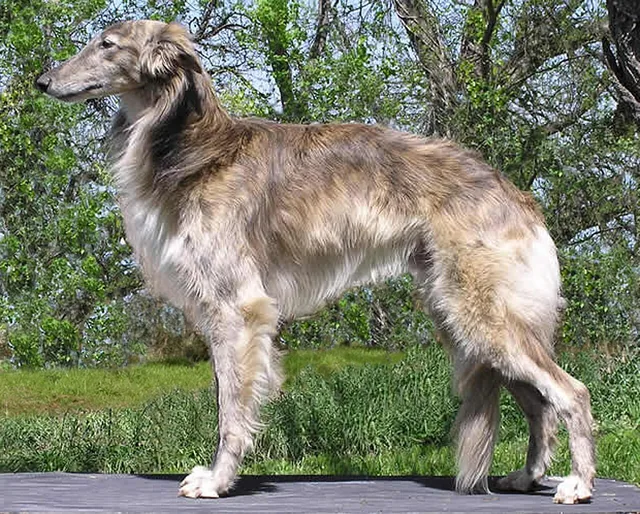
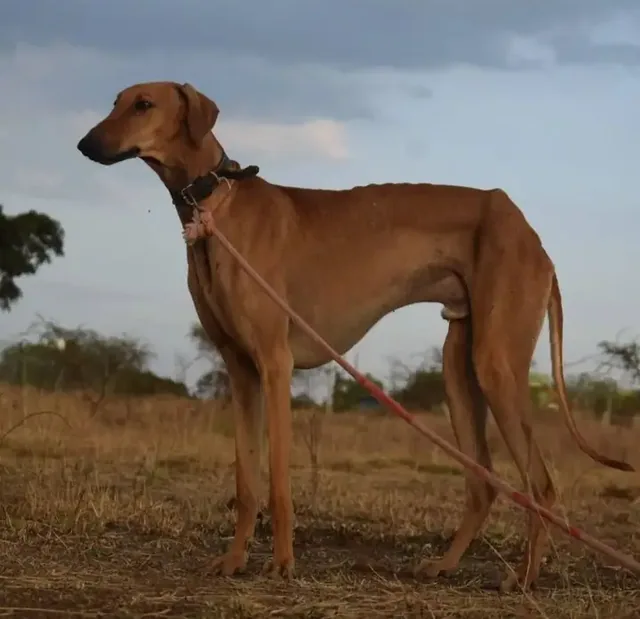
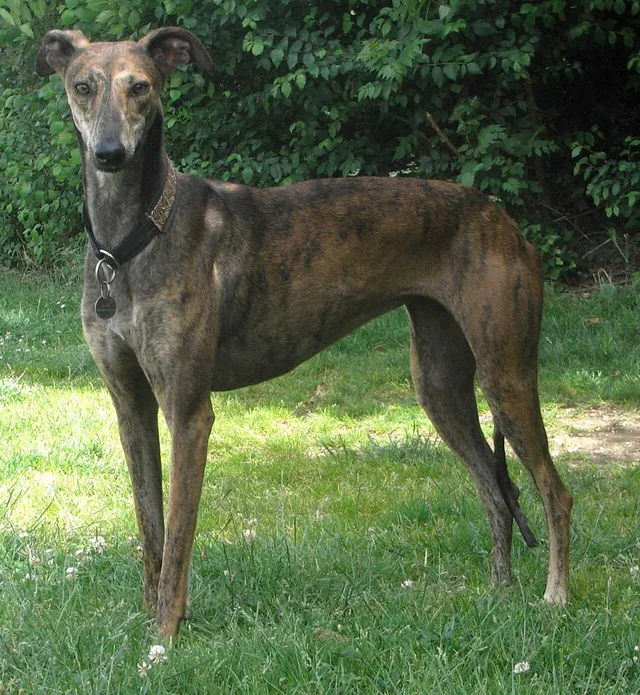
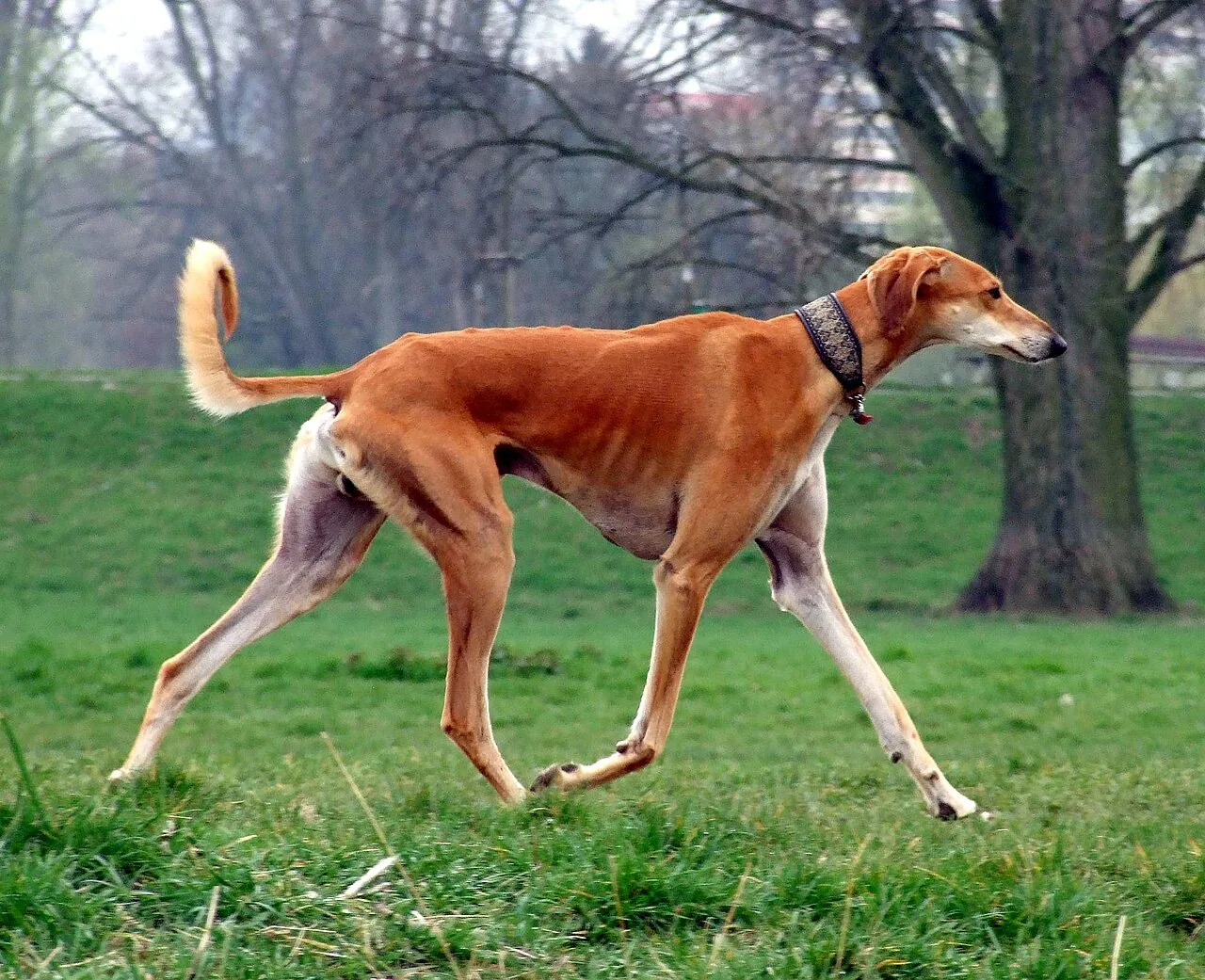
The Saluki is long-legged and deep-chested, with a long, narrow head, large eyes, drop ears and a long curved tail. It stands about 58 to 71 cm tall and weighs 16 to 32 kg, with females a little smaller.
There are smooth and feathered varieties; the feathered type has light fringes on the legs, thighs, ears and sometimes the throat. Desert-type dogs often look more compact and primitive.
Temperament
Salukis are aloof with strangers, independent and sensitive. They bond closely with their family but are not demonstrative, and they dislike rough games.
They are quiet and calm as adults and cope well with flat life, but they bore easily and should not be left alone for long. Chasing instincts are strong, so cats and small animals may be at risk and off-lead recall cannot be trusted.
Care and exercise
Salukis need daily exercise and, ideally, a safe, fenced space to run at full speed. Keep them on a lead elsewhere. Training should be gentle and patient, and early socialisation helps prevent shyness.
The silky coat is easy to care for, with weekly brushing, a little more for the feathered type. They enjoy soft, warm bedding.
Health
The breed is generally healthy and long-lived. Cancer and heart disease, including cardiomyopathy, are the most commonly reported causes of death in surveys. Hip dysplasia is uncommon. Like other sighthounds they can be sensitive to anaesthesia.