Overview
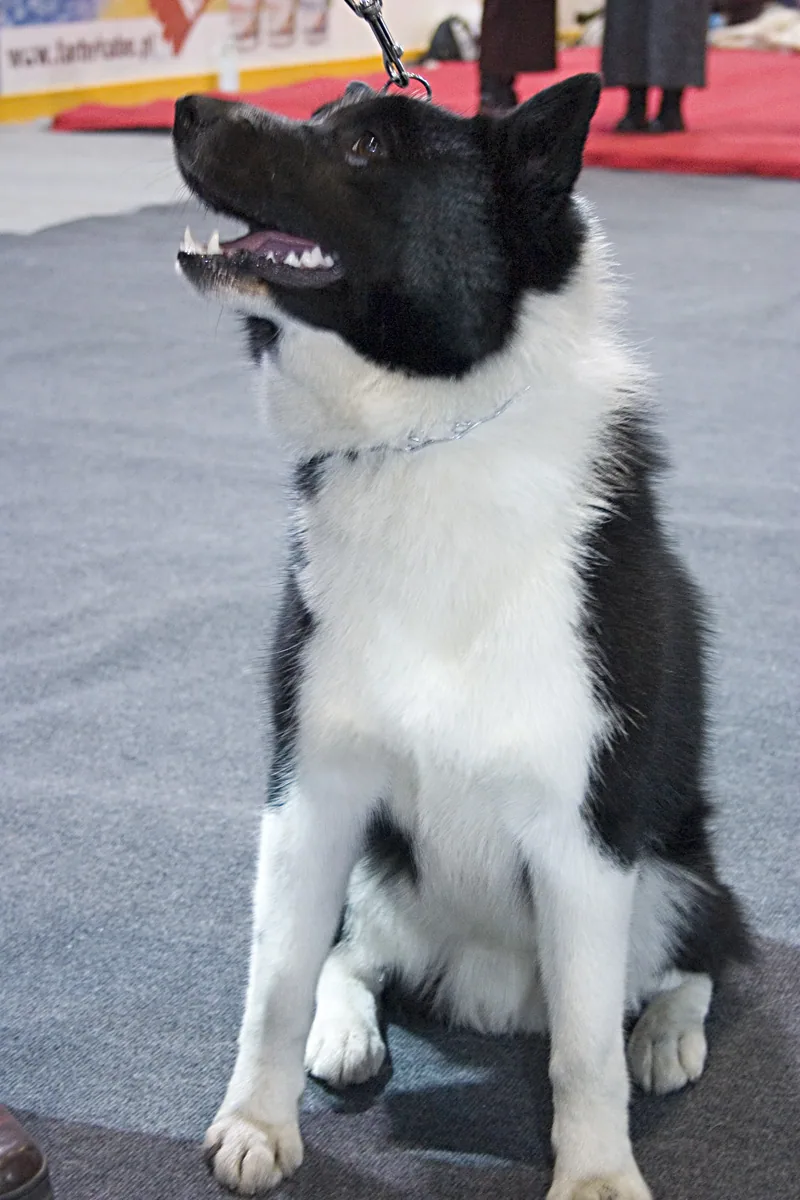
This medium-sized Laika is a hunting breed of spitz type, with prick ears and a sickle tail carried over the back. It is one of several breeds developed from older regional Laika dogs.
It loves open country and work, and bonds closely with its people, making it a good family dog in active homes.
History
The breed comes from a programme begun in 1944 by E. I. Shereshevsky of the All-Union Research Institute for the Hunting Industry in Kalinin, now Tver. Breeders built it from landrace Laika dogs of the forested north-east of Europe.
The FCI lists it among the Nordic hunting dogs of the spitz and primitive group, along with the East and West Siberian Laikas.
Appearance
A medium-sized, well-balanced spitz. Males stand about 54 to 60 cm at the withers and females 52 to 58 cm. The ears are erect and the tail curves over the back.
Any usual spitz colour is allowed, though red and ticking on the legs is undesirable.
Temperament
Lively and eager, the Laika is happiest in the wilderness. As a hunter that trees game, it uses its bark to tell the hunter where the quarry is, and may bark freely at home too.
It loves people and is very tolerant of children. Once bonded it is quite territorial and a good guard, but it can be wary of unfamiliar dogs and other animals.
Care and exercise
This breed needs plenty of exercise, especially running free, and a job or training to keep its mind busy. Without it, boredom can lead to destructive behaviour.
Early socialisation and obedience training are important. The thick coat needs regular brushing, especially when shedding.





