Overview
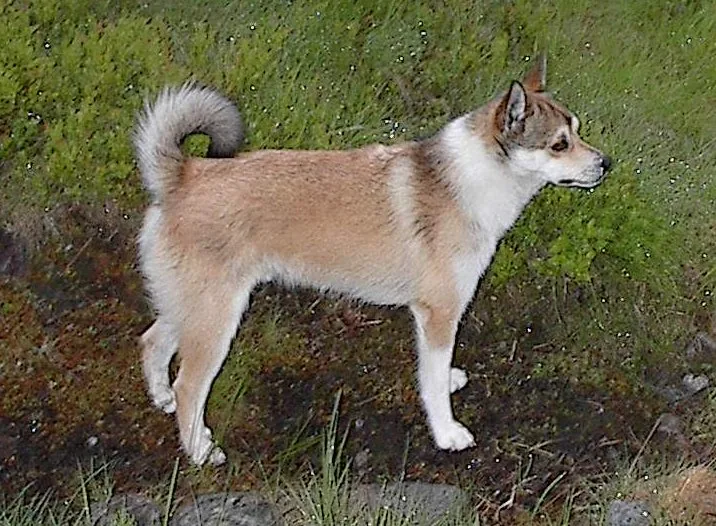
The Norwegian Lundehund is a small spitz from the coast of northern Norway. Its name means puffin dog, because it was bred to fetch puffins from narrow crevices on steep sea cliffs.
It is one of the most unusual dogs in the world, with extra toes, very supple joints and ears it can close. It is also rare, and careful breeding is needed to keep the population healthy.
History
For more than four hundred years the Lundehund helped coastal villagers collect puffins for food, and the first written mention dates from 1591. New netting methods and a dog tax reduced its role, leaving only a few dogs in the village of Mostad.
Distemper nearly wiped the breed out around World War II and again in 1963, when only six dogs survived. Strict breeding programmes have since rebuilt the population to roughly 1,500 dogs, with some crossbreeding to widen the gene pool.
Appearance
A small, rectangular spitz with a wedge-shaped head, upright ears and a tail curled over the back. Its most striking features are six fully formed toes on each foot.
The dog can tilt its head back along its spine, spread its forelegs sideways and fold its ears shut to keep out dirt. The coat is dense and rough over a soft undercoat.
Temperament
Lundehunds are lively, curious and attached to their families. They are alert and can be wary of strangers, and they are good with children when well socialised.
They are intelligent but can be independent and a little mischievous, so they respond best to patient, upbeat training.
Care and exercise
This is an active breed that needs a fair amount of daily exercise, including walks and games, and it enjoys climbing and exploring. A secure fence matters, because it is an agile escape artist.
Brushing weekly, with extra care during the seasonal moult, keeps the coat in order. Nails and toes should be checked often, and a carefully managed, easily digestible diet is important.
Health
The breed has a very narrow gene pool and shows inbreeding effects such as small litters and poor fertility. Many dogs suffer from Lundehund syndrome, a serious digestive disorder that prevents proper nutrient absorption. It can be managed with a low-fat, higher-protein diet and veterinary care but cannot be cured.