Overview
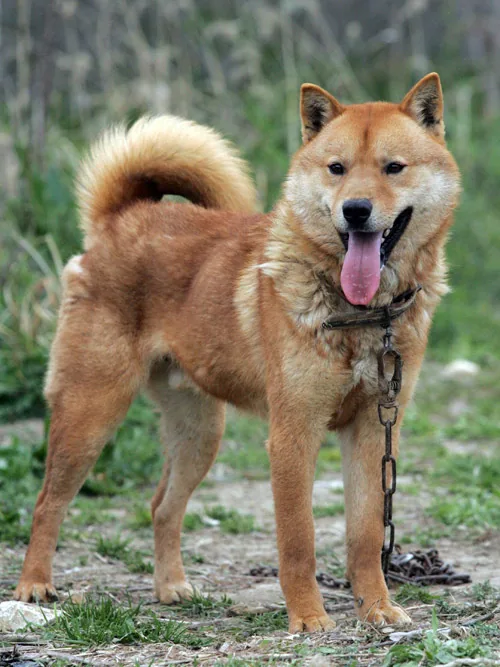
The Korean Jindo is a medium-sized spitz-type dog native to Jindo Island in South Korea. It is one of the country's national treasures, and only dogs born on the island can be officially registered as Jindos by the South Korean government.
The breed is famed for its loyalty and tracking ability. It is alert and intelligent, with a clear sense of family hierarchy, and it needs plenty of activity and interaction.
History
The Jindo was studied by Professor Tamezo Mori in 1937 and registered as a Natural Treasure of the colonial government in 1938. It survived the period of Japanese rule because biologists saw it as similar to Japan's native dogs, while other Korean breeds were killed.
In 1962 South Korea designated it Natural Monument number 53, which protects it and makes exporting pure island dogs difficult. The United Kennel Club registered the breed in 1998 and the FCI in 2005. Jindos walked in the opening ceremonies of the 1988 Seoul Olympics.
Appearance
The Jindo is a squarely built, double-coated spitz-type dog with a keen, alert look and upright, forward-leaning ears that tend to splay slightly to the sides. The tail is thick and carried loosely curled or in a sickle over the back.
Males stand about 48 to 53 cm and weigh roughly 18 to 27 kg, with females slightly smaller. Traditional body types include the stocky Tonggol and the slimmer Hudu.
Temperament
Jindos are known for loyalty and a gentle nature with their own family, though they can be independent and reserved with strangers. They are intelligent and active, and they need frequent interaction with people or other dogs.
Strong hunting and tracking instincts mean they should be handled carefully around small animals. Early socialisation and consistent training are important.
Care and exercise
The Jindo needs daily exercise and mental stimulation. A yard needs a secure fence at least six feet tall, as these dogs are strong, agile jumpers.
The double coat sheds heavily in seasonal blows, and regular brushing, especially during those periods, keeps it in good order. A calm, experienced owner suits the breed best.





