Overview
The Finnish Lapphund is a medium-sized spitz-type dog from northern Finland, traditionally used by the Sami people to herd reindeer. It is among the most popular breeds in Finland, though it remains uncommon elsewhere.
It is a versatile, gentle companion that enjoys family life, activity and training, and it copes well with cold climates.
History
The Lapphund descends from the long-haired herding dogs kept by the Sami across the Arctic north of Scandinavia. These dogs were prized as winter reindeer herders, and genetic studies link them to other northern Sami-related breeds.
After the Second World War the dogs of Lapland were threatened by distemper. Standards were written from the 1940s, and in 1967 the long-coated Finnish Lapphund was formally separated from the shorter-coated Lapponian Herder. It later gained recognition in the UK, Australia and the United States.
Appearance
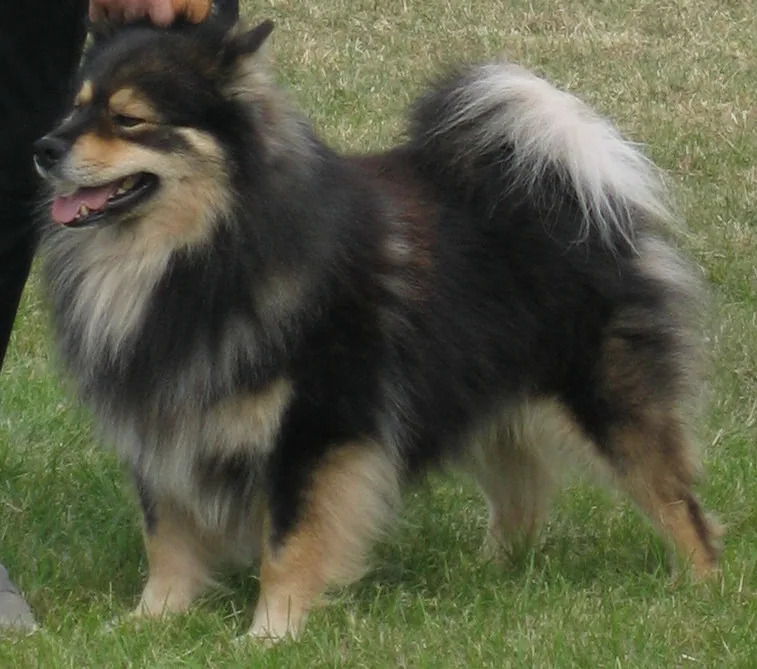
A strongly built, medium-sized dog with a profuse double coat, pricked and very mobile ears, and a tail that curls over the back. Males often show a lion-like mane around the neck.
Many have pale rings around the eyes, called spectacles. Males stand about 46 to 52 cm and females 41 to 47 cm.
Temperament
Lapphunds are friendly, calm and keen to please, and they usually get along well with children, strangers and other dogs. They are alert and will give voice to announce visitors, but they are not aggressive.
They are intelligent and eager to learn, though they can become bored without something to do. They like to be part of the family and dislike being left alone for long.
Care and exercise
Plan on a good daily walk plus play or training. They enjoy agility, obedience, herding, mushing and similar activities.
The coat needs weekly brushing, and daily brushing during the heavy seasonal moults. Despite the thick coat, it is not demanding to maintain and sheds dirt easily. They can overheat, so avoid strenuous exercise in hot weather.
Health
A generally robust breed. Eye problems are the main concern, notably generalised progressive retinal atrophy and cataracts, and breeders test for them. Epilepsy, hypothyroidism, degenerative myelopathy and Pompe disease are also reported.





