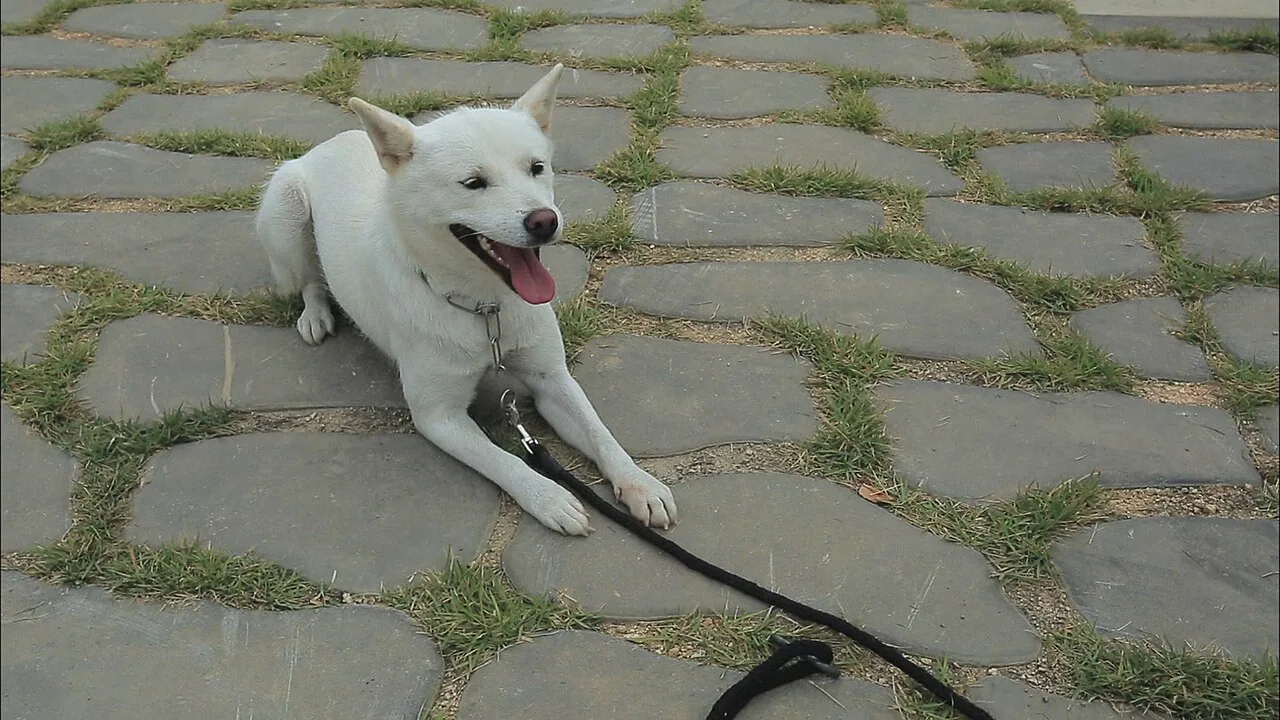
Overview
The Donggyeongi is a naturally bob-tailed Korean native breed from the Gyeongju region. It is endangered, with only about 600 dogs, and has been protected as a natural monument in South Korea since 2012.
Its face resembles the Korean Jindo, but its very short or absent tail sets it apart from other Korean dogs.
History
DNA analysis suggests the Donggyeongi and Jindo split from a common ancestor about 900 years ago. The dog appears in old Korean records and in sixth-century clay figures from around Gyeongju.
During Japanese colonial rule many were killed, including for their skins. Afterwards the tailless dogs were despised or thought deformed, and crossbreeding worsened the decline. Preservation work eventually led to national heritage status.
Appearance
A medium-sized native spitz-type dog with a very short or absent tail, the feature that most clearly distinguishes it from other Korean breeds. The face looks much like that of the Jindo.
Temperament
Native Korean dogs of this type are typically loyal, alert and devoted to their owners, with a hardy, independent streak.
Care and exercise
An active, hardy dog that benefits from daily exercise and a secure yard. Its coat is easy to maintain with regular brushing, and it needs sound early socialisation.





