Overview
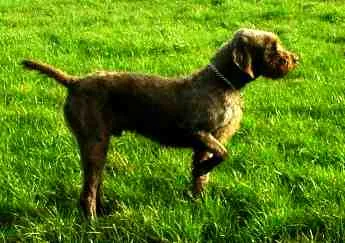
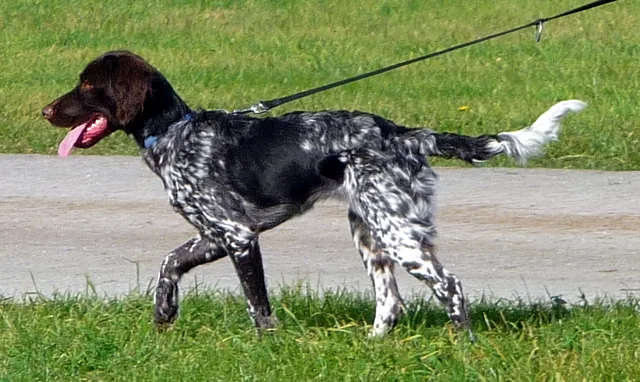
The Drentse Patrijshond, or Dutch Partridge Dog, is a versatile spaniel-type hunting dog from the province of Drenthe. It looks a little like both a spaniel and a setter.
It points and retrieves and works well in fields and marshes. About 5,000 dogs are registered with the Dutch breed club, with further clubs abroad.
History
The breed traces to the 16th century, from spaniel-like dogs that reached the Netherlands from Spain through France and are related to the Small Münsterländer and the Epagneul Français. They appear in Dutch paintings of the 17th century.
In Drenthe, ordinary people had the right to hunt, so these dogs were all-round farm companions that hunted, guarded, played with children and sometimes pulled carts. The breed standard was written in 1943.
Appearance
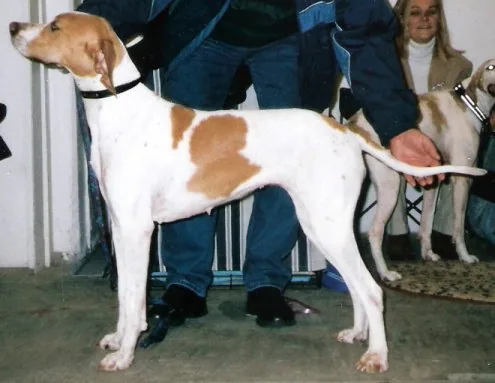
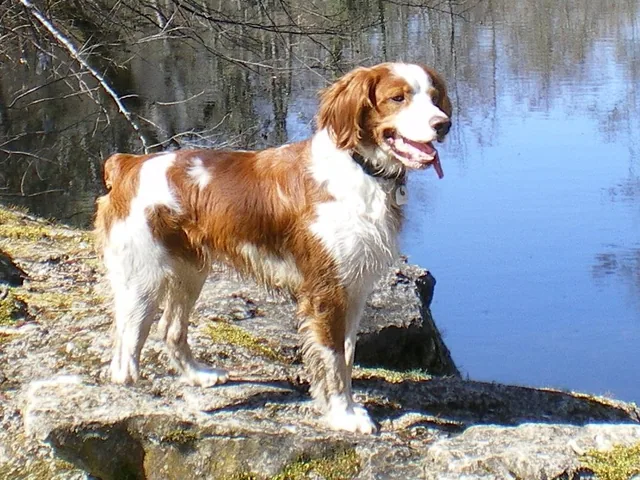
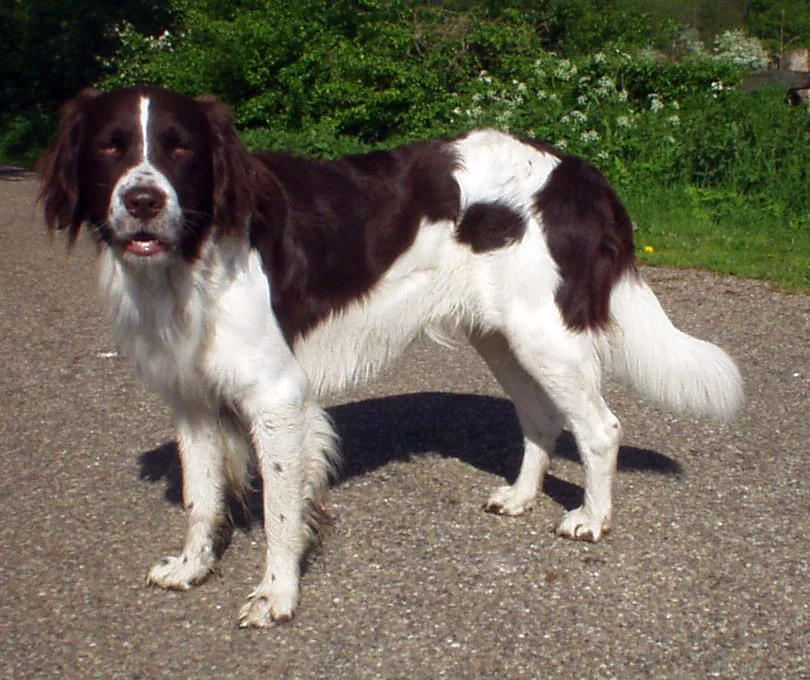
The Drent stands about 55 to 63 cm at the withers and is white with brown patches. White should not touch the eyes or ears, and there is usually one patch over the rump above the tail.
The coat is medium long, with feathering on the legs and longer hair on the chest.
Temperament
In the field the Drent is driven and has a strong hunting instinct, but at home it is calmer than many hunting breeds. It is loyal, strongly attached to its family and sweet, particularly with children.
Care and exercise
The Drent enjoys working alongside people outdoors and needs real daily exercise, though brisk walks around the park can satisfy it. If under-exercised it will suffer. Regular brushing keeps the feathered coat in good condition.
Health
Health concerns may include progressive retinal atrophy and hereditary stomatocytosis. Responsible breeders should screen for hip dysplasia, elbow dysplasia and inherited eye disorders.