No freely licensed photo of this breed yet. The atlas checks Wikimedia Commons every day.

Dikkulak

Spitz & Primitive Small Turkey

The Dikkulak is a small, short-legged spitz from eastern Turkey, kept as a noisy watchdog. It raises the alarm at strangers rather than attacking, and it is rare and declining.

Origin
Turkey
Coat
Short and close-lying
FCI
Group 5 (closest)
  • Alert
  • Vocal
  • Watchful
  • Reserved with Strangers
  • Hardy

At a glance

Overview

The Dikkulak is a small, compact spitz from the eastern provinces of Turkey, the same region that is home to the much larger Kangal. Its job is simple: to keep watch over the home and announce anyone who approaches.

It is a working farm dog rather than a family companion, and it is not often seen outside its homeland. Breeders report that numbers are slowly falling, which makes it a rare local breed.

History

The Dikkulak developed as a local dog in the provinces of Agri, Ardahan, Erzurum, Igdir and Kars in eastern Turkey. Villagers kept it as a small guard, usually tied up near the house or left to roam within an enclosed yard.

It was never bred for show, and breeders today say the population is gradually shrinking.

Appearance

The Dikkulak is small and compact, with short legs and erect ears that give it the typical spitz look. Its build is often compared to that of spitz-type herding dogs such as the Swedish Vallhund and the Pembroke Welsh Corgi.

The coat is short and comes in white, black, brown, tan or piebald.

Temperament

This is a vocal, watchful dog. It announces strangers with a loud bark, but it is not usually inclined to attack. It is wary of people it does not know and does not make friends with visitors quickly.

With its own family it is a devoted guardian, but its independent working nature means it is not an easy-going pet.

Care and exercise

The Dikkulak is a working dog and needs plenty of daily exercise and room to move about. A secure yard is more important than a small flat, and it is not well suited to life as a quiet house pet.

The short coat is simple to look after, and a weekly brush is usually enough. Early socialisation and consistent training help to keep its guarding instincts under control.
More spitz & primitive breeds

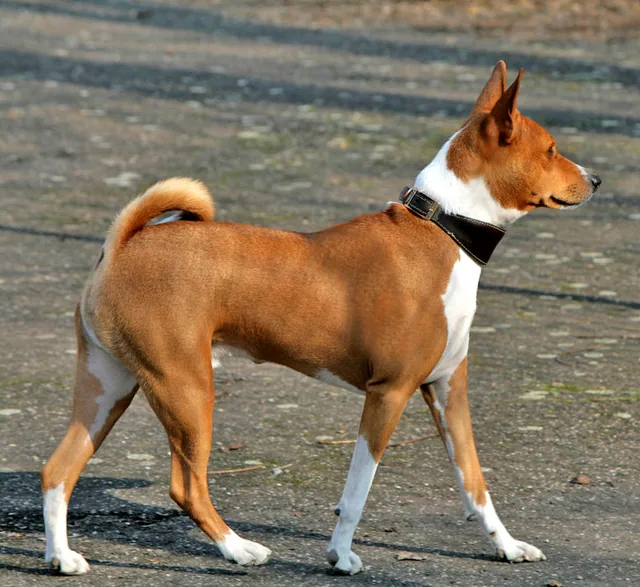
Basenji

Basenji

Spitz & Primitive

A small, elegant African hunting dog known as the barkless dog because it yodels and chortles instead of barking. Cat-like, clean and independent, it is a clever but strong-willed companion.

Small Democratic Republic of the Congo 12–14 years
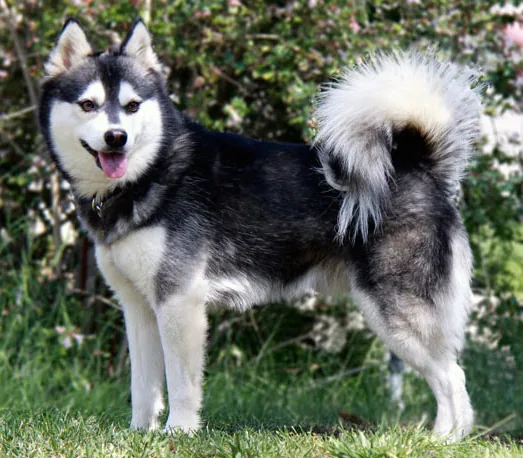
Alaskan Klee Kai

Alaskan Klee Kai

Spitz & Primitive

A companion-sized spitz that looks like a miniature Siberian Husky. Bred in three sizes, the Alaskan Klee Kai is clever, agile and busy, and tends to be reserved with strangers.

Small United States 12–16 years
New Guinea Singing Dog

New Guinea Singing Dog

Spitz & Primitive

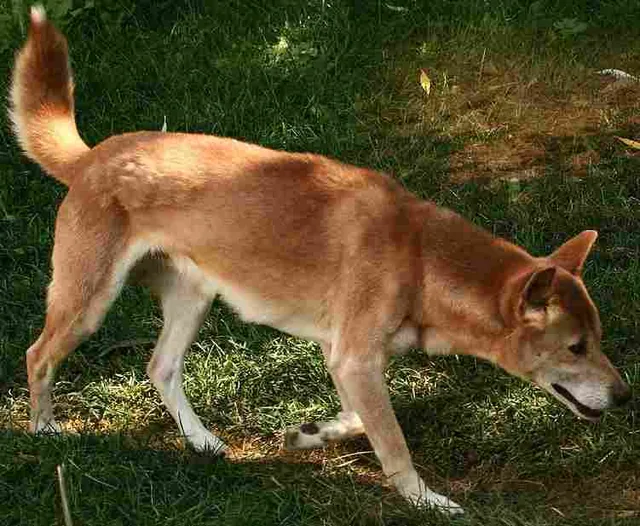
The New Guinea singing dog is an ancient primitive dog of the New Guinea Highlands, closely related to the dingo. It is famous for a melodic, yodel-like howl and for extraordinary agility.

Small Papua New Guinea 15–20 years
Schipperke

Schipperke

Spitz & Primitive

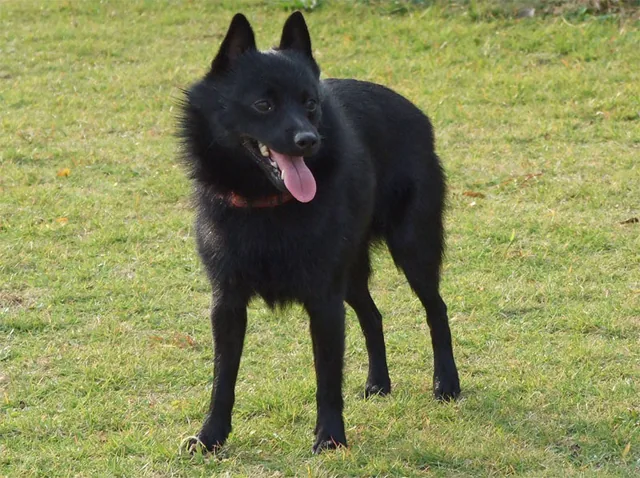
A small, black, fox-faced Belgian spitz with a thick ruff and a big personality. The Schipperke is a watchful, curious little guardian that was once a shepherd's and tradesman's helper in Flanders.

Small Belgium 13–15 years
American Eskimo Dog

American Eskimo Dog

Spitz & Primitive

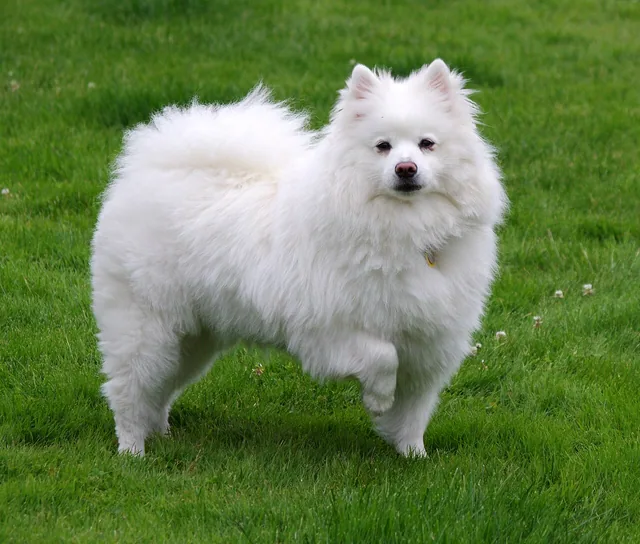
The American Eskimo Dog is a fluffy white Spitz companion that comes in toy, miniature and standard sizes. Despite its name it descends from German Spitz and once starred in American circuses.

Small United States 13–15 years
Japanese Spitz

Japanese Spitz

Spitz & Primitive

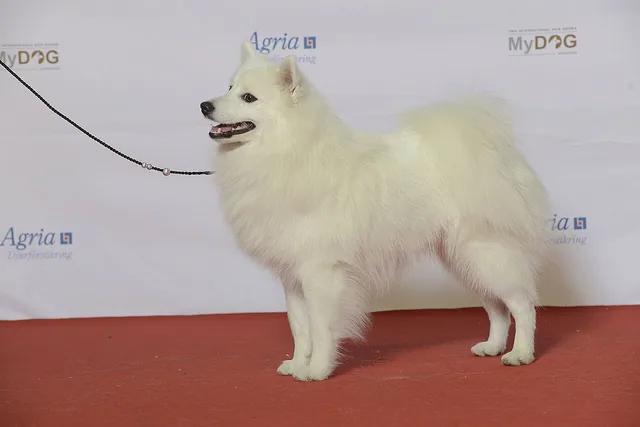
A cloud-like, pure white companion spitz from Japan, with a coat that stays clean almost by itself. Cheerful, devoted and a lively little watchdog, it thrives on being part of family life.

Small Japan 12–14 years