Overview
The Chinook is a muscular, honey-coloured sled dog from New Hampshire. It was designed to be strong and fast, yet friendly and willing.
Today it is mostly a family companion, though it still shines in sledding, skijoring, packing and other active pursuits.
History
The breed was created in the early twentieth century by Arthur Treadwell Walden of Wonalancet. He crossed a Greenland Dog with a large tawny Mastiff and St. Bernard mix, and the best pup, named Chinook, became the foundation sire. Later crosses included Belgian Sheepdogs, German Shepherds and Canadian Eskimo Dogs.
The breed was always rare, and by 1981 only eleven breedable dogs remained. Dedicated breeders saved it. It joined the UKC in 1991 and became an AKC breed in 2013.
Appearance
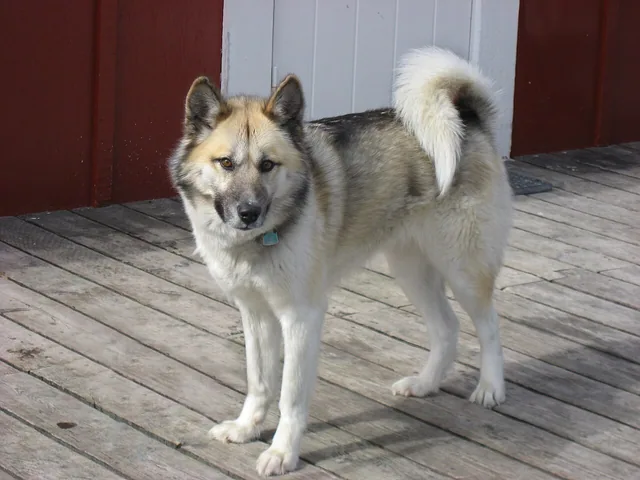
A balanced, muscular dog with a medium-length double coat in colours from light honey to reddish-gold. Dark markings on the ears and muzzle are preferred, and black markings in the corners of the eyes are typical.
The eyes are brown to amber, the ears usually drop, and the head is more rectangular than in many sled breeds. The tail is a well-furred saber rather than a plume.
Temperament
Affectionate, playful and gentle, with special devotion to children. It is willing, eager to please and quick to learn.
It is sociable with other dogs, working well in teams, and may be reserved with strangers without being shy or aggressive.
Care and exercise
A strong working dog, it needs daily vigorous exercise and enjoys pulling, hiking, running and training. It thrives on being part of the family.
Brush regularly and more often during seasonal shedding. Early socialisation and positive training are rewarding.
Health
Known issues include epilepsy, hip dysplasia and atopy, and cryptorchidism occurs in some males. Because the population is small, health screening and careful breeding matter.