Overview
The Australian Cobberdog grew out of the Australian Labradoodle story. Breeders at two Australian research centres wanted a more consistent dog than the many loosely bred Labrador and Poodle crosses on offer, and they set out to fix temperament and coat on purpose.
It is bred above all as a companion, therapy and assistance dog. Its registry, the MDBA, treats it as a breed with its own standard, although the large kennel clubs do not recognise it.
History
Wally Conron first crossed a Labrador Retriever with a Poodle in Australia, hoping for a guide dog with a low-allergy coat. The idea became hugely popular, and many careless breeders soon used the name for any cross, with no thought for temperament or coat.
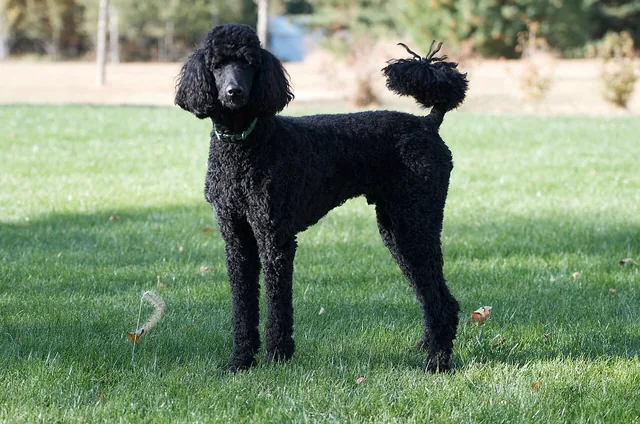
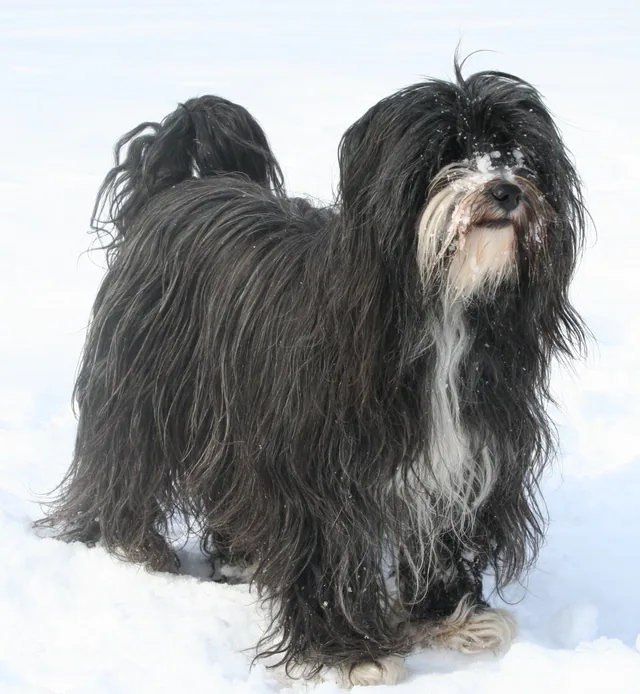
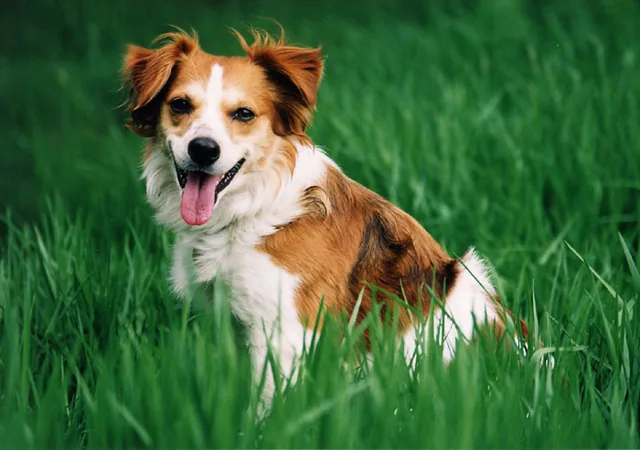
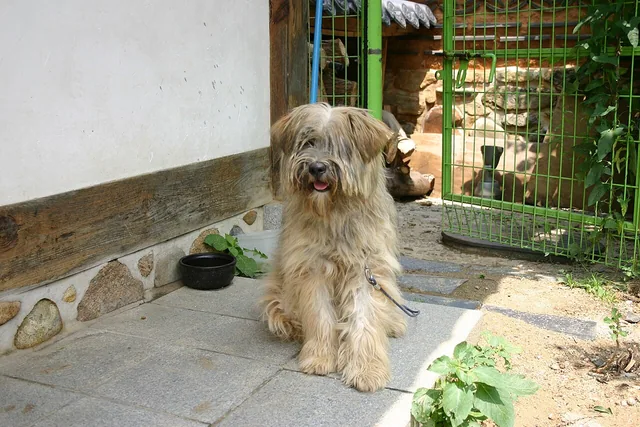
In the early 2000s one Australian breeder added Irish Soft-coated Wheaten Terriers and left the main Australian Labradoodle association to follow a stricter plan. The result drew on at least eight breeds. It was accepted by the MDBA registry in 2012 as a new breed in development.
Appearance
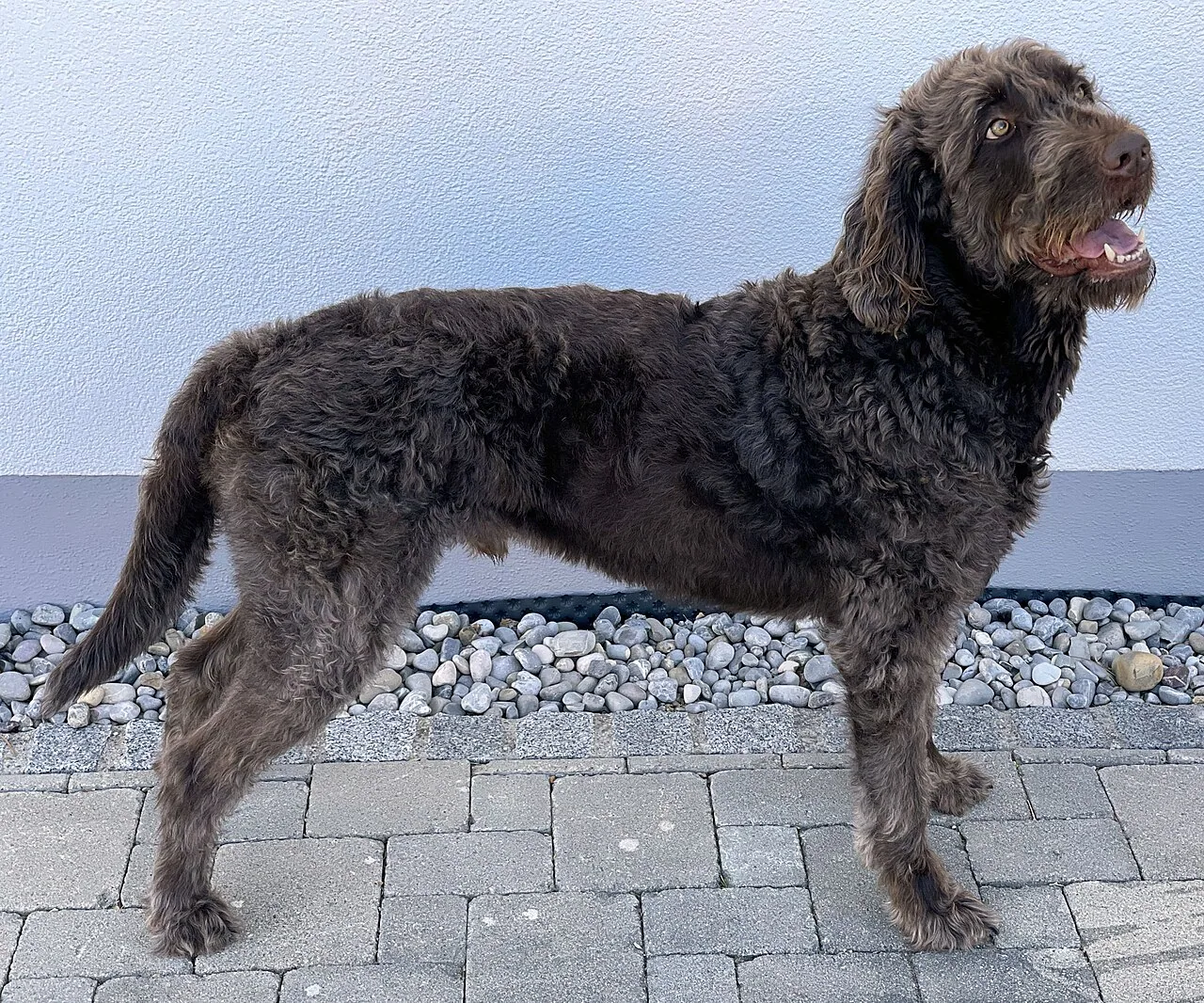
Cobberdogs come in several sizes, so a family can choose a smaller or larger dog. The body is balanced and softly built, with a gentle expression, dark eyes and a coat that is wavy or fleecy and low in shedding.
A wide range of colours appears, from cream and apricot to red, chocolate, black and parti colours.
Temperament
The breed was designed around temperament. Cobberdogs are meant to be calm, soft-natured and very tuned in to people, which suits families and assistance work alike.
They are intelligent and eager to please, and they usually get on well with children and other pets. They dislike being left alone for long stretches.
Care and exercise
Daily walks and play are enough for most Cobberdogs, along with some mental work such as training games. Early socialisation and gentle, reward-based training bring out the best in them.
The fleecy coat needs regular brushing to prevent matting, plus an occasional trim. Check and clean the ears often.
Health
Breeders using health testing aim for sturdy dogs, but the breed is young and the long-term picture is still forming. Hip and elbow problems, eye disease and ear infections are concerns in related Labrador and Poodle crosses. Ask for health test results before buying.