Overview
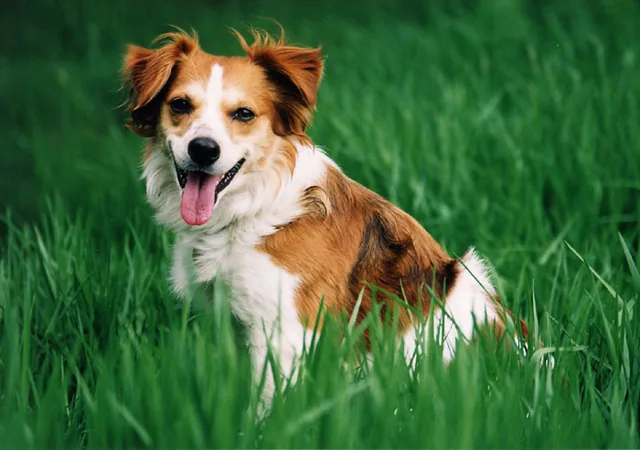
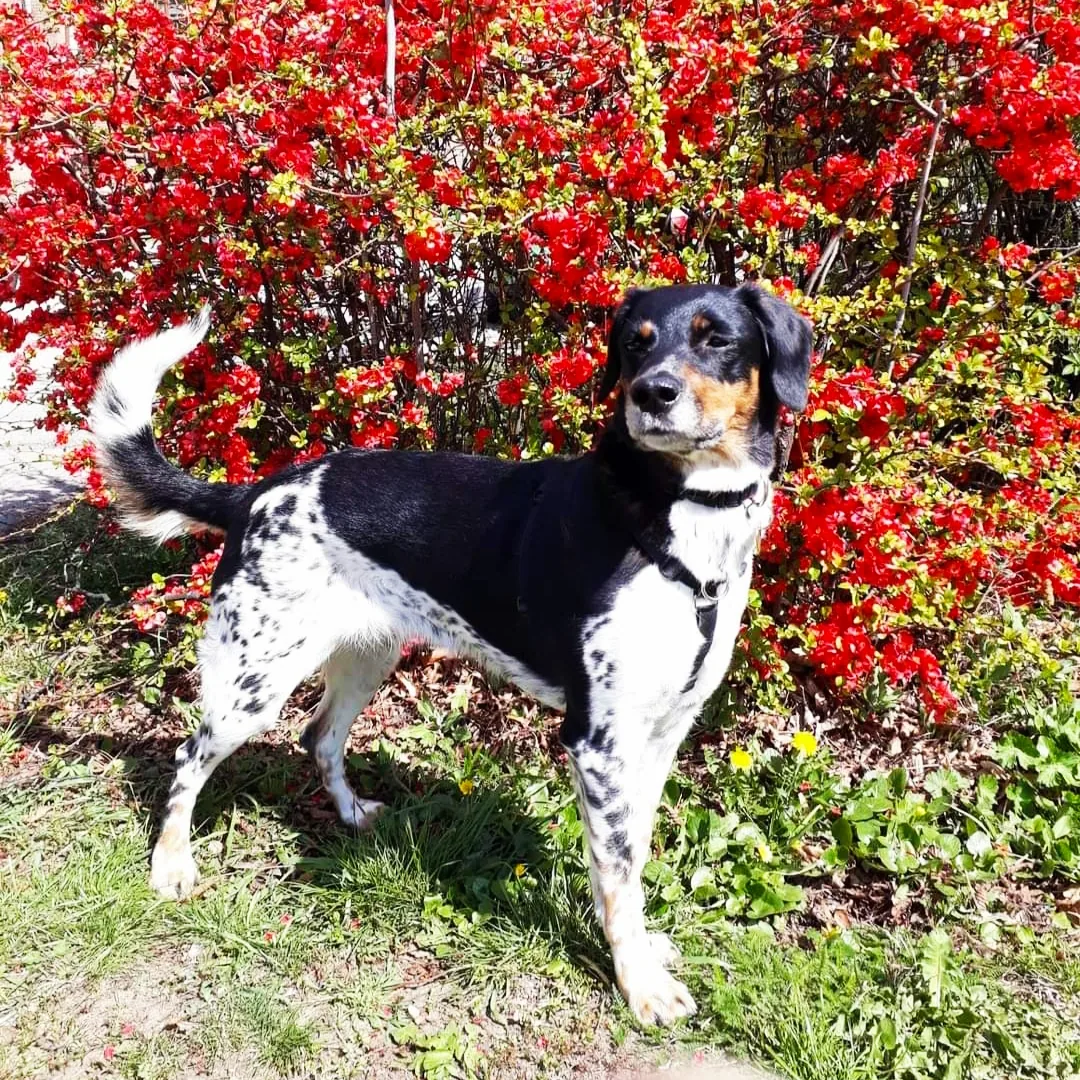
The Bohemian Spotted Dog is a medium-sized, tricolour dog with a kind, outgoing nature. It was originally bred for laboratory work but is now mainly a family companion.
It is recognised by the Czech Kennel Club but not the FCI, and only about 600 dogs existed in 2022.
History
Czech cynologist František Horák wanted a perfect laboratory dog, of suitable size, with a smooth coat, high fertility, a good nature and low food needs. The first puppies were born in 1954, and the breed was shown publicly in 1961.
In 1981 dogs were given to breeders, who named them. The breed nearly died out until enthusiasts gathered 11 dogs across the country and a new litter in 1994 gave it fresh hope.
Appearance
A medium-sized dog, males 45 to 53 cm and females 43 to 51 cm at the withers, with a harmonious, not heavy, slightly rectangular body and folded ears.
There are short-coated and long-coated types, both with undercoat. The coat is tricolour with a 1:1 ratio of dark to white, and dark base with yellow markings.
Temperament
Kind, outgoing and non-aggressive, it is an excellent companion for inexperienced owners. It is very friendly towards people and other dogs and will bark at strangers, so it is also a reasonable watchdog.
It is playful, active and bonds closely with its family, and it enjoys sports like agility and dog dancing and works as a therapy dog.
Care and exercise
This is an active dog that enjoys daily walks, play and sports. Early training and socialisation help it get along with other animals.
Coat care is simple, with regular brushing, a little more for the long-coated type.