Overview
The Tibetan Terrier is a medium-sized, shaggy dog from Tibet that was kept in monasteries for centuries. Despite the name, it is not a terrier; European travellers gave it the name because it resembled terrier breeds they knew.
It is an affectionate, lively family dog, sensitive to its owner's moods. It is reserved with strangers and has a deep bark, and it enjoys agility, obedience and other activities.
History
Tibetan Terriers have been bred in the monasteries of Tibet for around 2,000 years. They served as good luck charms, mascots, watchdogs, herders and companions, and were also used to retrieve items that fell down mountainsides.
Dr Agnes Greig brought the first one to Europe in 1922 after she was given a puppy named Bunti in thanks for her medical work. The first litters were registered as Lhasa Terriers, and the name was changed in 1930. The American Kennel Club recognised the breed in 1973. It has contributed to breeds such as the Shih Tzu and Lhasa Apso.
Appearance
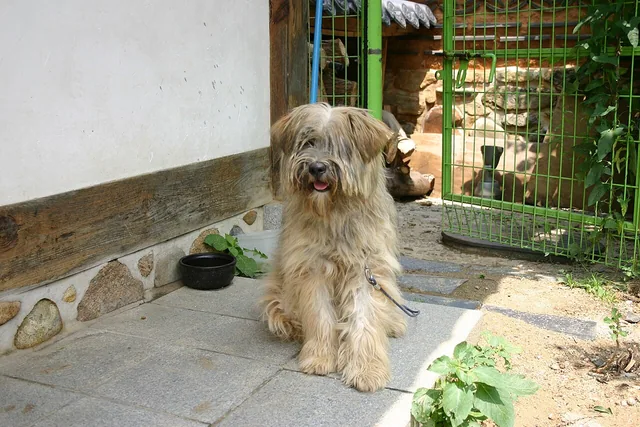
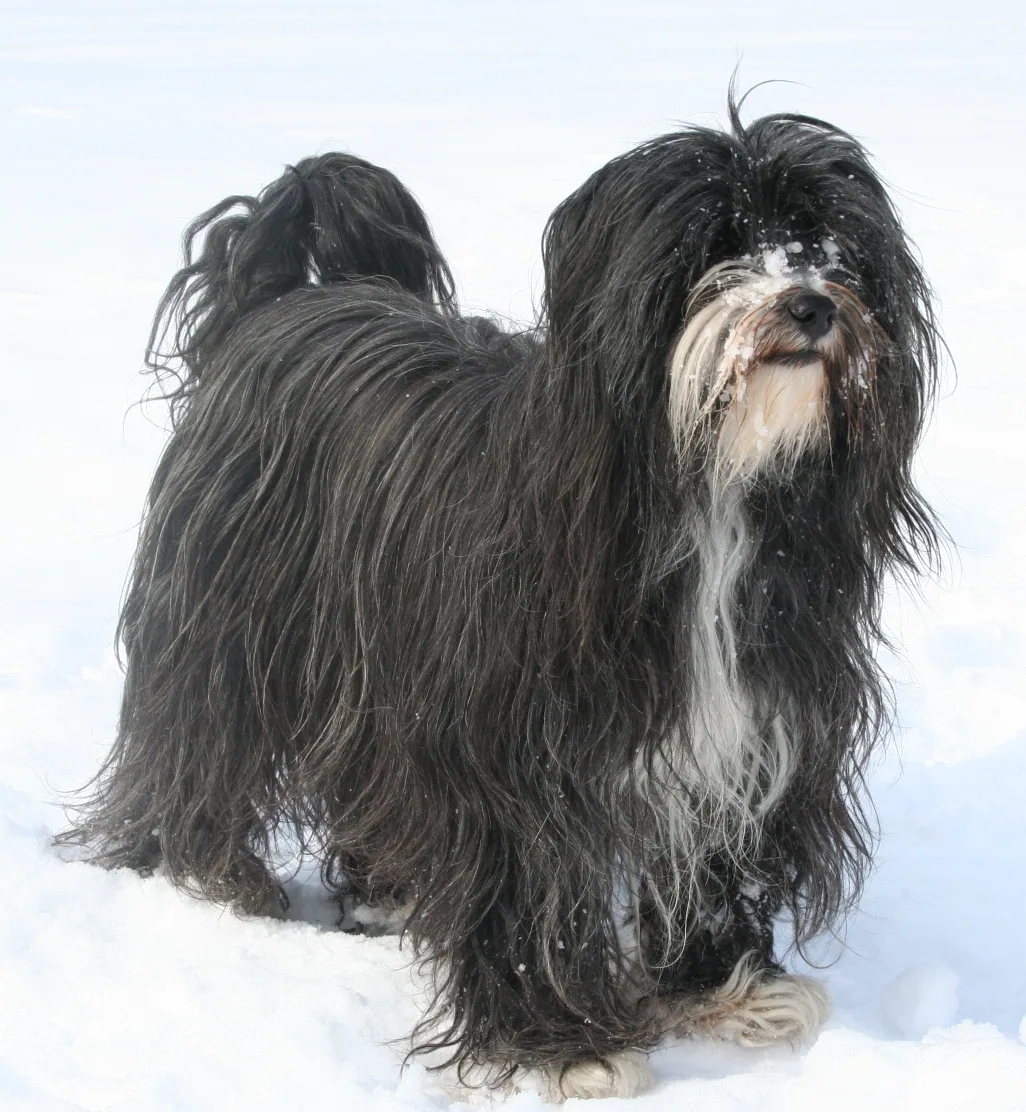
The Tibetan Terrier is a powerful, square, medium-sized dog with a profuse double coat, and it resembles a miniature Bearded Collie. It stands about 35 to 41 cm tall and typically weighs 8 to 14 kg.
The head is covered by a fall of hair, the tail curls over the back, and the broad, flat feet with hair between the toes work like natural snowshoes. The coat is wavy, never silky, and may be almost any colour.
Temperament
The breed is amiable, affectionate and sensitive to its owners, and it is usually gentle with older children. As a former watchdog it tends to be reserved around strangers, and it has a deep bark and a tendency to bark a lot.
It is intelligent, determined and clever, which can make it stubborn. Some dogs guard their resources, so introductions to other pets should be handled carefully.
Care and exercise
Although suitable for apartment life, the Tibetan Terrier is energetic and needs regular daily exercise and activities such as agility, flyball or tracking. It thrives on company.
The long coat does not shed in the usual way and must be brushed thoroughly several times a week to prevent matting. Occasional trimming is helpful for pets.
Health
The breed can carry neuronal ceroid lipofuscinosis, a form of Batten disease, for which a DNA test exists. It is also among the breeds commonly affected by primary lens luxation. A 2024 UK study found a life expectancy of 13.8 years.