Overview
The Australian Kelpie is a medium-sized herding dog developed in Australia to muster sheep, cattle and goats over large distances. It is lean, athletic and exceptionally keen to work.
The breed exists in working and show lines, and the working type in particular needs a great deal of activity and a real job.
History
Kelpies descend from collie-type dogs brought from Britain in the nineteenth century and bred for working sheep with little supervision. The first dog called Kelpie, a black and tan pup, was bought around 1872 and named after the Celtic water spirit.
Her daughter's success at the 1879 Forbes Trial made the type famous, and the strain was soon known as Kelpies. Today the breed has been exported worldwide and is used for herding, tracking and search work.
Appearance
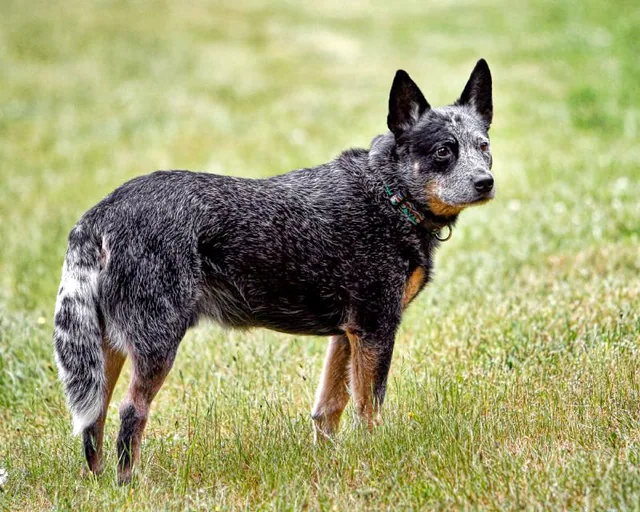
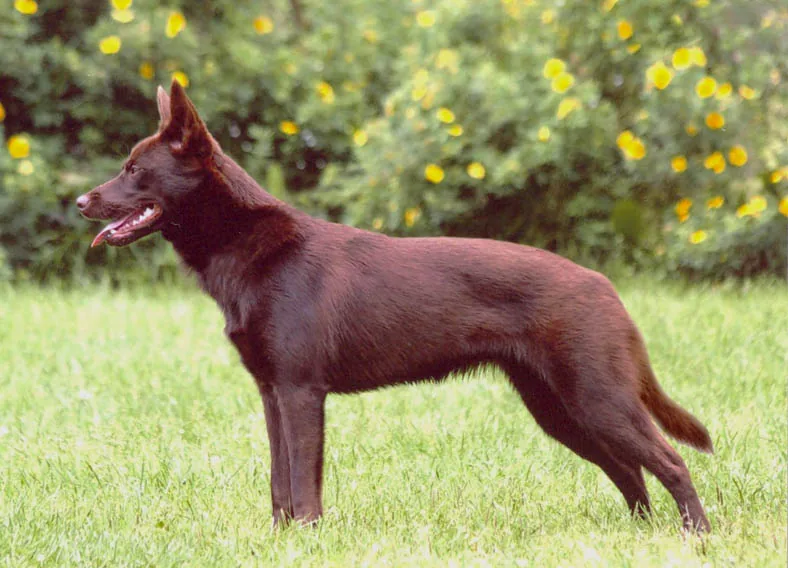
The Kelpie is a lean, athletic, medium-sized dog with prick ears and a soft, close coat. It typically stands 41 to 51 cm and weighs 14 to 20 kg, though working dogs vary more.
Colours include black, red, blue, fawn and cream, with or without tan. Show Kelpies have a double coat, while working dogs may have short, smooth or rough coats.
Temperament
Kelpies are bright, alert and devoted, with a work ethic that borders on obsessive. They are good with family and children, but their herding drive may lead them to nip at heels.
Without enough exercise and mental stimulation, they become bored and may bark, dig or chew. They are quick learners and excel at agility and herding trials.
Care and exercise
A Kelpie needs hours of vigorous activity each day plus problem-solving tasks, so it is best suited to active owners or farms. Running, herding, agility and obedience are good outlets.
Grooming is easy: weekly brushing, with heavier shedding in spring. Early training and socialisation help channel their drive.
Health
Kelpies are hardy with few health problems, though they can suffer from cryptorchidism, hip dysplasia, cerebellar abiotrophy and luxating patella. A UK study estimated a life expectancy of about 12 years.