Overview
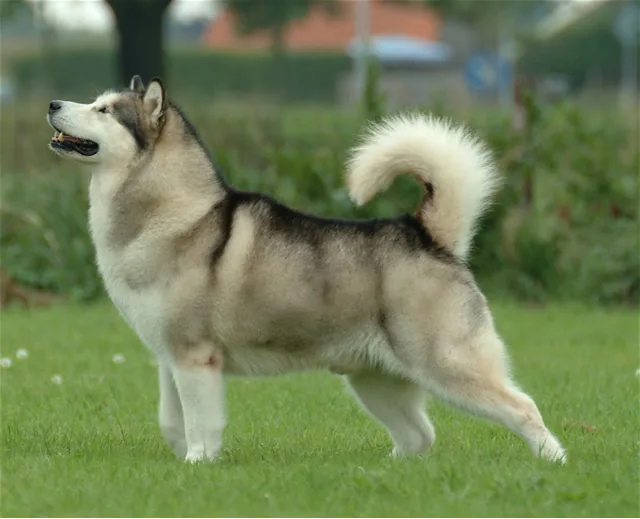
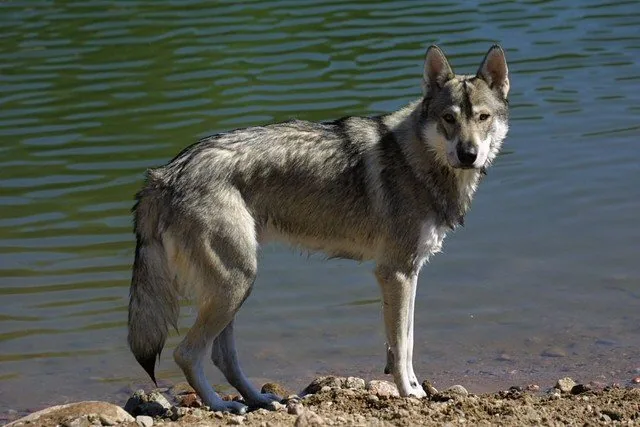
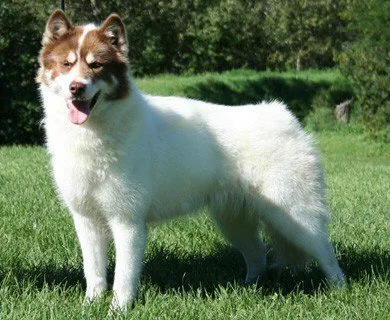
The Argentine Polar Dog was bred by the Argentine Army to pull freight around its bases in Antarctica. It was a cross of spitz-type sled dogs such as the Alaskan Malamute, Siberian Husky, Greenland Dog and Samoyed.
It was a strong, willing worker with a remarkable instinct for hidden hazards on the ice. The breed is now extinct.
History
The breed began in 1949, when Colonel Hernán Pujato gathered 40 dogs in North America to support Argentina's polar ambitions. They were selectively bred, and the dogs became key to logistics at San Martín Base, founded in 1951.
A 1991 protocol to the Antarctic Treaty required non-native species to be removed. The last dogs were relocated in 1993 and 1994, and with no immunity to common diseases, most died soon afterwards and the breed ended.
Appearance
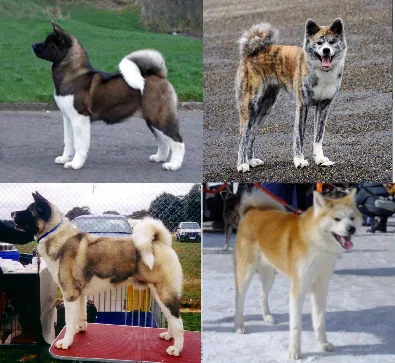
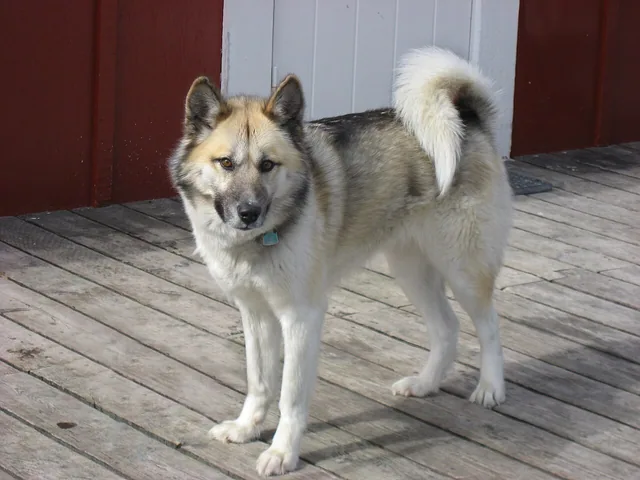
A well-rounded dog standing 50 to 60 cm tall, with males around 60 kg and females about 52 kg. It resembled the Malamute, with small upright ears, dark brows and light blue eyes, and a tail arched over the back.
The triple-layered fur combined a visible outer coat with a dense, cotton-like undercoat, in a blend of light brown, white, black and grey.
Temperament
Temperaments varied widely. Most dogs were loyal and tender with their handlers and eager to pull, but could be violent with other dogs, and fights could be deadly.
They communicated by long, high-pitched howls, and the pack often howled in chorus.
Care and exercise
These were working dogs fed on high-calorie pemmican, sometimes with seal meat. A working day ran about 8 to 9 hours hauling loads roughly equal to their own weight.
They were driven by voice rather than whip, with the smartest dog leading teams of 7, 9 or 13 in yokes.
Health
Isolated in Antarctica, the dogs had no immunity to common canine diseases, and most died soon after being moved to mainland Argentina.