Overview
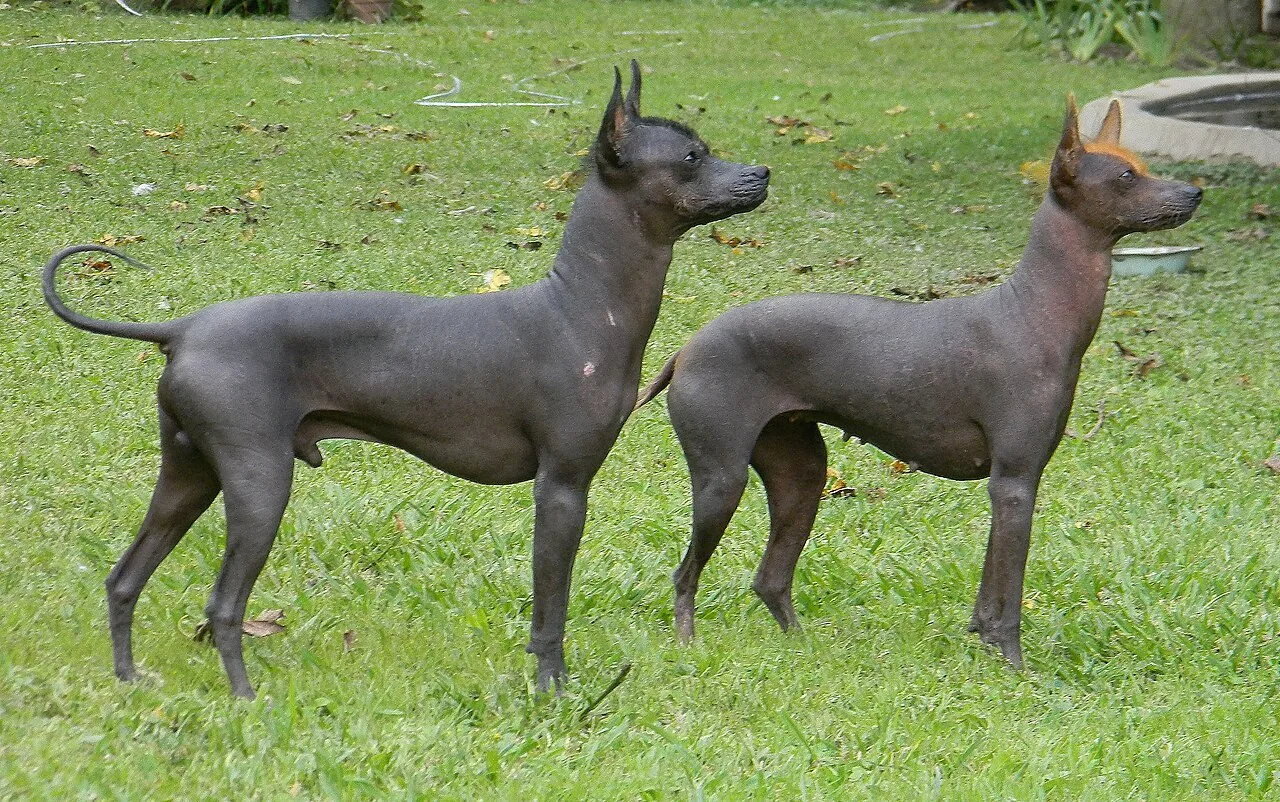
The Argentine Pila is a hairless breed from Argentina, recognised by the national kennel club in 2007. It belongs to the broad South American hairless family but is a distinct breed in its own right.
Only a small population exists, mostly in the northern province of Salta. It is valued as a devoted companion and a living piece of the country's canine heritage.
History
Hairless dogs have lived in South America for many centuries, and the Pila descends from this old tradition. Over time, local dogs in northern Argentina were kept as household companions and bedwarmers.
The Asociación Canina Argentina recognised the breed in 2007. Today an estimated 1,700 dogs exist, largely in Salta province, so the breed remains rare.
Appearance
The Pila is a hairless dog, usually dark-skinned or light-skinned with dark spots. Its skin is smooth and warm to the touch. Some individuals carry a little hair on the head, tail or feet.
Hairlessness comes from a dominant mutation in the FOXI3 gene, which also affects tooth development, so missing or irregular teeth are common.
Temperament
Pilas are typically affectionate, loyal and attentive, bonding closely with their family. They are alert and often wary of strangers, making them natural watchful companions.
They are intelligent and enjoy being close to their people, and they do best when included in daily life.
Care and exercise
Hairless skin needs protection: sunscreen or light clothing in strong sun, and a warm coat or blanket in cold weather. Moisturising occasionally and gentle bathing help keep skin healthy.
Moderate daily walks and play are enough. Dental care deserves attention because of the breed's tooth differences.
Health
The FOXI3 mutation causes dental differences, including missing teeth, so mouth care matters. Skin is prone to sunburn, dryness and blemishes. Beyond this, the breed is generally considered hardy.





