Overview
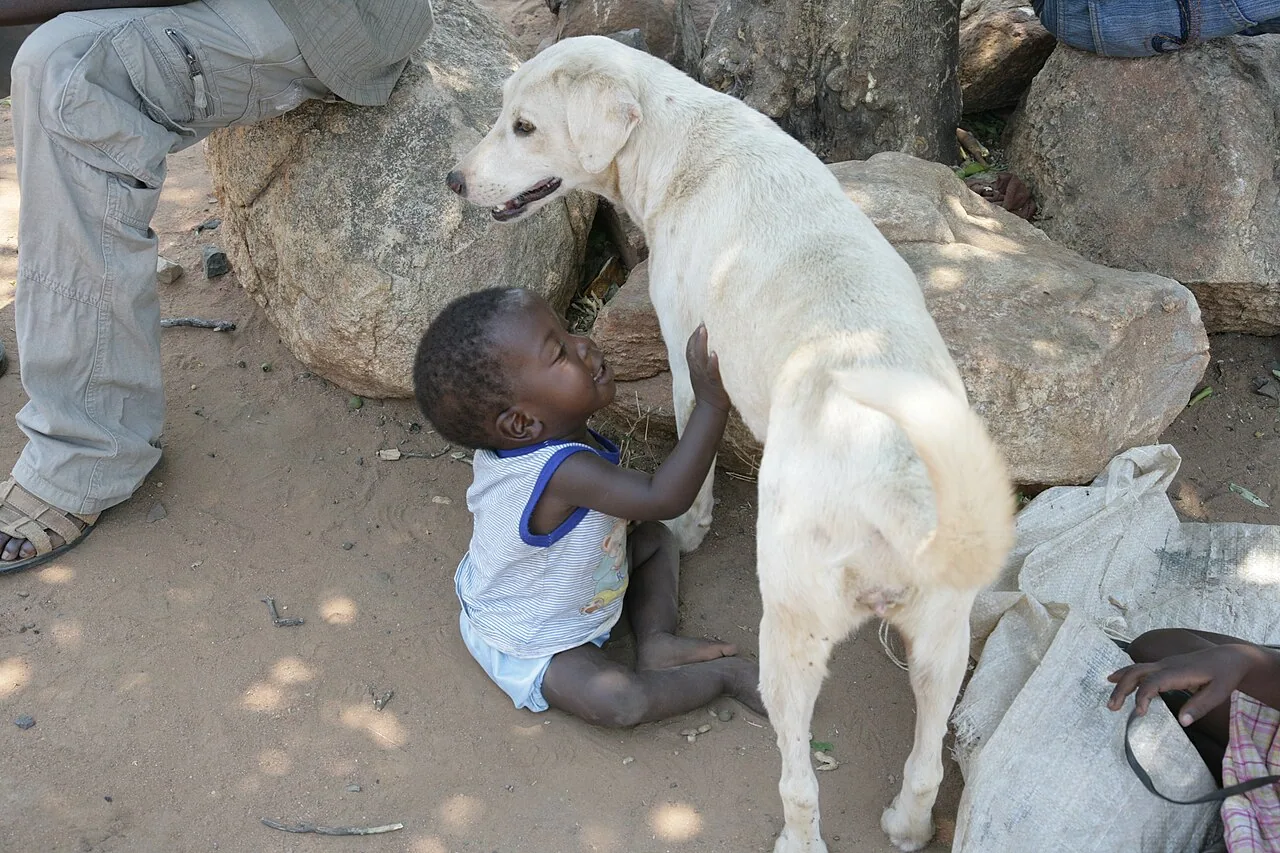
African village dogs are the indigenous dogs of Africa, living alongside people in villages and towns. They were not formally bred and remain landraces rather than registered breeds, apart from the Basenji, which has been standardised.
They vary a lot in size and look, from small ratters to large hunting dogs, depending on region and local use.
History
The oldest dog remains found in Africa are about 5,900 years old, from Egypt's Nile Delta, with others from the Nile in Sudan. Dogs seem to have arrived from Asia at about the same time as domestic sheep and goats, and then spread with herders across the continent.
A 2009 genetic study found that village dogs are a mosaic of early native dogs and more recent non-native dogs.
Appearance
There is no single look. Many are lean and medium-sized with erect ears, a short coat and a curled tail, but local types range from small, reddish terrier-like dogs to tall, greyhound-like hunters. Colours include fawn, red and piebald.
Temperament
Typical village dogs are hardy, alert and resourceful, with strong survival instincts and independence. They often work as guards, hunters or ratters, and many live semi-free around households.
Care and exercise
These dogs are used to simple, outdoor lives. Those adopted into homes generally need regular exercise, socialisation and basic preventive veterinary care, but little grooming.
Health
Free-living village dogs are often tough and naturally selected, but they face risks from parasites, infectious diseases and lack of veterinary care.





