Overview
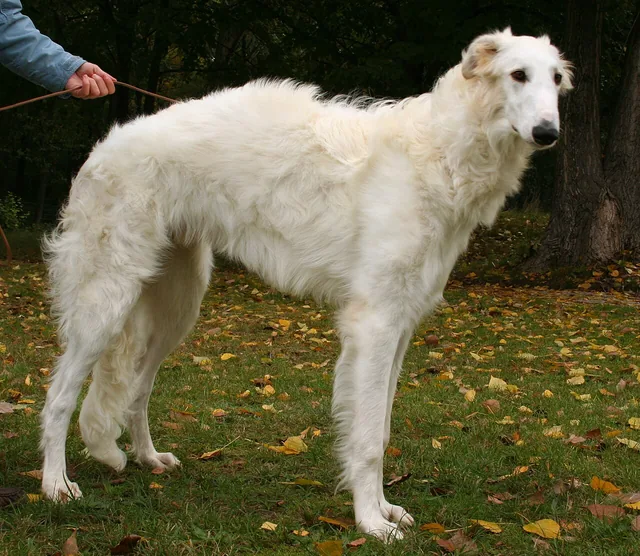
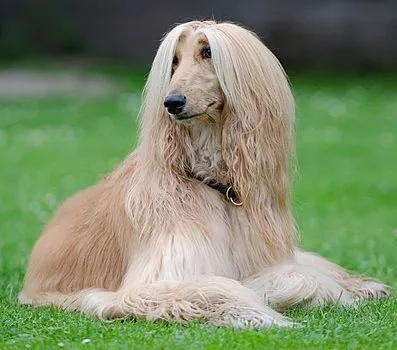
The Afghan Hound is one of the oldest sighthound breeds, developed in the cold mountains of Afghanistan for coursing game. Its flowing coat, topknot and ring-tipped tail give it an unmistakable, aristocratic look.
It is dignified with a silly side, fast and athletic, and independent enough that obedience is never its strong point. It suits owners who love grooming and can offer secure space to run.
History
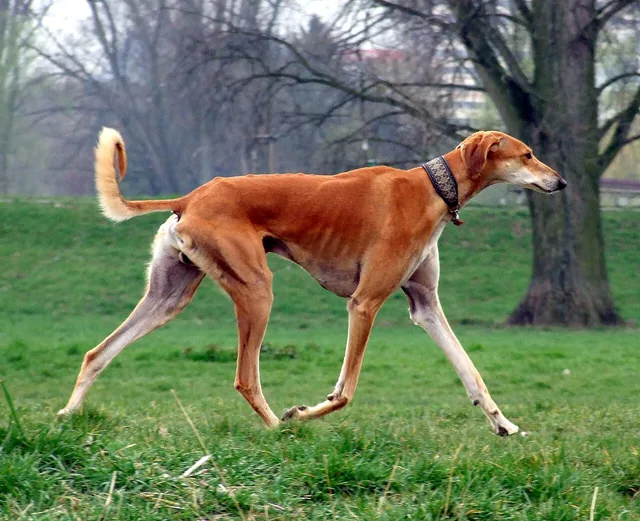
Genetic studies place the Afghan Hound among the most ancient breeds, closely related to the Saluki. It is kin to similar long-haired hounds of central Asia such as the Tazy and Taigan.
British officers brought such hounds home from India and Afghanistan in the 1800s, calling them Persian Greyhounds. A dog named Zardin, imported in 1907, inspired the first standard in 1912. Two later strains, the lightly coated Bell-Murray hounds from Balochistan and the heavier-coated Ghazni hounds from Kabul, blended into the modern breed, and a new standard followed in 1948. Today it is mainly a show dog, pet and lure-coursing competitor.
Appearance
A tall, lean hound with high hip bones, a long narrow head with a topknot, large paws that act as shock absorbers, and a tail ending in a small ring.
The long, fine, silky coat covers most of the body, with shorter hair on the back forming a saddle. Many dogs have a dark mask, and some males carry a beard known as a mandarin.
Temperament
Reserved and dignified with strangers, but affectionate with its own people and surprisingly goofy at play. It has a strong prey drive and may chase cats and small animals.
It is intelligent in its own way but independent and slow to obey; sighthound trainers consider it among the least obedient breeds. Gentle, reward-based training works best.
Care and exercise
Needs a securely fenced space for sprinting and regular walks on lead, since it will chase anything that moves and may not return. It is happiest living indoors with its family.
The coat needs thorough brushing several times a week and regular bathing to avoid mats. Introduce grooming early and keep it positive.
Health
Generally healthy, but sensitive to anaesthetics, as are other sighthounds. Hip dysplasia, cataracts, thyroid problems and bloat can occur, and some lines are prone to a degenerative nerve condition of the spine.