Overview
The Yakutian Laika is a spitz-type working dog from the Yakutia region of Siberia, where the native Yakut people have relied on it for thousands of years. It is a true all-rounder, pulling sleds, herding reindeer and hunting game.
While most laikas are mainly hunters, this one is above all a sled dog. It copes with extreme cold and long working days, and it is gentle with people when well socialised.
History
Yakut people developed these dogs as indispensable helpers and companions, and archaeological finds of dogs with sled remains in the region date back thousands of years. In the Sakha language the dog is simply called the Yakut dog.
Numbers fell sharply from the 1940s onwards as mechanisation, changes in farming and reindeer herding, and less fur hunting reduced the need for them. The population hit a low of about 3,000 in 1998, after which revival efforts began. Two dogs were even cloned in 2017 to help preserve the breed.
Appearance
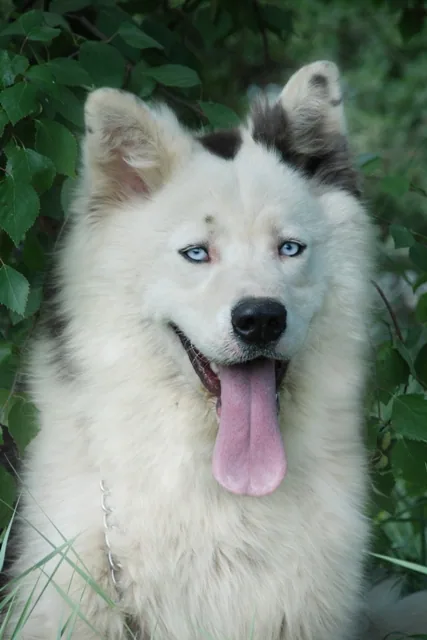
A medium-sized, sturdy spitz with a strong, well-muscled body built for endurance. It has a wedge-shaped head, upright triangular ears and a thick tail carried curled over the back. The dense double coat protects it from harsh Siberian winters.
Temperament
Friendly with people, hardy and eager to work, the Yakutian Laika bonds with its family and enjoys being part of a team. It tends to work in small groups and has a strong hunting drive, so it may be tough on predators and small animals. Early socialisation keeps it gentle and confident.
Care and exercise
This breed needs plenty of vigorous daily activity and thrives with a job such as sledding, skijoring or long hikes. It tolerates cold very well but can struggle in heat. Brush the dense coat regularly, especially during heavy seasonal moults. A secure fence is important because of its hunting instincts.
Health
Generally a robust and hardy breed shaped by harsh working conditions. Little breed-specific health data exists, and its small population makes maintaining genetic diversity a concern.





