Overview
The Thai Ridgeback is a muscular, medium-sized dog from Thailand, easily recognised by the ridge of hair running along its spine in the opposite direction to the rest of the coat.
It is a primitive type, independent and clever, and best suited to experienced owners who can offer firm, consistent leadership, plenty of activity and early socialisation.
History
The Thai Ridgeback is an old dog of Thailand, long kept in rural areas as a hunter and watchdog. Few dogs had contact with the outside world, which helped keep the type remarkably consistent.
The ridge is shared with the Rhodesian Ridgeback and the Phu Quoc Ridgeback of Vietnam. Research suggests the ridge mutation in all ridgeback dogs comes from a common ancestor, though where it first arose is still a mystery.
Appearance
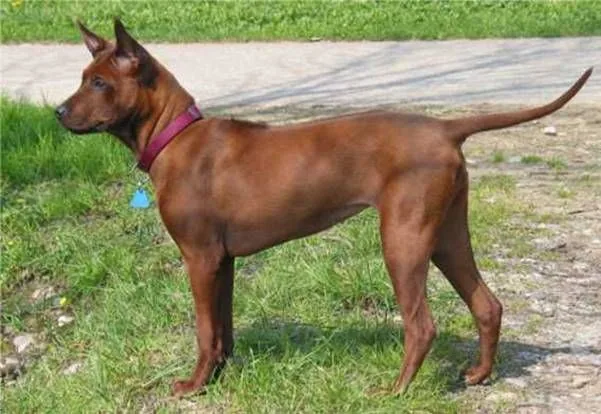
This is a medium-sized, athletic dog with a wedge-shaped head, pricked ears and a short, close-lying coat. The defining feature is the ridge on the back, where the hair grows forward.
Eight ridge patterns are recognised: needle, feather, arrow, lute, violin, bowling pin, leaf and saddleback. All are accepted if clearly defined and symmetrical, and a broader ridge is more highly valued.
Temperament
Thai Ridgebacks are loyal, alert and intelligent, and they bond closely with their own people. They can be wary of strangers and are often strong-willed, so they do best with confident owners.
With good socialisation they are devoted companions. Their strong prey drive and independent streak mean they should be trained patiently and kept safely contained outdoors.
Care and exercise
This is an active dog that needs daily exercise, such as brisk walks, runs and games, and mental stimulation to avoid boredom. Early socialisation and consistent training are very important.
Grooming is easy. A weekly brush with a rubber curry brush keeps the short coat gleaming. It sheds all year, but not heavily, and needs a bath only once or twice a year.
Health
Thai Ridgebacks are generally hardy. The ridge is linked to a risk of dermoid sinus, a skin defect along the spine, so buyers should choose breeders who check for it. Hip dysplasia can also occur.





