Overview
The Spanish Mastiff is a very large, powerful guardian with a serious expression and a booming voice. For centuries it has accompanied flocks across Spain to defend them from wolves and other predators.
At home it is calm, noble and deeply loyal to its family, though its size, protective instinct and need for early socialisation mean it suits experienced owners with space.
History
Mastiffs are thought to have guarded livestock in Iberia since before Roman times. In medieval times they accompanied sheep and goats on the long seasonal migrations from north to south, wearing spiked metal collars as protection against wolves.
The first FCI standard was written in 1946, and in 1981 a Spanish breed association began a programme to recover the large, strong mastiff of earlier times. Traditional working strains still exist and keep guarding flocks.
Appearance
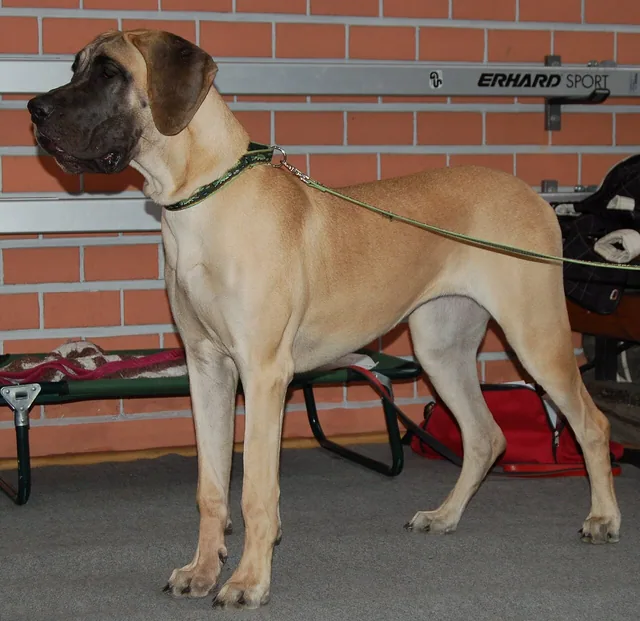
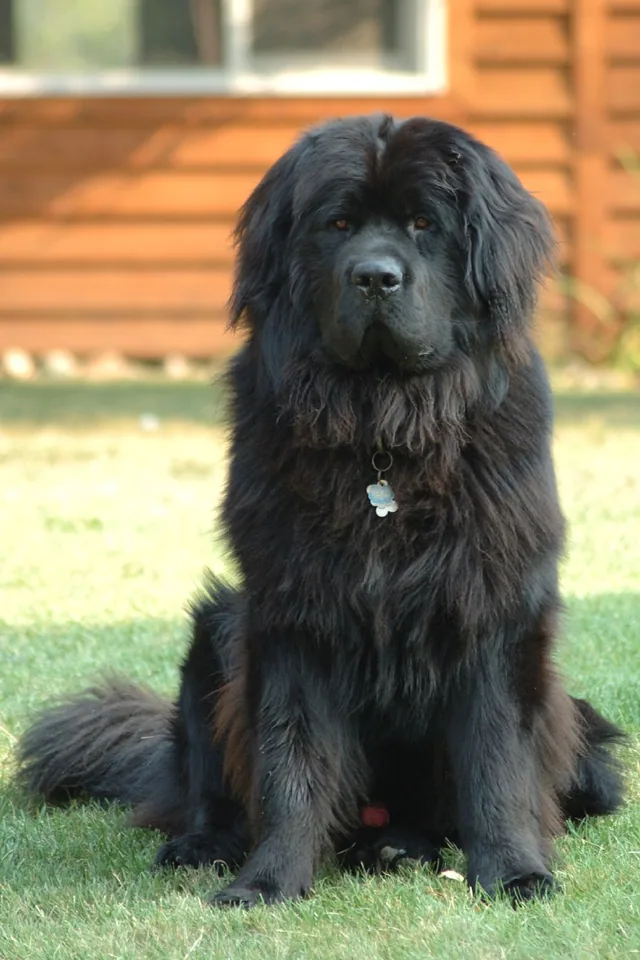
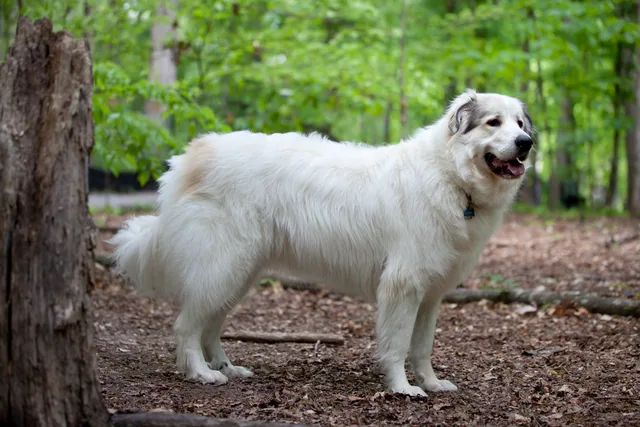
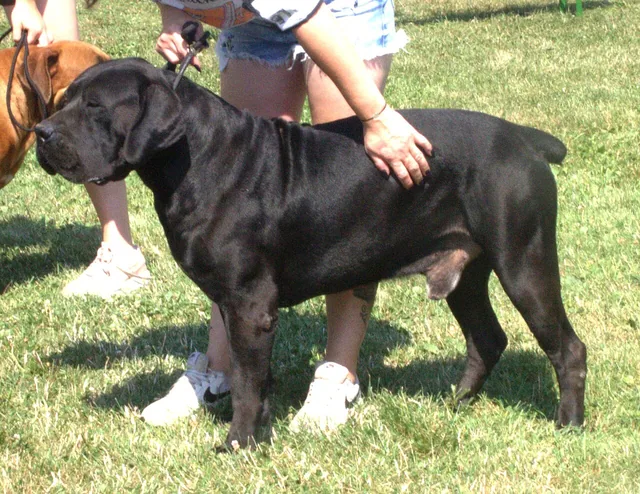
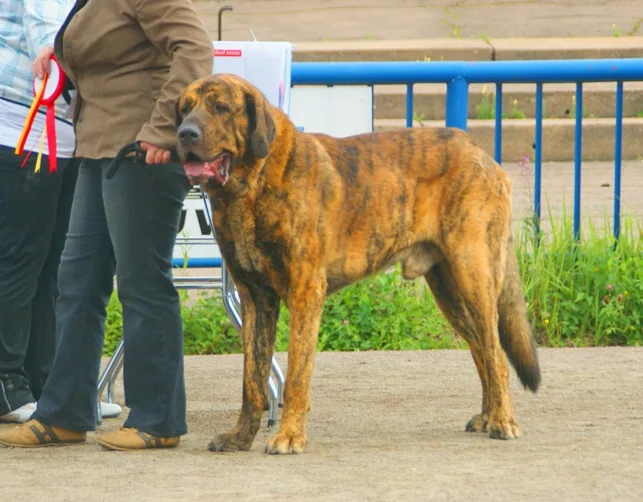
A very large dog with a heavy, powerful head, small eyes and triangular drop ears. Males stand 70 to 85 cm and weigh about 80 to 120 kg, while females are at least 65 cm and weigh about 65 to 80 kg.
The coat is most often fawn, but brindle, black and wolf colours also occur. Reddish tones are considered a sign of mixed ancestry.
Temperament
The Spanish Mastiff is aloof, dignified, calm and intelligent. It is devoted to its family and accepts strangers politely if properly socialised, but stays wary. It can be dominant toward other dogs.
Training should start early and be consistent, firm but gentle. It can get bored easily, and once it respects its handler it is an extremely loyal companion and guardian.
Care and exercise
This breed lumbers more than it gallops, so a long daily walk and a fenced area to move at its own pace are enough. It is not an ideal choice for city living, as its size and deep bark may cause problems.
Brush the coat regularly, especially in shedding season, and provide strong, safe fencing and ample space.
Health
Hip dysplasia is the main concern, and the traditional working strains are reported to have it less often than the official show type. As with other giant breeds, watch for bloat and keep weight under control.