Overview
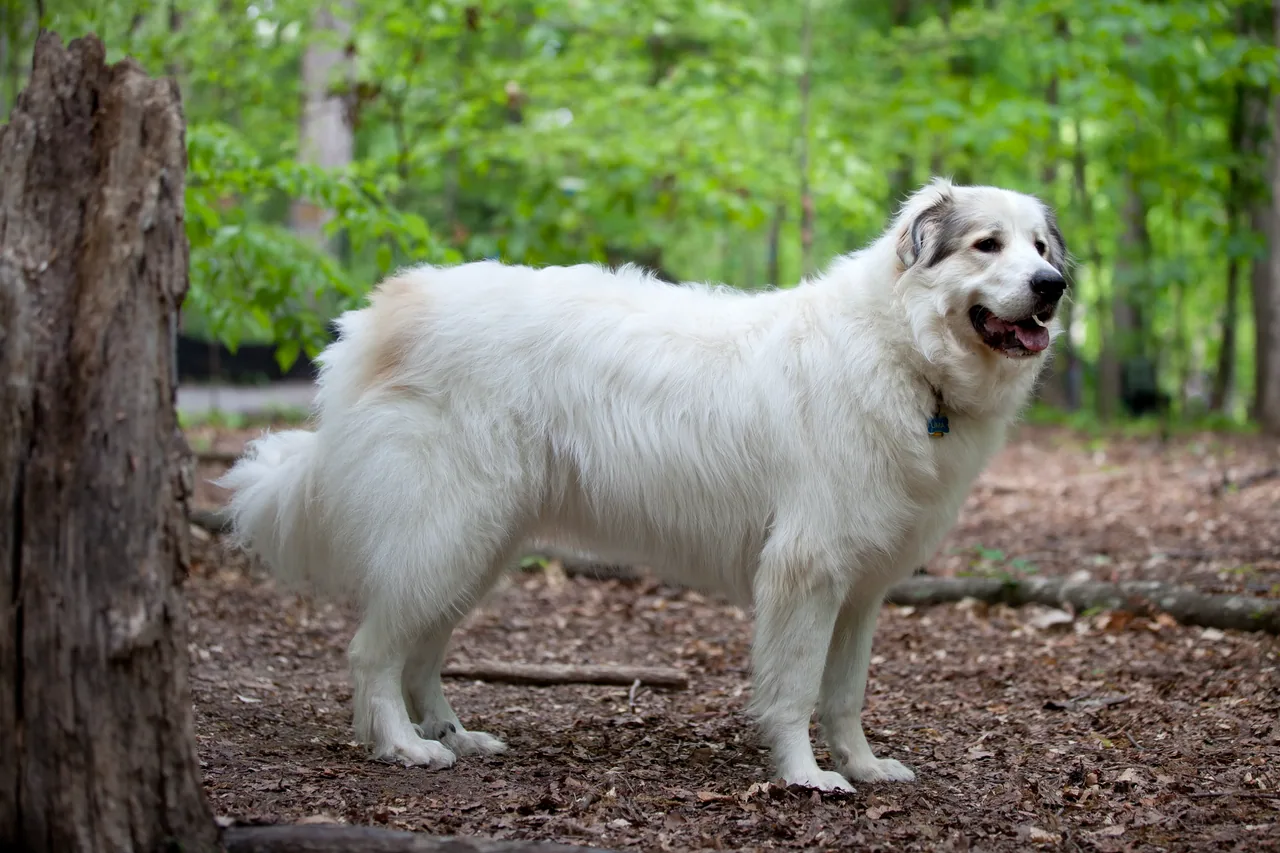
The Pyrenean Mountain Dog is a giant white guardian developed by shepherds on the French side of the Pyrenees. It is still used to protect flocks from wolves and bears in France and elsewhere.
As a family dog it is gentle and composed, but it thinks for itself and guards by instinct. It suits owners with space and experience of independent breeds.
History
For centuries shepherds in the Pyrenees kept these dogs to guard flocks, often alongside the smaller Pyrenean Sheepdog. The breed became fashionable at the court of Louis XIV in the 17th century and was used to guard noble châteaux.
When wolves vanished from the Pyrenees the breed almost disappeared by the early 20th century. Bernard Senac-Lagrange helped rescue it, founding a breed club and writing the first standard in 1923. The FCI accepted it in 1955, and the dogs went on to become popular as the Great Pyrenees in North America.
Appearance
A large, powerfully built dog with a proportionate head, small triangular ears lying flat and a long tail that curls over the back when alert. Dogs stand 70 to 80 cm and bitches 65 to 75 cm, weighing about 55 to 75 kg.
The long, thick double coat is mainly white, sometimes with patches of grey, badger or tan. Double dewclaws on the hind legs are a distinctive breed feature.
Temperament
Calm, patient and affectionate with family, this dog is also naturally protective and wary of strangers. It is known for independent judgement, which comes from its work of guarding flocks without direction from a shepherd.
It can be stubborn in training and tends to bark at night to warn of intruders. Early socialisation is important.
Care and exercise
The breed needs moderate daily exercise and a large, securely fenced space, as it may roam to patrol its territory. It prefers cool weather.
Brush a few times each week and more often during heavy shedding to prevent mats. Firm, consistent and early training is needed to manage so large a dog.
Health
Median lifespan in a 2024 UK study was about 10.9 years. Like many giant breeds, it may suffer from hip dysplasia and bloat. Good breeders screen hips and elbows.