Overview
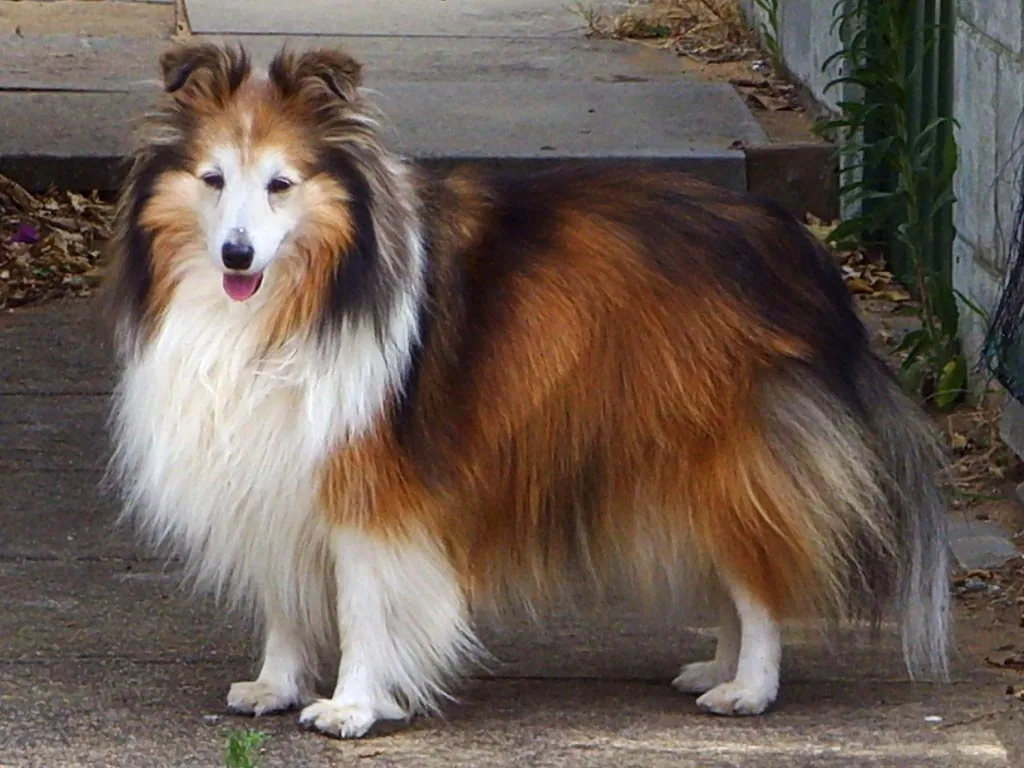
The Sheltie is a small, hardy herder developed to thrive in the harsh conditions of Scotland's Shetland Islands. It resembles a Rough Collie in miniature but has its own history.
Today it is mostly a family companion and a star of obedience, agility and herding trials, thanks to its intelligence and wish to please.
History
The original Shetland sheepdog was a small spitz-type dog, probably crossed with Icelandic dogs brought by whalers, with possible input from King Charles Spaniels and Pomeranians. Breeders later added Rough Collie blood to fix the collie-like type.
The breed was first called the Shetland Collie, which upset Rough Collie breeders, so the name changed. The Kennel Club recognised it in 1909, and the American Kennel Club registered its first Sheltie in 1911.
Appearance
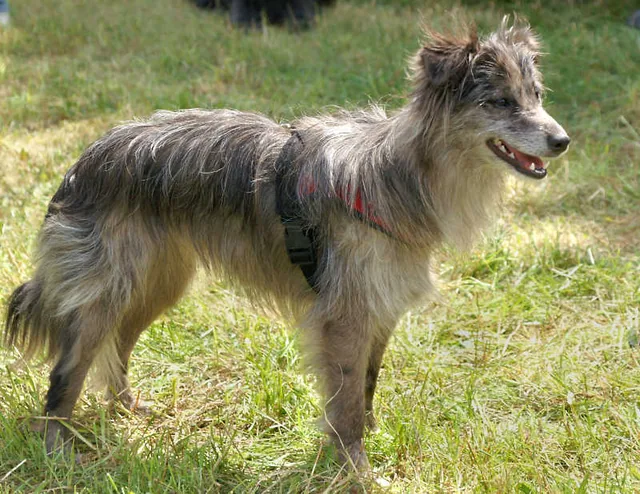
A small, double-coated dog with a long, harsh outer coat, soft undercoat, and a mane and frill around the neck. The head is a refined wedge with semi-erect ears that tip forward and almond-shaped dark eyes.
The ideal height is about 35.5 to 37 cm at the shoulder.
Temperament
SheltIes are sensitive, bright and devoted. They rank among the most trainable of all breeds and learn new commands very quickly. They are usually reserved with strangers and can be quite vocal, barking to alert or to herd.
They like being close to their people and do best when included in family life.
Care and exercise
Needs daily walks, play and mental challenges such as agility, obedience or herding. They are happy to learn and benefit from training from an early age, and from barking management.
The double coat needs thorough brushing a couple of times a week, more during heavy seasonal moults, to prevent mats behind the ears and on the legs.
Health
Predisposed to Collie eye anomaly, von Willebrand disease, hip problems at a low rate, skin conditions such as dermatomyositis, gall bladder mucocele and bladder cancer. Many carry the MDR1 mutation, which makes them sensitive to certain drugs including ivermectin, so testing is advised.