Overview
The Jämthund, or Swedish Elkhound, is a spitz-type hunting dog named after the province of Jämtland in central Sweden.
It is a true all-rounder, hunting big game in the forest and then relaxing quietly with the family.
History
Spitz-type hunting dogs have been used across Scandinavia for centuries to hunt game such as bear, elk, wolf and lynx. The Jämthund was officially recognised as a breed in 1946, thanks to the work of Aksel Lindström and others. Before that it was regarded as the same breed as the Norwegian Elkhound.
Genetic studies place it among the northern Scandinavian dogs that share a particular maternal lineage with other Sámi-related breeds.
Appearance
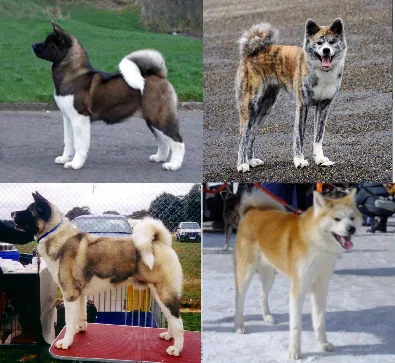
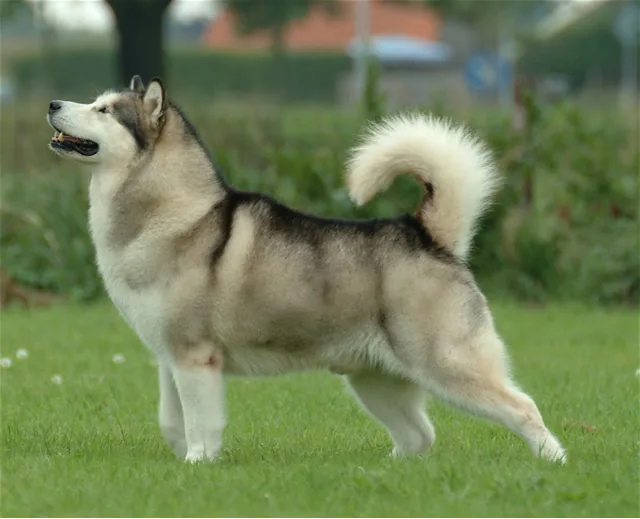
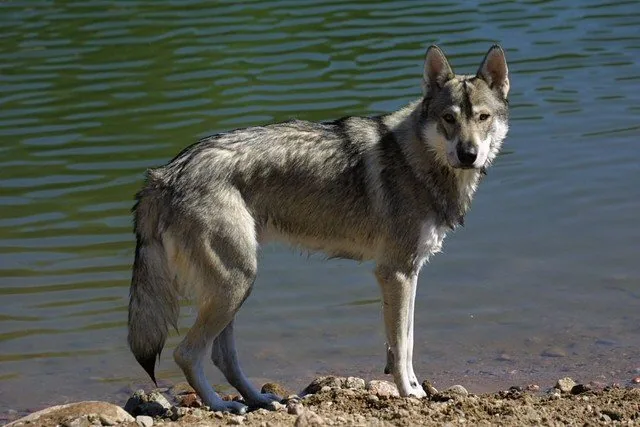
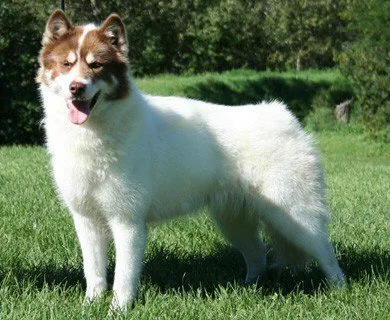
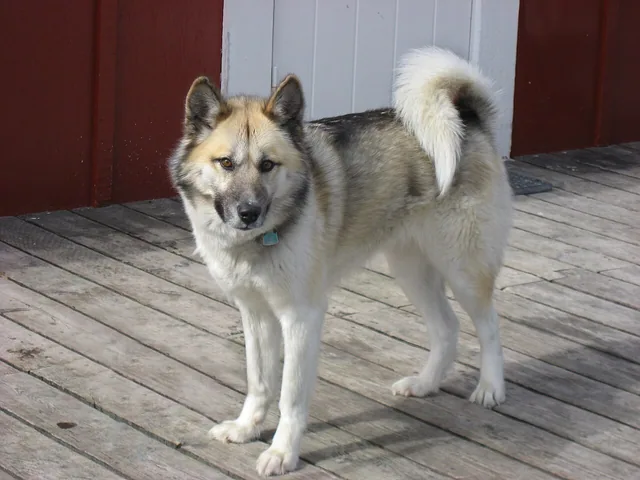
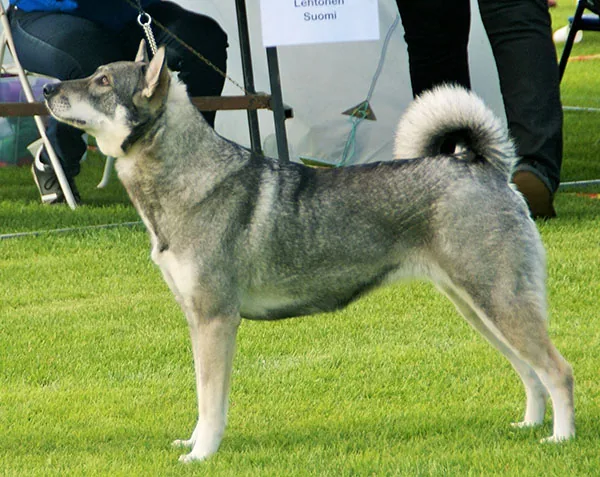
A sturdy spitz with erect ears set wide apart, a medium to long muzzle, brown eyes and a loosely curled tail carried over the back. The double coat is in agouti shades with a white muzzle, white cheeks and wolf-like markings.
Males are usually 57 to 65 cm tall and 30 to 35 kg, females 52 to 60 cm and 25 to 30 kg. It is taller and less stocky than the Norwegian Elkhound.
Temperament
Calm and affectionate with family, steady and hard to ruffle. It is a happy learner that likes to please its owner.
It has a strong prey drive and can be dominant with other dogs, so early socialisation matters.
Care and exercise
This is a working dog that needs long daily exercise and ideally a job such as hunting, tracking or hiking. Brush the thick double coat regularly, more often during heavy seasonal shedding. Secure fencing helps because of its prey drive.