Overview
The Icelandic Sheepdog is a Nordic spitz-type dog descended from dogs brought by Viking settlers in the ninth century. It is the only dog breed native to Iceland and is related to the Norwegian Buhund and Swedish Vallhund.
It was traditionally used to herd sheep and horses, and today is a cheerful, adaptable companion.
History
Archaeological and written evidence supports the breed's ancient origin. Dogs of this type were known across Europe through medieval trade and were described by John Caius in 1570 and mentioned by Shakespeare in Henry V.
Plague and distemper destroyed over 75% of the breed in the late nineteenth century, and it again neared extinction in the twentieth. The Icelandic Kennel Club formed in 1969, the FCI accepted the breed in 1972, and the AKC recognised it in 2010. In 1994 it was declared part of Iceland's cultural heritage, with roughly 5000 registered worldwide by 2022.
Appearance
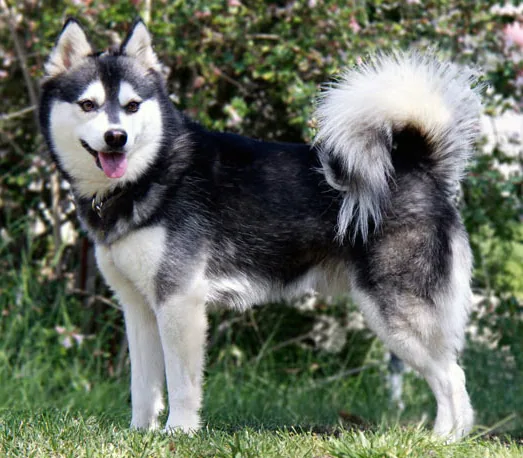
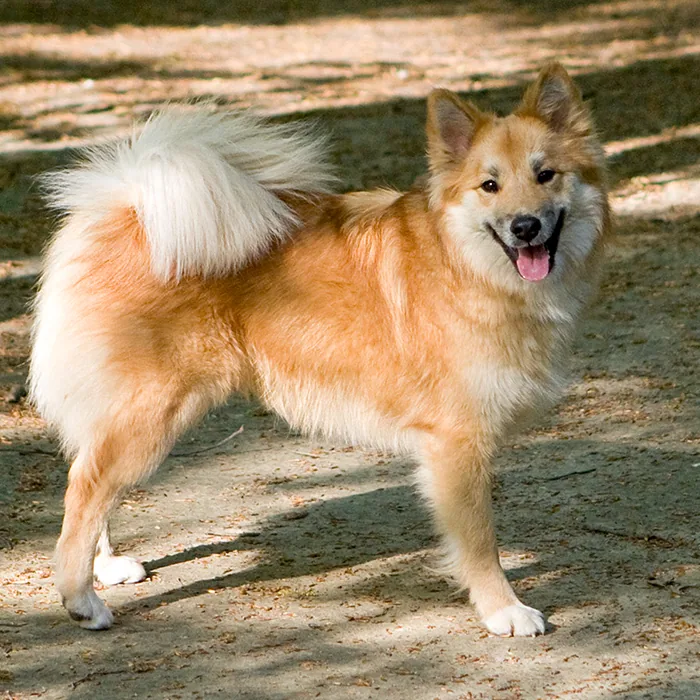
A muscular, hardy, medium-small dog that moves easily over rough terrain, about 45 cm tall in males and slightly less in females. It carries a curled tail and has prick ears typical of spitz breeds.
The coat is thick and weather-protective, in short-haired and long-haired types. Colours range from cream to reddish brown, as well as black, chocolate and grey, often with extensive white markings and sometimes a black mask.
Temperament
Icelandic Sheepdogs are friendly, outgoing and keen to be involved in everything the family does. They are alert and vocal, and quick to announce visitors with a bark.
They are smart and eager to learn, and usually good with children and other animals. They dislike being left alone for long.
Care and exercise
They need regular daily exercise and mental stimulation, enjoying walks, hiking, agility and herding. They adapt to family life if kept busy.
Brush a couple of times a week, more during heavy seasonal moults. Early training helps manage barking.
Health
Generally a robust, long-lived breed, with an expected lifespan of around twelve to fifteen years. The small gene pool means responsible breeding matters, and hip dysplasia and eye problems can occur.