Overview
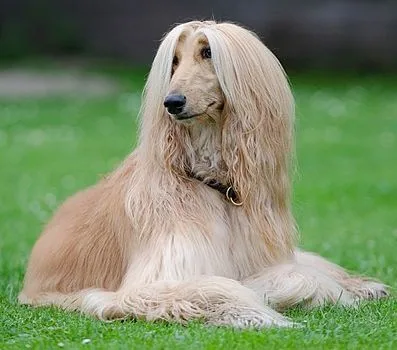
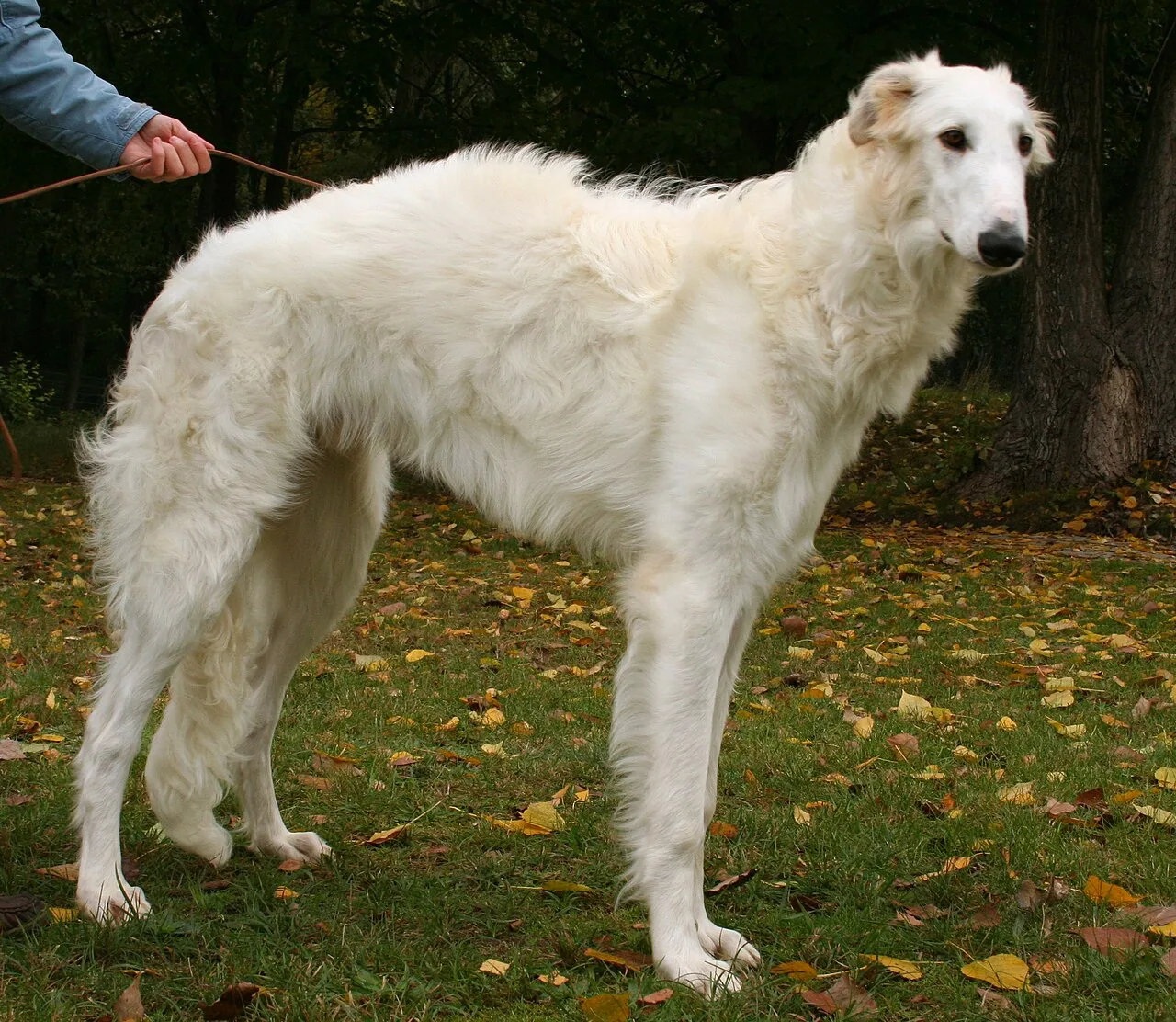
The Borzoi is a graceful Russian sighthound, once known as the Russian Wolfhound. Its long snout, deep chest and flowing silky coat give it an aristocratic look.
At home it is gentle, quiet and cat-like, but it still has a strong chase instinct and the speed to act on it.
History
The Borzoi developed in sixteenth-century Russia from Saluki-type and European sighthounds crossed with thick-coated local dogs. For centuries it was a treasure of the Tsars and nobility, often given only as a royal gift. Grand Duke Nicholas bred many at his estate at Perchino.
After the 1917 revolution the breed was linked with the old regime and nearly vanished in Russia. It survived thanks to earlier exports to the West. The FCI accepted it in 1956.
Appearance
Borzois are large, lean and long-legged, with a narrow head, long muzzle and deep chest built for speed. The silky coat is flat, wavy or slightly curly, with a frill at the neck and feathering on the hindquarters and tail.
The undercoat thickens in cold weather and is shed in the heat. Many colours and patterns are seen.
Temperament
The Borzoi is affectionate, dignified and calm indoors, often reserved with strangers. It is a selective learner that quickly tires of repetition and can be hard to motivate, though patient training works well.
Its hunting instinct is strong, so small animals running away may trigger a sudden chase.
Care and exercise
Borzois need space to sprint safely in a securely fenced area, as well as daily walks on a lead. Indoors they are happy to lounge on a soft bed. Brush the coat a few times a week, more when shedding.
Train with short, varied, positive sessions and never trust off-lead recall near traffic or wildlife.
Health
Like other deep-chested large breeds, Borzois are prone to bloat (gastric dilatation volvulus). Heart murmurs and valve changes are fairly common. As with other sighthounds, they recover more slowly from anaesthesia, so vets should be aware of this. A UK study found an average lifespan of around 12 years.