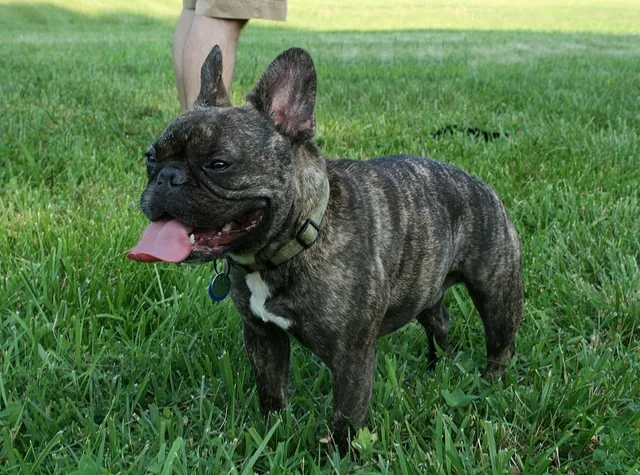
Overview
The Boston Terrier is a small, square, short-muzzled dog that was developed in the United States. Its black-and-white coat looks like formal wear, earning it the nickname the American Gentleman.
It is cheerful, people-loving and usually quiet, which makes it a popular apartment companion. Its flat face does call for care in heat and exercise.
History
The breed began around 1870 in Boston with a dog called Hooper's Judge, of bulldog and terrier lineage, bred to a white bulldog-type female named Gyp. Their descendants, once called Round-Headed Bull Terriers, were refined into the modern breed.
The Boston Terrier Club was formed in 1891 and the American Kennel Club accepted the breed in 1893. It is one of the few breeds that originated in the United States. It was once a fighting-type dog but has since become a gentle companion, and it is the official state dog of Massachusetts.
Appearance
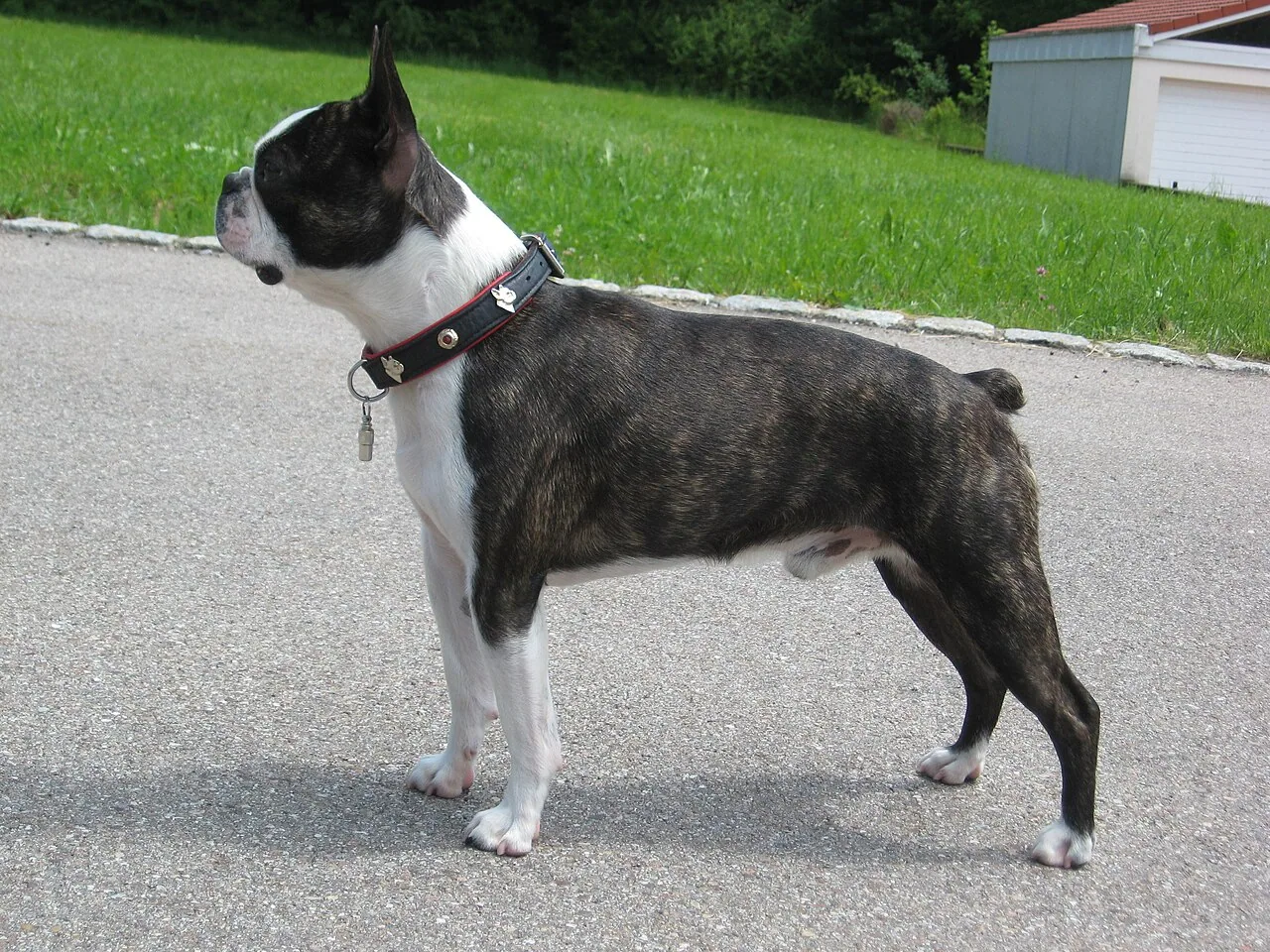
A compact, well-proportioned dog with a square head, short wrinkle-free muzzle, large wide-set round eyes, erect ears and a short tail that may be straight or corkscrewed.
The short, smooth coat is marked with white on the chest, muzzle band and between the eyes. Dogs are shown in weight classes up to about 11 kg.
Temperament
Happy-go-lucky, affectionate and eager to please, with a merry sense of humor. It enjoys being close to people and is usually good with children and other pets when well socialised.
It is protective of its owners, and some males may challenge other dogs. It barks only when needed and is easy to train.
Care and exercise
Needs moderate daily walks and play, but should be kept cool and not overexerted in warm weather because of its short airways. It is not suited to living outdoors.
The short coat needs only occasional brushing. Keep the eyes, face folds and ears clean, and use a harness rather than a collar.
Health
As a brachycephalic breed it may have breathing problems, overheating and anaesthetic risk. Cataracts, corneal ulcers, patella problems, skin allergies and difficult births needing caesarean sections are common concerns.