Overview
The Polish Greyhound, or chart polski, is a large, long-legged sighthound with a sturdier build and a rougher coat than the better-known English Greyhound, to which it is not directly related.
It is affectionate and loyal at home, yet watchful and territorial, so it tends to be more of a guardian than many other sighthounds.
History
Greyhound-type dogs appear in Polish records from the Middle Ages and in hunting literature and art from the 13th century. The breed is thought to share ancestry with the Borzoi and Hortaya Borzaya and was kept by nobles to hunt great bustards and wolves.
Breeding collapsed in Poland after World War II. Enthusiasts began a revival in the 1970s, a studbook opened in 1981, and the FCI granted provisional recognition in 1989 and full recognition in 2001.
Appearance
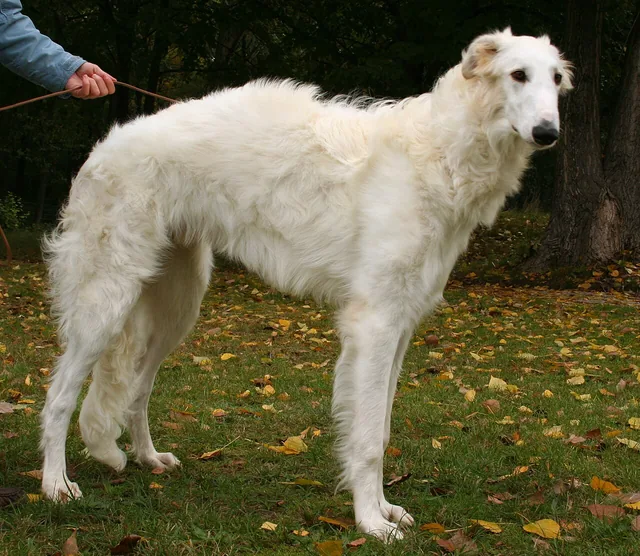
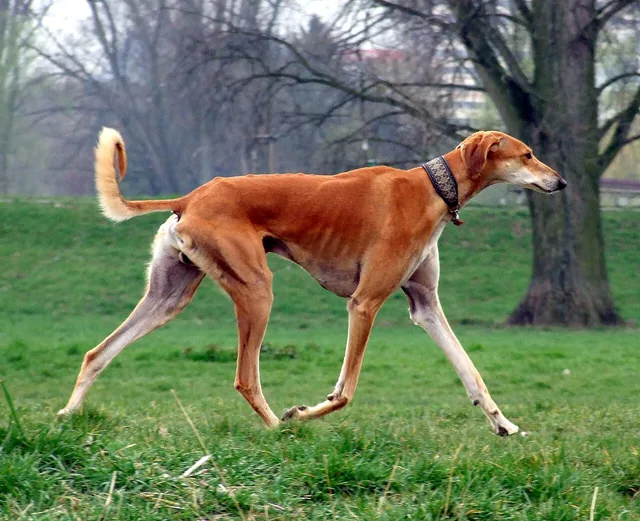
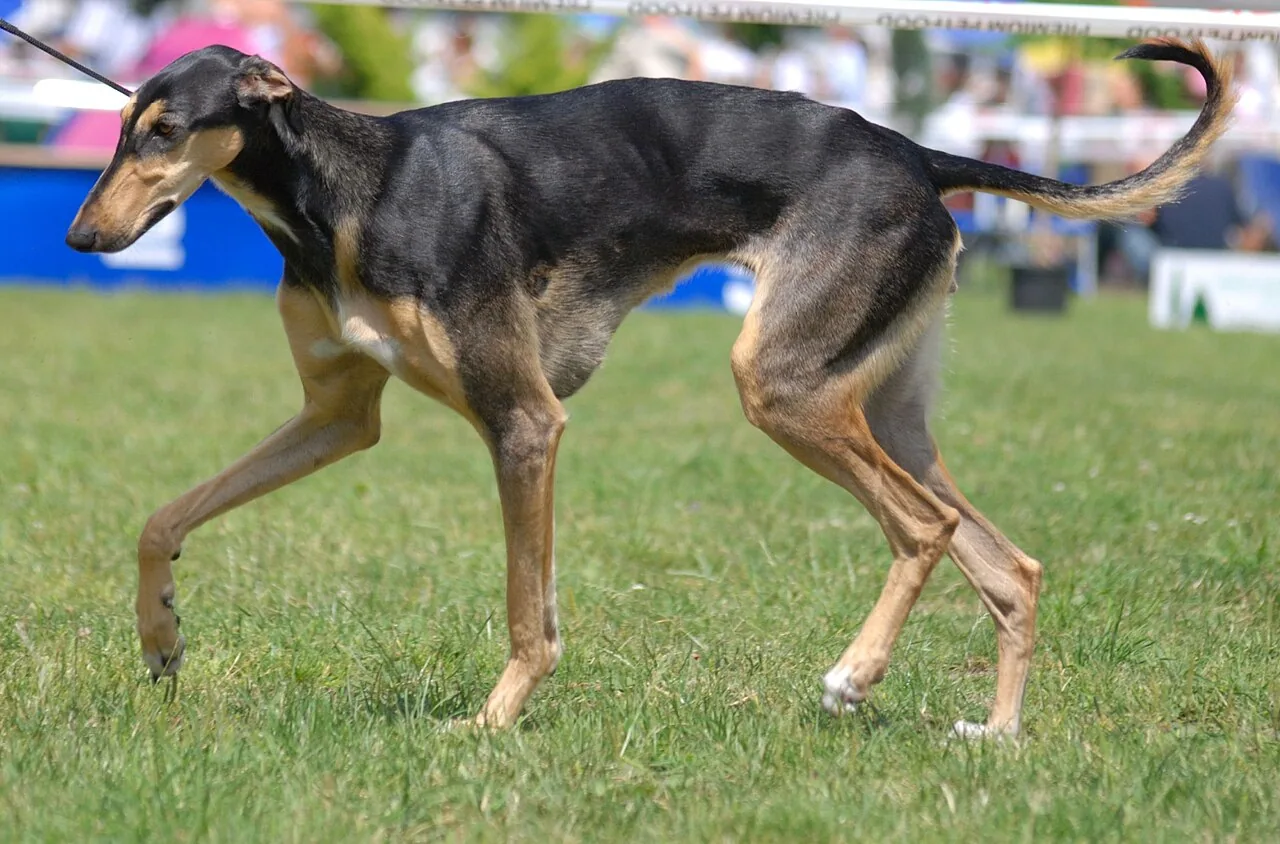
A tall, lean and muscular dog, with males standing about 70 to 80 cm and females somewhat smaller, and typical weights around 27 to 32 kg. The legs are long and the tail is sickle-shaped, curving up at the end.
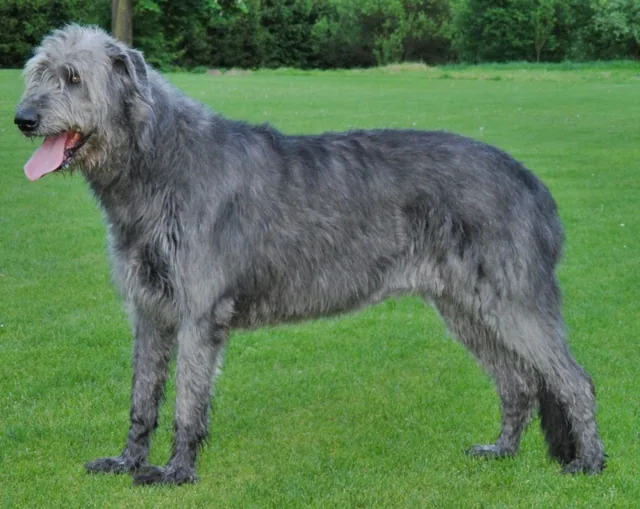
The coat is double, with a harsher outer coat and a dense undercoat that thickens in winter. Black, tan, blue and beige are common colours.
Temperament
Affectionate and bonded with its own people, the Polish Greyhound is reserved around strangers and can be protective and territorial. It is sensitive and does best with calm, fair handling.
Like all sighthounds it has a strong chase instinct, and it needs careful introductions to cats and other small pets.
Care and exercise
This breed needs daily exercise and ideally a secure area to run, as it may chase anything that moves. It is calm indoors once exercised but needs space.
Brush the coat weekly and more often in the shedding season. Provide a warm, comfortable bed, and keep it on lead in unsecured areas.
Health
Generally hardy. As a deep-chested dog it may be at risk of bloat, and sighthounds are sensitive to some anaesthetics.