Overview
The Pembroke Welsh Corgi is a small but sturdy herding dog from Pembrokeshire in Wales. Its low build let it nip at the heels of cattle and dodge kicks, and it remains a quick, agile and surprisingly athletic dog.
It is bright, eager and devoted to its family. Corgis suit active households that enjoy training and can cope with a vocal, opinionated companion.
History
The breed is usually traced to Flemish settlers who came to Pembrokeshire after the Norman conquest and brought spitz-type dogs with them. These were crossed with local dogs and used to drive cattle across Welsh farmland.
Pembrokes and Cardigans were first shown together in 1925, were recognised by the Kennel Club in 1928, and were officially separated into two breeds in 1934. Royal ownership brought worldwide fame, though numbers in Britain later fell enough for the breed to appear on the Kennel Club's vulnerable native breeds list.
Appearance
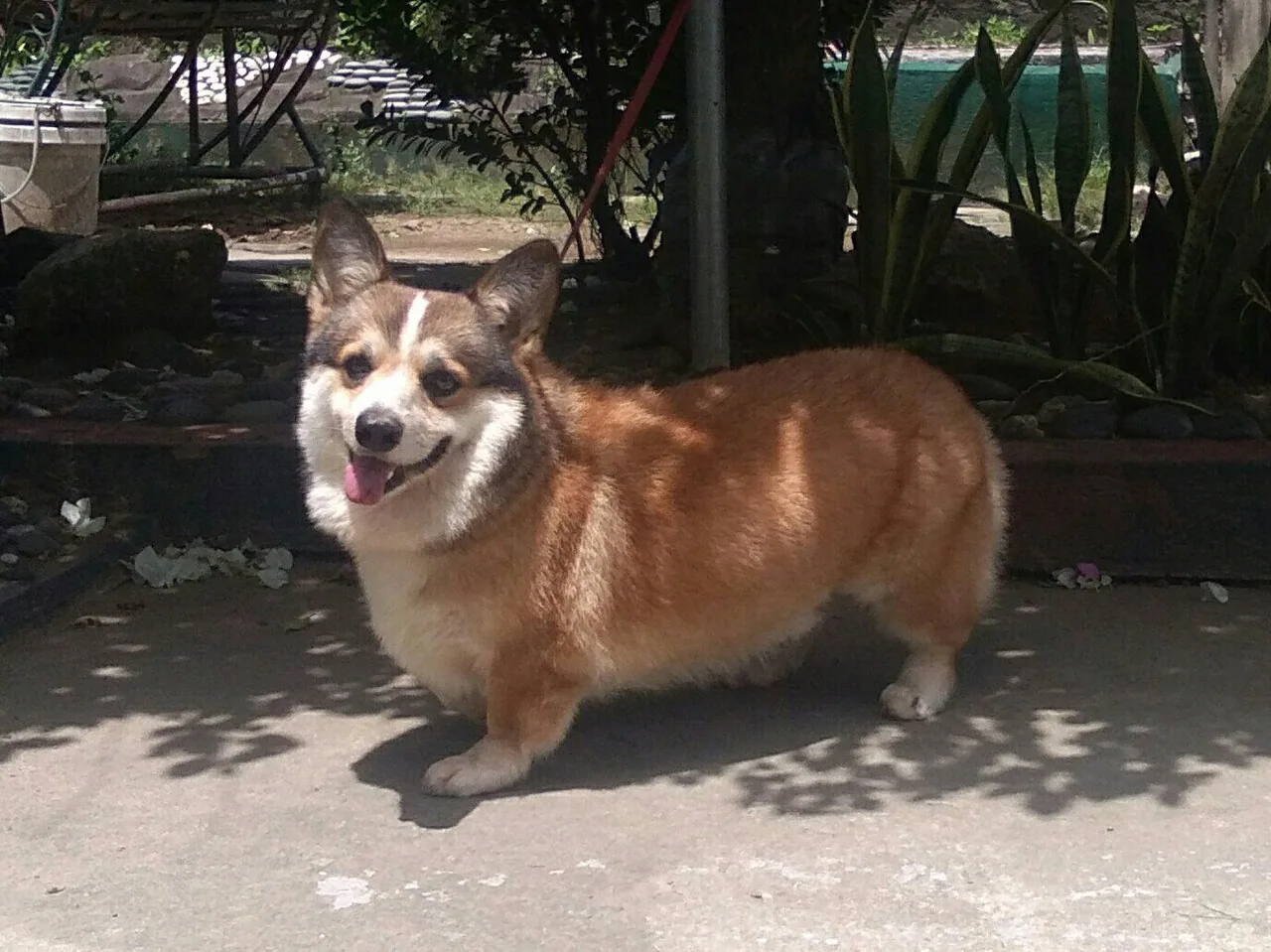
The Pembroke is a low-set, strongly built dog with a long body, a fox-like head and large, upright ears. It stands about 25 to 30 cm tall and weighs around 10 to 12 kg.
The weather-resistant double coat comes in red, sable, fawn, or black and tan, often with white on the chest, legs and neck. Many Pembrokes are born with a naturally short tail or have it docked where permitted; others keep a full tail.
Temperament
Pembrokes are lively, affectionate and keen to be part of everything the family does. They are clever and eager to please, yet can be independent and stubborn if training is dull.
Their herding instincts mean they may chase moving things and nip at heels, and they are quick to bark at anything unusual. Early socialisation and steady training help them become well-mannered companions with children and other pets.
Care and exercise
Despite short legs, corgis need a good amount of daily exercise and mental stimulation, such as walks, games, agility or herding activities. A securely fenced yard is wise because of their urge to chase.
The thick coat sheds heavily all year, with peaks in spring and autumn, and benefits from brushing a few times a week. Careful feeding is important because the breed gains weight easily, which strains the long back.
Health
Pembrokes are fairly long-lived, with studies suggesting a typical lifespan of about 13 years. Their build makes them prone to back problems and obesity. Other concerns include hip dysplasia, degenerative myelopathy, von Willebrand's disease and inherited eye disease. Genetic testing is available.