Overview
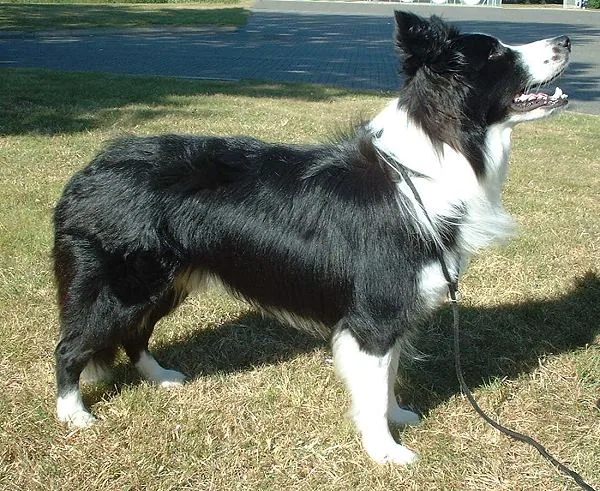
The Border Collie is a medium-sized herding dog that comes from the Anglo-Scottish border country. It is a star of sheepdog trials and a top performer in agility, obedience and other dog sports.
Its intelligence and drive are extraordinary, and so are its needs. It is best suited to active owners who can offer work, training and plenty of exercise every day.
History
The breed descends from traditional collie-type sheepdogs found across the British Isles. Most living Border Collies trace their line back to Old Hemp, a tricolour dog born in Northumberland in 1893, whose quiet, powerful style of working sheep became the model for the breed.
In 1915 the International Sheep Dog Society began using the name Border Collie for its registered working dogs. The breed later spread to New Zealand and Australia, where it also helped create the New Zealand Heading Dog.
Appearance
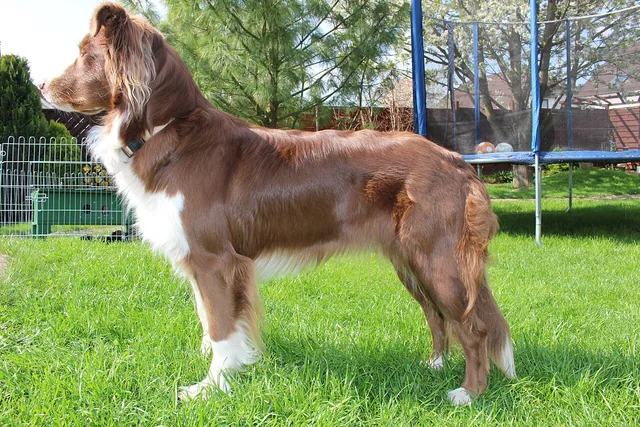
A balanced, athletic dog of medium size, males standing about 48 to 56 cm and females 46 to 53 cm at the withers. The expression is keen and intelligent, with eyes ranging from brown to green, and ears that may be erect, semi-erect or dropped.
The double coat can be smooth or rough. Black and white is most common, but almost every colour and pattern occurs.
Temperament
Eager, focused and highly trainable, the Border Collie learns new things very quickly and bonds closely with its handler. It is sensitive and responsive, and often shows the intense stare, or eye, used to control sheep.
Without enough activity it can become anxious or invent its own games, such as chasing cars or herding children.
Care and exercise
Plan for at least one to two hours of exercise daily, plus mental tasks like training, puzzle games or dog sports. It is not a dog for a quiet life in a flat with few outings.
Brush a couple of times a week and more during heavy seasonal shedding. Socialise early, and teach calm behaviour as well as work.
Health
Collie eye anomaly, hereditary hearing loss, and trapped neutrophil syndrome are known in the breed, along with neuronal ceroid lipofuscinosis in some show lines. DNA tests exist for several of these. Hip dysplasia and epilepsy also occur.