Overview
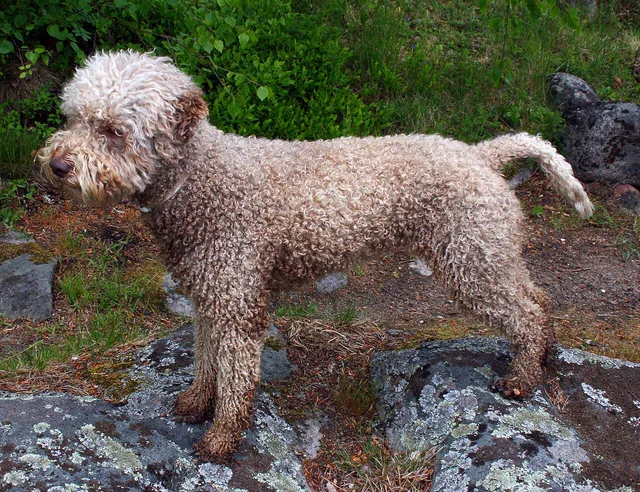
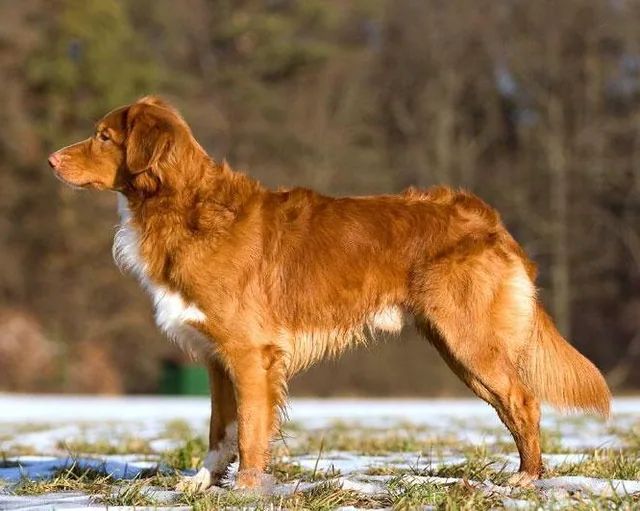
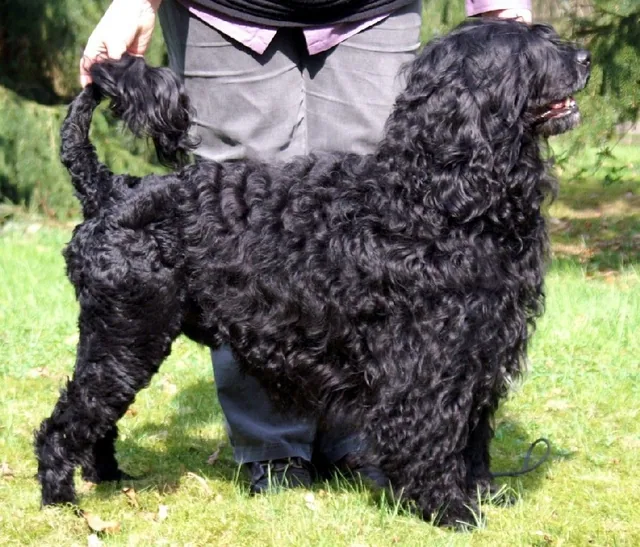
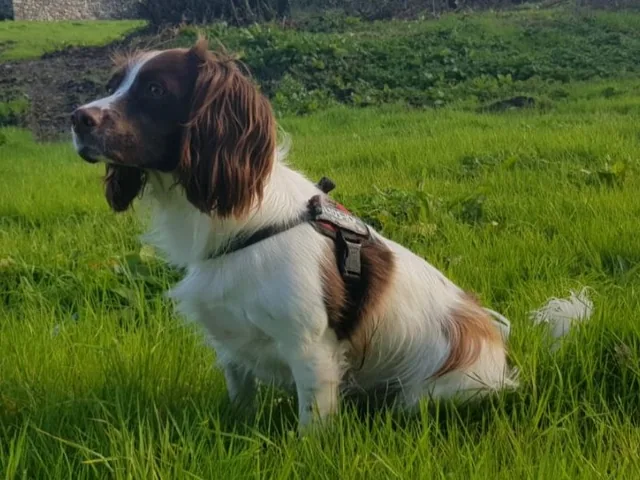
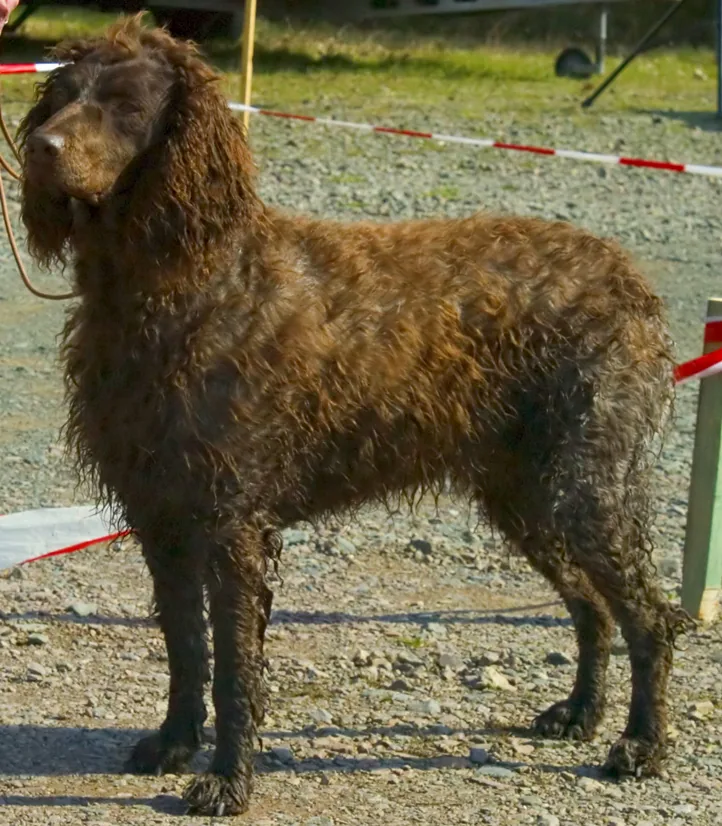
The Pont-Audemer Spaniel is a rare French gundog, developed in the nineteenth century for hunting in wet and marshy country. It is a medium-sized, curly-coated dog with a long, pointed muzzle and a distinctive topknot.
It is still mostly found as a working hunting companion rather than a family pet. Those who know it describe a cheerful, gentle and eager dog, quick to learn and happiest when it has a job to do.
History
The breed is said to come from the Pont-Audemer area of Normandy, France, in the nineteenth century. Its exact origins are unclear, but English and Irish water spaniels are thought to have contributed to it. Outside France it was often seen as more of a setter than a typical spaniel.
Numbers were never large, and after the Second World War so few remained that outcrossing, including to the Irish Water Spaniel, was allowed to avoid inbreeding. In 1980 its breed club was merged with that of the Picardy Spaniel.
Appearance
A medium-sized dog, about 50 to 58 cm at the withers and 20 to 27 kg. The coat is curly or at least wavy on the body, but smooth and short on the face, and a topknot takes up to five years to develop fully. The muzzle is longer and more pointed than in most sporting spaniels.
The tail is often docked. When left natural it may be feathered like a setter's or smooth like the rat tail of an Irish Water Spaniel.
Temperament
Hardy and hard-working, yet gentle, affectionate and fun-loving. French hunters call it the little clown of the marshes. Like many spaniels, it is eager to please and easy to train.
It is a true water dog at heart and enjoys swimming and wet, rough ground. It thrives on activity and close contact with its people.
Care and exercise
This is an active hunting dog that needs plenty of daily exercise and a job or varied activity, ideally including swimming. Regular brushing keeps the curly coat free of tangles, and the ears should be checked and dried after water work.
Early socialisation and gentle, reward-based training suit its sensitive and willing nature.
Health
Hair loss (alopecia) affecting mainly the ears and nose has been reported, first appearing between about seven and eighteen months of age. Investigations did not find a hormonal cause. The small gene pool is a general concern for the breed.