Overview
The English Springer Spaniel is a classic British gun dog, built to flush birds from cover and bring them back. It is a balanced, compact dog with a gentle expression and a feathered coat.
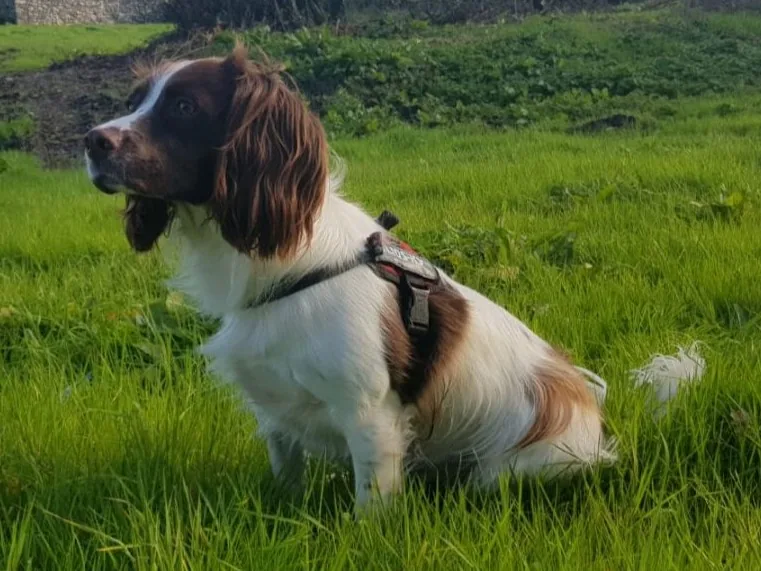
Today it is also a family companion and a prized detection dog, used to sniff out explosives, drugs and more. It does best in an active home that gives it a job to do.
History
Springers descend from the Norfolk and Shropshire spaniels of the mid-nineteenth century. Cockers and springers were once born in the same litters: the smaller ones hunted woodcock and the larger ones sprang game into the air.
The Kennel Club recognised the breed in 1902, and the American Kennel Club followed in 1910. Since then the show and field lines have been bred almost separately for some seventy years.
Appearance
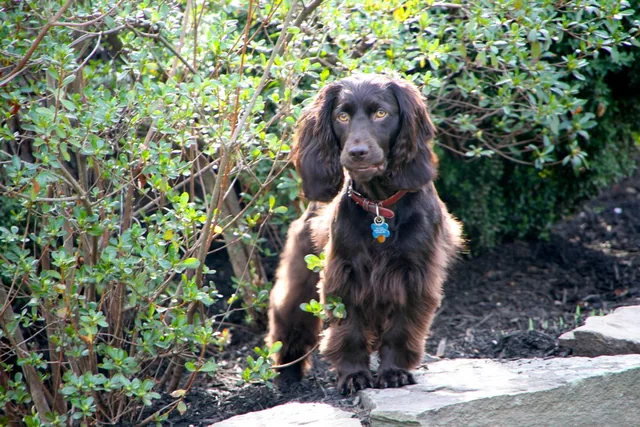
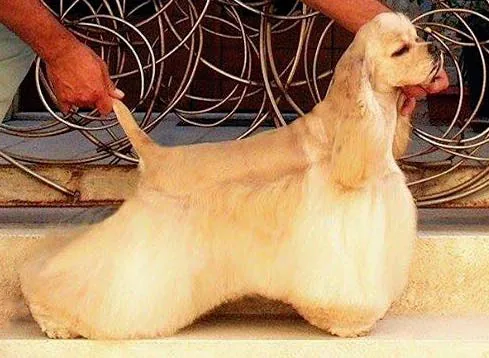
A medium, compact, well-balanced dog with a moderately long coat and feathering on legs and tail. Show dogs are heavier, with longer fur, more pendant ears and fuller flews. Field dogs are lighter, wirier and shorter-coated.
Males stand about 48 to 53 cm and females 46 to 51 cm. Colours include liver or black with white, blue or liver roan, and tricolour with tan points.
Temperament
Eager, friendly and keen to please, the Springer is happiest with people and with a task. Working lines in particular have enormous drive and stamina.
They are generally good with children and other pets, but can become anxious or destructive if left alone or under-exercised.
Care and exercise
Springers need plenty of daily exercise and mental work, such as retrieving, scent games or dog sports. The coat of show dogs needs regular brushing and ear care, as the pendant ears are prone to trouble.
They usually shed mostly in spring and summer.
Health
Studies place life expectancy at around 12 to 13 years. The breed is predisposed to hip dysplasia, ear infections, certain skin conditions and chronic hepatitis, which tends to be more severe and affects younger dogs, especially females. Cancer is a common cause of death.