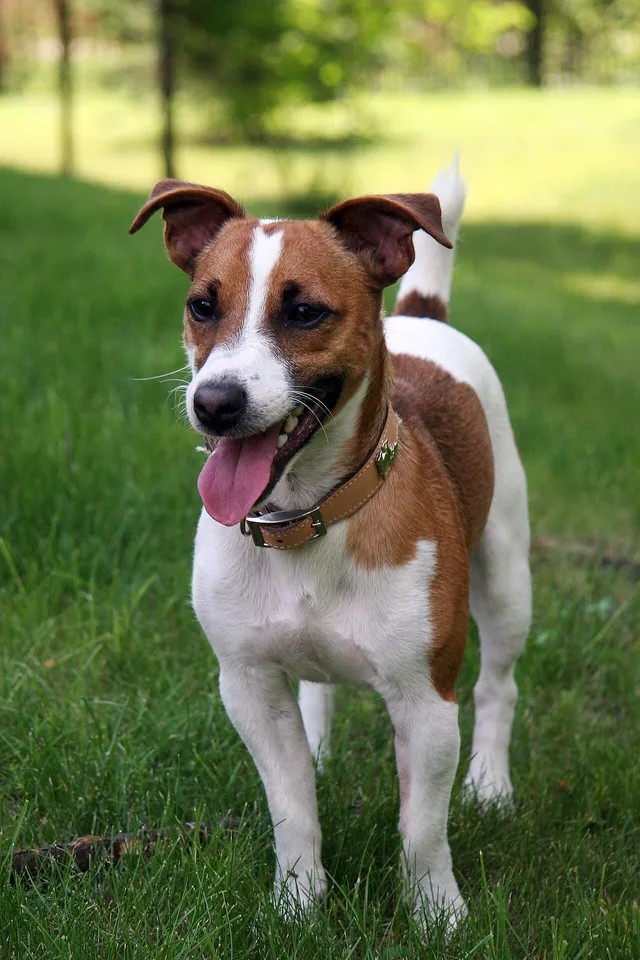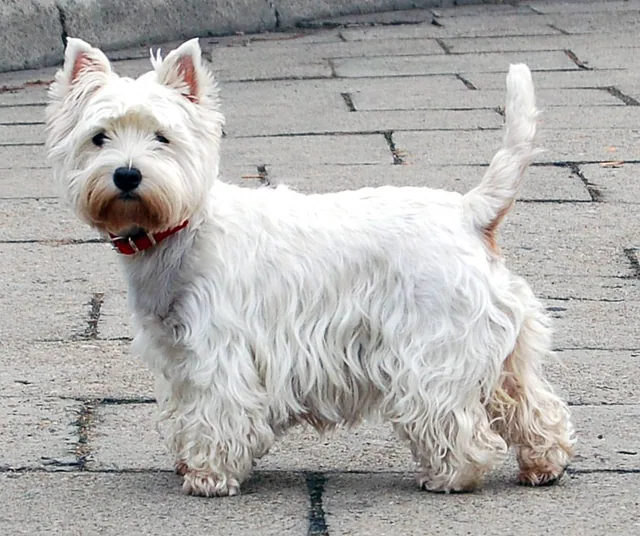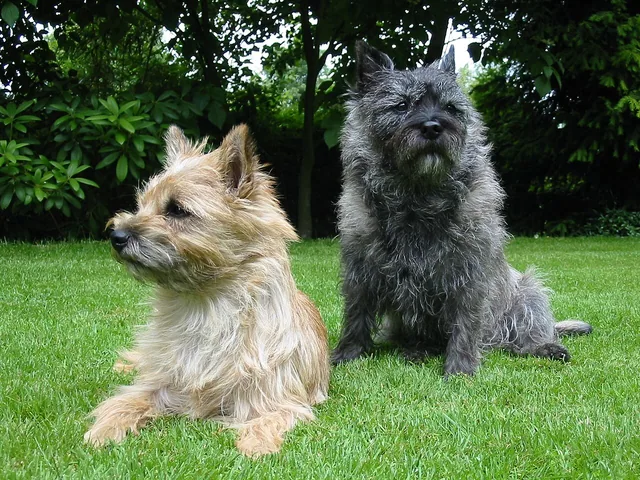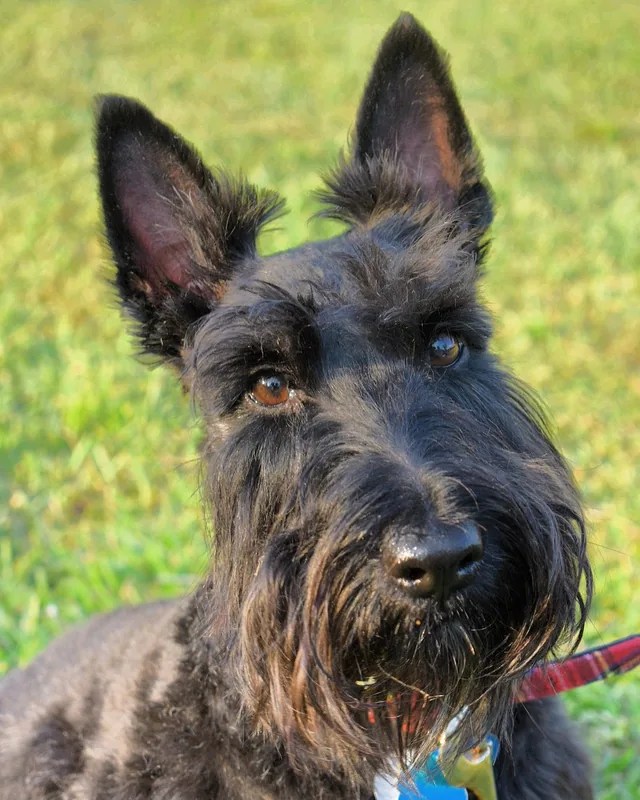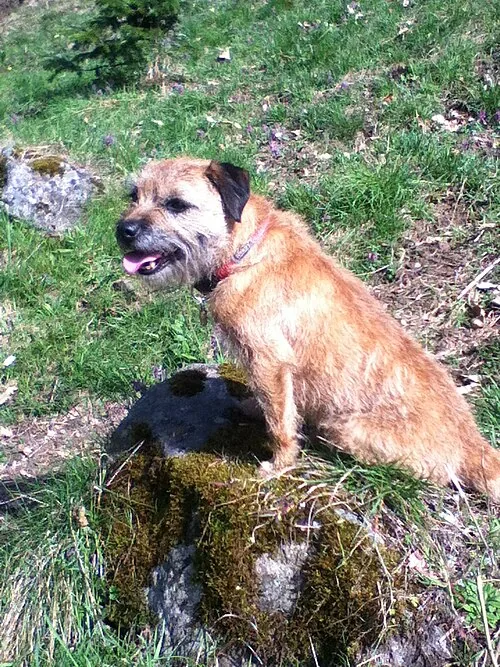
Overview
The Norfolk Terrier is among the smallest of the working terriers, a sturdy, compact dog from East Anglia. Until 1964 it was treated as a drop-eared variety of the Norwich Terrier, and it is now recognised as a breed in its own right.
Despite its fearless hunting heritage, it is cheerful, people-loving and easy to live with. It suits active households that want a small, robust companion with plenty of character.
History
The breed was developed in the 1880s in East Anglia, where sportsmen crossed local terrier types with small Irish terriers and the little red ratters kept by Norfolk Romani families. Early on these dogs were popular with Cambridge students and were known as Cantab or Trumpington Terriers.
Before the First World War, many were sold to America under the name Jones Terrier. The Norwich was accepted by The Kennel Club in 1932, and in 1964 the drop-eared dogs were separated and named Norfolk Terriers. American and Canadian clubs followed in 1979.
Appearance
A small, compact and sturdy dog with good bone and a free, springy movement. Adults stand about 23 to 25 cm tall and weigh roughly 5 kg. The folded, drop ears and bright dark eyes give a keen, sweet expression.
The harsh, wiry coat lies close to the body and forms a slight ruff around the neck. It comes in shades of red, wheaten, black and tan, or grizzle.
Temperament
Norfolks are bold and confident yet among the softest-natured of all terriers. They bond closely with their people, enjoy children and usually get along well with other dogs, having been worked in packs.
They have a strong instinct to chase small animals and will sound the alarm when needed, though they are not noisy dogs. They dislike being left alone and do not thrive living outdoors.
Care and exercise
Daily walks and play are enough to keep a Norfolk happy, and its activity level tends to match that of the household. Keep it on a lead or in a secure area, since the urge to chase vermin is strong, and give it company to prevent boredom digging.
The wiry coat should be combed weekly and hand-stripped about twice a year. Clipping spoils its colour and texture. Bathe only when dirty.
Health
Known concerns include mitral valve disease, luxating patellas, bite irregularities and shallow hip sockets, so hip screening of breeding stock is sensible. A 2024 UK study put average life expectancy at about 13.5 years.